

Red-breasted Flycatcher returns to Hyderabad’s Ameenpur lake
Red-breasted Flycatcher returns to Hyderabad’s Ameenpur Lake for 2026, delighting birders and spotlighting conservation concerns amid urban growth.
Red-breasted Flycatcher returns to Hyderabad’s Ameenpur lake
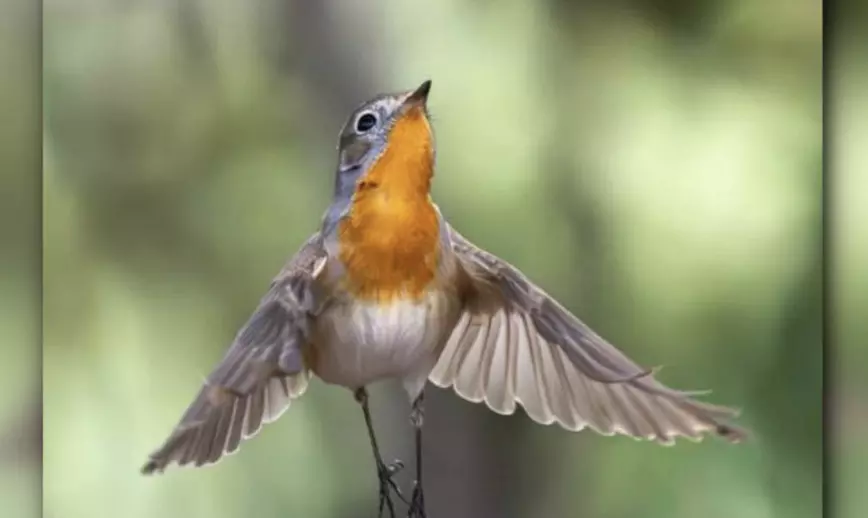
The migratory Red-breasted Flycatcher has returned to Ameenpur Lake in Hyderabad for the 2026 season, offering joy to birdwatchers and renewing debate over conservation amid rapid urban development.
Hyderabad’s Ameenpur Lake has once again welcomed a special winter visitor — the Red-breasted Flycatcher, a small migratory bird that travels thousands of kilometres from the forests of Europe. Its reappearance for the 2026 season has delighted the city’s birdwatching community, even as concerns grow over the changing ecological character of the urban wetland.
The diminutive flycatcher, known for its subtle plumage and distinctive reddish throat patch in breeding males, was recently spotted and photographed by avid birder Syam Sundar Potturi. For local wildlife enthusiasts, the sighting marks both celebration and reflection.
“The Red-breasted Flycatcher, a migratory marvel from the distant forests of Europe, has officially returned for the 2026 season—defying the rapid urban transformation of its winter home,” Syam Sundar said.
A fragile balance
Last year, the bird had become something of a sensation among Hyderabad’s birding circles. Its return this March is being viewed as a reminder of the delicate balance between urban development and habitat preservation.
According to birders, conservation efforts under local authorities have offered renewed protection to several city water bodies, helping to curb encroachments that once threatened to engulf key habitats. However, many observers caution that improvements focused on public access — such as walking paths, reinforced bunds and seating areas — may inadvertently disrupt the undisturbed canopy and native vegetation essential for migratory species.
“Yes, it is pure joy to see this flycatcher at Ameenpur Lake, but it also reflects the decline of the vibrant ecosystem that existed five years ago,” Syam Sundar noted.
A changing wetland
Ameenpur Lake, once home to flocks of Greater Flamingo, has witnessed shifts in bird movement patterns in recent years, with some species increasingly avoiding the site. Environmentalists say urban pressure, habitat fragmentation and increased human activity are key factors affecting avian diversity.
The Red-breasted Flycatcher’s continued visits are therefore seen as both hopeful and precarious. Unlike larger water birds, the flycatcher depends heavily on tree cover and undisturbed foliage rather than open water expanses.
“This little miracle doesn’t need a paved path. It needs the specific, undisturbed canopy of the few remaining local trees,” Syam Sundar emphasised, highlighting the importance of preserving natural vegetation over cosmetic infrastructure upgrades.
A silent plea for conservation
For many birdwatchers, the flycatcher’s presence symbolises a broader environmental message. True conservation, they argue, lies not in construction but in restraint — protecting what remains rather than replacing it with human-centric amenities.
The return of the Red-breasted Flycatcher serves as a living testament to the resilience of migratory species. Yet it also raises an important question: how much “wild” space is Hyderabad willing to preserve as urbanisation accelerates?
For now, the European traveller has found its seasonal refuge once more. Whether Ameenpur Lake continues to remain a second home in the years ahead may depend on the choices made today in balancing development with ecological stewardship.





