

PM Modi, Trump discuss Strait of Hormuz amid rising middle east tensions
Modi and Trump discuss Strait of Hormuz security amid Middle East tensions, stressing global energy stability and need for de-escalation.
PM Modi, Trump discuss Strait of Hormuz amid rising middle east tensions
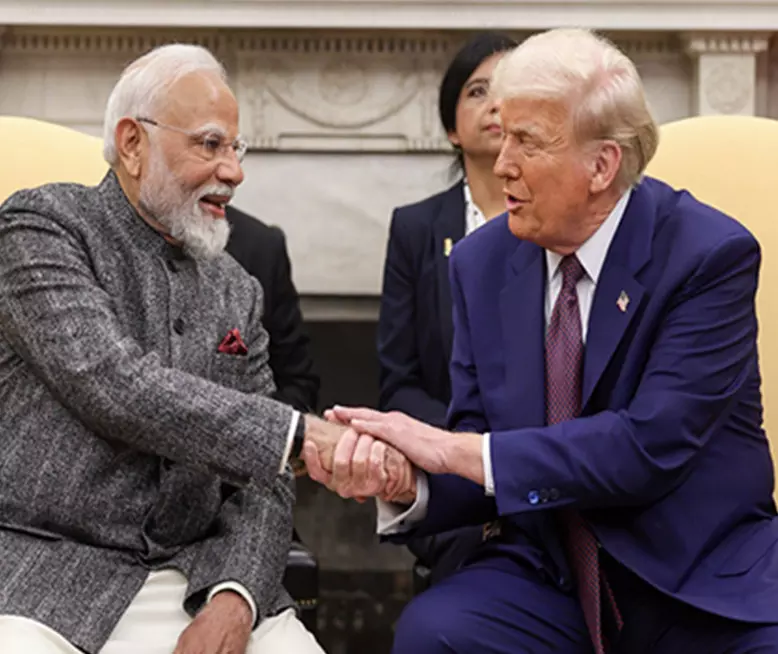
India’s Prime Minister Narendra Modi and US President Donald Trump held a crucial phone conversation addressing escalating tensions in the Middle East, with a strong focus on ensuring the security of the strategically vital Strait of Hormuz.
In a significant diplomatic engagement, Narendra Modi and Donald Trump discussed the rapidly evolving situation in the Middle East, including growing concerns over the safety and accessibility of the Strait of Hormuz.
The conversation, confirmed through separate posts on X by both leaders and US envoy to India Sergio Gor, marks their first known interaction since the United States and Israel launched coordinated strikes on Iran on February 28.
During the call, Prime Minister Modi reiterated India’s position advocating de-escalation and an early restoration of peace in the region. He emphasized that keeping the Strait of Hormuz “open, secure and accessible” is critical not just for regional stability but for the global economy.
The strategic waterway plays a vital role in global energy logistics and is particularly significant for India, accounting for nearly 40% of the country’s crude oil imports. Any disruption in this corridor could have far-reaching consequences for energy markets and supply chains worldwide.
Addressing Parliament earlier, Modi acknowledged that the ongoing conflict has already impacted key sectors such as air travel, maritime shipping, and gas supplies. However, he reassured that India remains well-prepared to handle potential disruptions, citing sufficient reserves of petroleum, fertilisers, and coal.
The discussion underscores growing international concern over the conflict’s potential to disrupt global trade routes and energy security, with both nations highlighting the urgency of maintaining stability in one of the world’s most critical maritime passages.





