

Egyptian writings finds 'Bible Giants' were real
Ancient Egyptian Papyrus Anastasi I revives debate on biblical giants, but historians say links to Nephilim remain speculative and lack archaeological proof.
Ancient Egyptian Papyrus Sparks Debate Over Biblical ‘Giants’ Theory
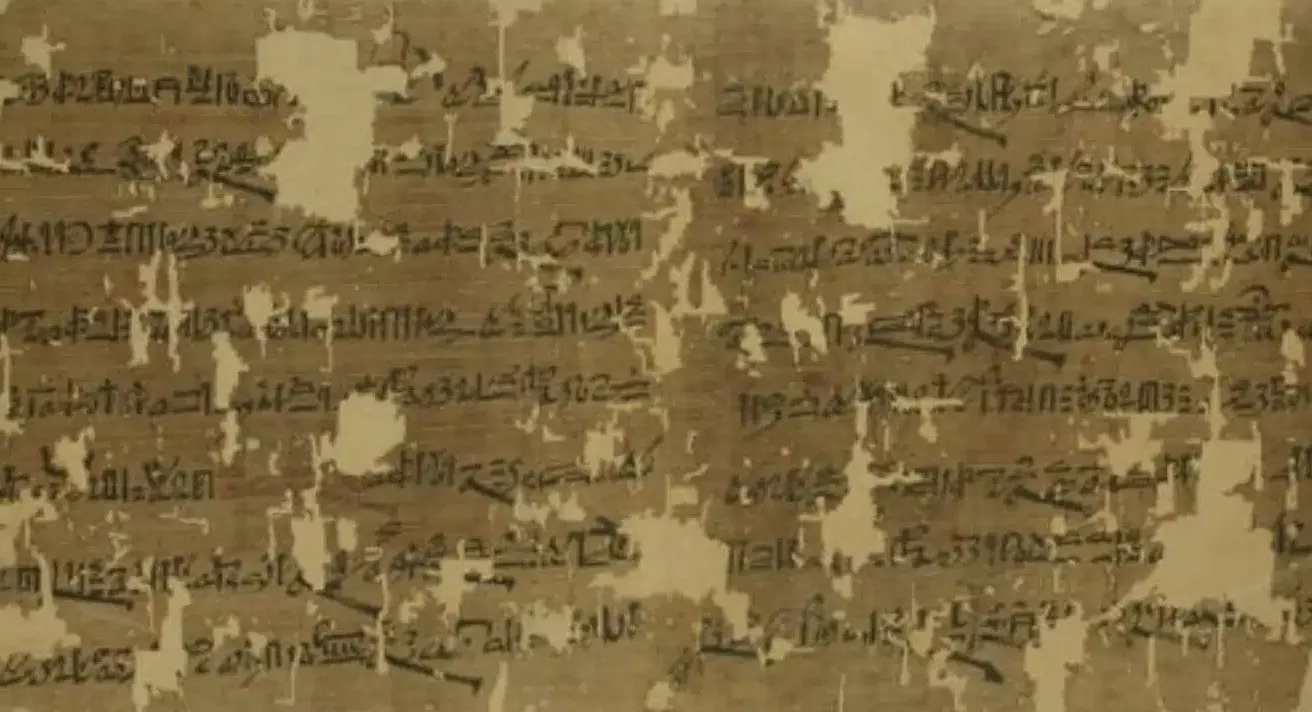
A 3,300-year-old Egyptian text known as Papyrus Anastasi I is drawing renewed attention after some researchers suggested its descriptions of unusually tall people may echo biblical accounts of giants. While the claims have stirred public curiosity, mainstream historians urge caution, noting the connection remains speculative and unsupported by physical evidence.
A 3,300-year-old Egyptian scroll may hold clues to the existence of biblical giants. Historians and researchers are taking a fresh look.#AncientEgypt #BiblicalGiants #History #Archaeology #Nephilim #BritishMuseum #OldTestament pic.twitter.com/6H8keH3bYI
— Tom Marvolo Riddle (@tom_riddle2025) February 2, 2026
Papyrus Anastasi I, an Egyptian document dating to the 13th century BC and preserved at the British Museum, has become the focus of fresh debate. The scroll reportedly mentions encounters with a group known as the Shosu, described as fierce and unusually tall individuals.
Some interpretations suggest certain members of this group were recorded as standing four to five cubits in height—estimated by proponents to be around eight feet. The text also characterizes them as aggressive and unwilling to negotiate, contributing to an image of imposing figures.
Link to Biblical Narratives
Researchers from Associates for Biblical Research, a U.S.-based religious organization, have explored parallels between these descriptions and biblical references to giant-like beings.
In the Book of Genesis (6:1–4), the Nephilim are described as powerful figures associated with violence before the biblical flood. Later, Numbers 13:33 recounts Israelite scouts reporting that they felt “like grasshoppers” compared to the sons of Anak, traditionally interpreted by some as descendants of giants.
Supporters of the theory suggest the Shosu references could align with these biblical traditions, though such interpretations remain debated.
Scholarly Skepticism
Despite growing public interest, most historians and archaeologists remain cautious. Papyrus Anastasi I has been part of the British Museum’s collection since 1839, but its references are widely understood within the context of ancient military and geographic reporting, which often used exaggeration or symbolic language.
Experts stress that no confirmed archaeological evidence has been found to prove the historical existence of giants as described in biblical or mythological sources.
Similar Claims Elsewhere
Stories of giant human remains have surfaced in other regions, including reports from Nevada of tall, red-haired skeletons. However, these accounts remain unverified and are often regarded as folklore or misinterpretations rather than scientific findings.
Ongoing Debate
The renewed attention around Papyrus Anastasi I highlights the enduring fascination with links between ancient texts and religious traditions. While intriguing, the theory connecting Egyptian records to biblical giants continues to sit at the intersection of faith-based interpretation, historical analysis, and speculation.





