

Digital platforms push India’s PR industry into a new phase of communication
Digital platforms push India’s PR industry into a new phase of communication
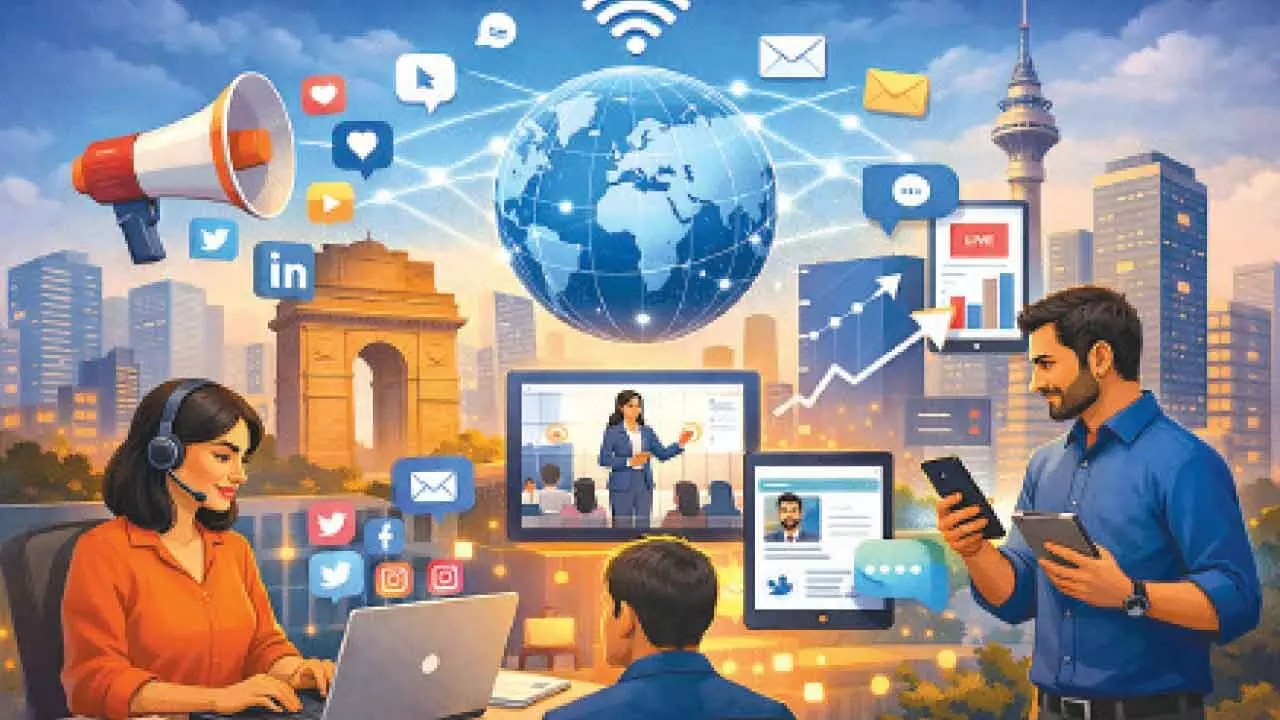
Public Relations in India has undergone a fundamental transformation. Once dominated by press releases, media briefings, and carefully managed interviews, PR now operates in an environment where conversations unfold in real time across digital platforms.
The shift from newsroom-driven narratives to social-first storytelling has compelled brands to rethink not just how they communicate, but also who communicates on their behalf.
The rise of social media has democratised influence. Consumers no longer rely solely on mainstream media for information; they turn to Instagram creators, YouTube reviewers, LinkedIn thought leaders, and regional-language influencers for opinions they trust. In this environment, the lines between influencer marketing and public relations are rapidly blurring.
Take, for instance, how beauty and personal care brands launch products today. Instead of hosting only a press meet in Mumbai or Delhi, brands collaborate with skincare influencers who demonstrate product usage through reels, live sessions, and detailed reviews. When a well-known beauty creator shares an honest “first impression” video, the brand gains not just visibility but also credibility among a segmented audience actively seeking recommendations.
The traditional concept of brand ambassadors has also evolved. Earlier, brands primarily relied on film stars or sports personalities for mass appeal. While celebrity endorsements remain powerful, today’s brand ambassadors can also be digital-native creators with niche but highly engaged communities.
For example, a fintech company may partner with finance educators on YouTube who simplify investment concepts, turning product communication into financial literacy content. This approach merges public education with brand positioning—an outcome traditional PR alone might struggle to achieve.
One of the most significant trends driving this convergence is the rise of micro-influencers. Unlike mega-celebrities, micro-influencers typically have smaller follower bases but stronger engagement rates.
A regional food vlogger in Lucknow reviewing a newly opened restaurant, or a sustainable living advocate promoting eco-friendly products, often generates deeper trust within their communities. For PR professionals, this means sharper audience segmentation and more meaningful conversations.
Creator-led storytelling is another powerful shift. Brands are increasingly moving away from rigid messaging templates and allowing influencers creative freedom.
Consider how travel brands now collaborate with vloggers who document authentic experiences through train journeys, homestays, and local cuisines rather than polished advertisements. The brand message becomes part of a lived story, not a scripted pitch. This storytelling approach strengthens emotional resonance and extends the lifecycle of a campaign beyond a single announcement.
Real-time engagement has further amplified the impact of influencer-integrated PR. During product launches or brand events, influencers often go live, interact with followers, conduct Q&A sessions, and provide behind-the-scenes access.
This immediacy humanises brands and makes audiences feel included. In contrast to traditional PR coverage that appears the next day in print, digital engagement unfolds instantly and dynamically.
India’s rapidly expanding digital ecosystem, with increasing smartphone penetration and regional content consumption, makes influencer-centric PR particularly effective.
Brands targeting Tier II and Tier III cities now collaborate with vernacular creators who communicate in local languages, ensuring cultural relevance and relatability. This hyper-local approach is enabling brands to move beyond urban metros and connect authentically with emerging consumer segments.
Integrated campaigns that combine media outreach, influencer partnerships, social listening, and real-time engagement are proving most successful.
When a campaign secures mainstream media coverage and simultaneously trends across social platforms through creator collaborations, it creates a multiplier effect. Visibility converts into conversation, and conversation into community.
The convergence of influencer marketing and PR is not merely tactical; it reflects a deeper shift in how trust is built. In an era of information overload, audiences gravitate toward voices they find authentic and relatable. By integrating influencers into their public relations strategies, Indian brands are not just amplifying messages—they are cultivating dialogue.
Ultimately, modern PR is no longer confined to managing headlines. It is about shaping narratives across platforms, empowering credible voices, and building sustained relationships in a digital-first India.





