

10 steps to sart your business successfully
Learn the 10 essential steps to start a business, from market research and planning to legal registration, funding, and compliance for long-term success.
image for illustrative purpose
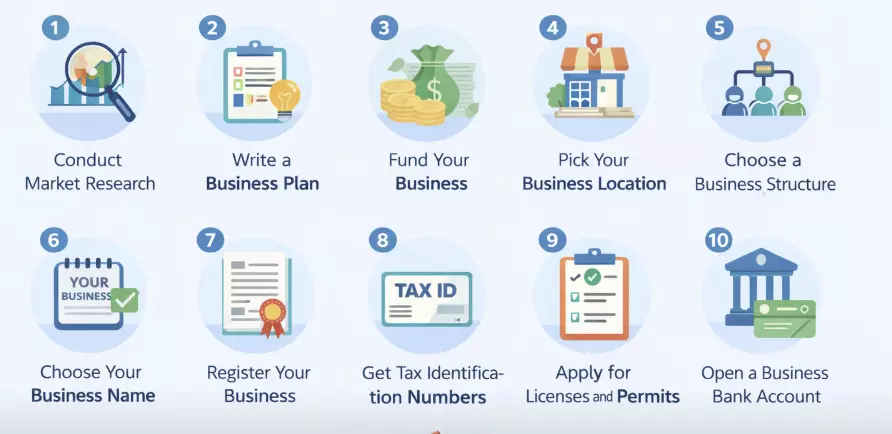
Starting a business requires more than a good idea. It involves research, planning, legal setup, and financial preparation. Following a structured approach helps reduce risks, improve decision-making, and build a strong foundation for long-term growth and operational success.
Launching a business is an exciting journey, but success depends on careful planning and informed decisions. From validating your idea to completing legal formalities, every step plays a crucial role in shaping your venture’s future. Here’s a clear breakdown of the ten essential steps to start your business the right way.
1. Conduct Market Research
Before investing time and money, understand your market. Research helps identify your target audience, their needs, buying behaviour, and competitors. It also reveals gaps in the market, allowing you to position your business with a clear competitive advantage.
2. Write a Business Plan
A business plan acts as your roadmap. It outlines your goals, target market, products or services, pricing strategy, marketing plan, and financial projections. This document is essential for attracting investors, partners, and lenders.
3. Fund Your Business
Estimate how much capital you need to start and operate. If personal savings aren’t enough, explore funding options such as loans, investors, grants, or crowdfunding. A solid financial plan ensures smoother operations in the early stages.
4. Pick Your Business Location
Your location can influence costs, taxes, customer access, and legal requirements. Whether it’s a physical store or an online business, choose a location that supports your operational and financial goals.
5. Choose a Business Structure
Your legal structure—such as sole proprietorship, partnership, LLP, or company—affects taxes, compliance, and personal liability. Select a structure that aligns with your risk tolerance and growth plans.
6. Choose Your Business Name
Your business name represents your brand identity. It should be memorable, relevant, and unique. Always check availability to avoid legal conflicts and ensure the name can be registered.
7. Register Your Business
Make your business legally recognised by registering it with the appropriate government authorities. Registration protects your brand and allows you to operate lawfully.
8. Get Tax Identification Numbers
Apply for necessary tax IDs, such as an Employer Identification Number (EIN) or state tax registration. These are required for tax filing, hiring employees, and opening financial accounts.
9. Apply for Licenses and Permits
Different industries require specific licenses and permits. Staying compliant prevents legal issues and ensures smooth business operations.
10. Open a Business Bank Account
A dedicated business bank account separates personal and business finances. It simplifies accounting, tax filing, and financial management.





