

When algorithms meet adventure: The AI revolution in travel
When algorithms meet adventure: The AI revolution in travel
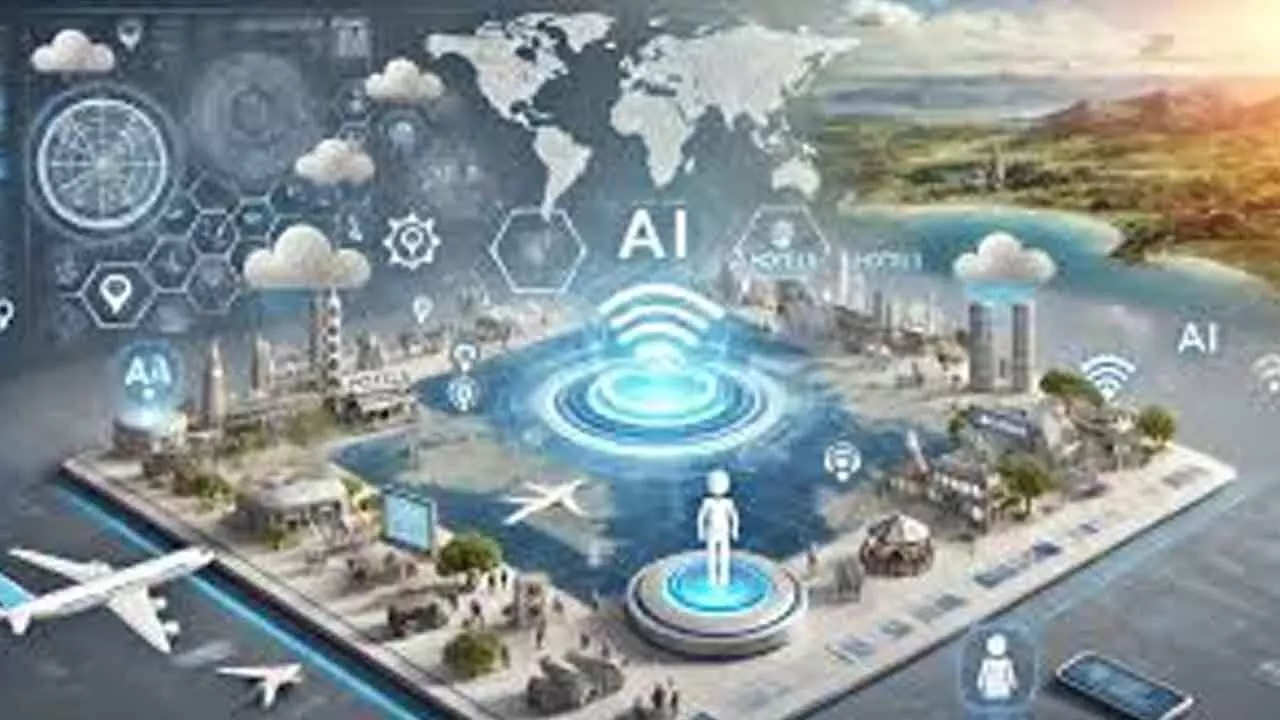
Artificial intelligence (AI) is rapidly transforming the tourism industry through advanced personalization and improved operational efficiency, with the market expected to expand significantly by 2030.
AI is enhancing traveler experiences through intelligent trip planning, personalized recommendations, and 24/7 chatbots, while simultaneously optimizing business operations using predictive analytics, dynamic pricing, and enhanced security systems.
By 2026, AI in tourism is expected to evolve from a support tool into an autonomous agent. This shift will enable hyper-personalized itineraries, frictionless booking journeys, predictive travel insights, and immersive augmented reality (AR) experiences.
AI will also drive operational efficiency through smart logistics, real-time pricing adjustments, and sustainability tracking. As a result, AI literacy is emerging as a core industry skill, allowing tourism professionals to balance automated foresight with the essential human touch.
The global Artificial Intelligence in Tourism market was valued at USD 1.16 billion in 2025 and is projected to reach USD 1.29 billion in 2026. Growing at a compound annual growth rate (CAGR) of 11.07%, the market is expected to reach USD 2.42 billion by 2032.
The convergence of artificial intelligence and tourism is redefining how travelers discover, engage with, and remember their journeys. From conversational agents providing round-the-clock customer support to immersive augmented reality tours, AI technologies are embedding themselves across every stage of the travel experience.
These innovations are not only enhancing personalization but are also unlocking unprecedented efficiencies for tour operators, hotels, and destination management organizations.
As consumer expectations continue to rise, tourism providers are leveraging advanced algorithms to analyze vast datasets, anticipate traveler preferences, optimize itineraries, and streamline logistics.
Travelers, in turn, are embracing these tailored experiences and increasingly expect seamless interactions from booking through post-trip engagement.
The adoption of AI is also enabling new business models, including dynamic pricing strategies and real-time demand forecasting, helping tourism businesses respond swiftly to market fluctuations.
In this evolving landscape, industry stakeholders must understand both the transformative potential and the challenges associated with integrating AI.
As the tourism sector adapts to shifting consumer behavior, regulatory frameworks, and technological innovation, this executive summary provides an overview of the AI-driven revolution fueling growth and innovation across the industry.
Artificial intelligence represents more than an incremental improvement for tourism—it marks a paradigm shift in how destinations connect with travelers and manage operations. Computer vision systems now support contactless check-ins and enhanced security screening, significantly reducing wait times and improving guest satisfaction.
At the same time, machine learning models are reshaping pricing and revenue management by analyzing real-time data to predict demand and dynamically adjust rates.Natural language processing has become central to customer engagement, powering multilingual chatbots and virtual concierges across multiple platforms.
As AI continues to reshape the global travel ecosystem, World Travel & Tourism Cwouncil remains at the forefront, advocating for safe, ethical, and inclusive AI adoption across the sector.
The future of tourism lies at the intersection of artificial intelligence and human ingenuity. By harnessing AI responsibly, the industry can deliver more personalized, efficient, and sustainable travel experiences for travelers worldwide.





