

Save More on the Road with Chevron Fuel Cards from Chevron
Chevron fuel cards help businesses control costs, track spending, and simplify fleet management. Read how they keep your vehicles moving efficiently.
How Chevron Fleet Cards Help Businesses Cut Fuel Costs, Improve Expense Control, and Access Nationwide Network Benefits
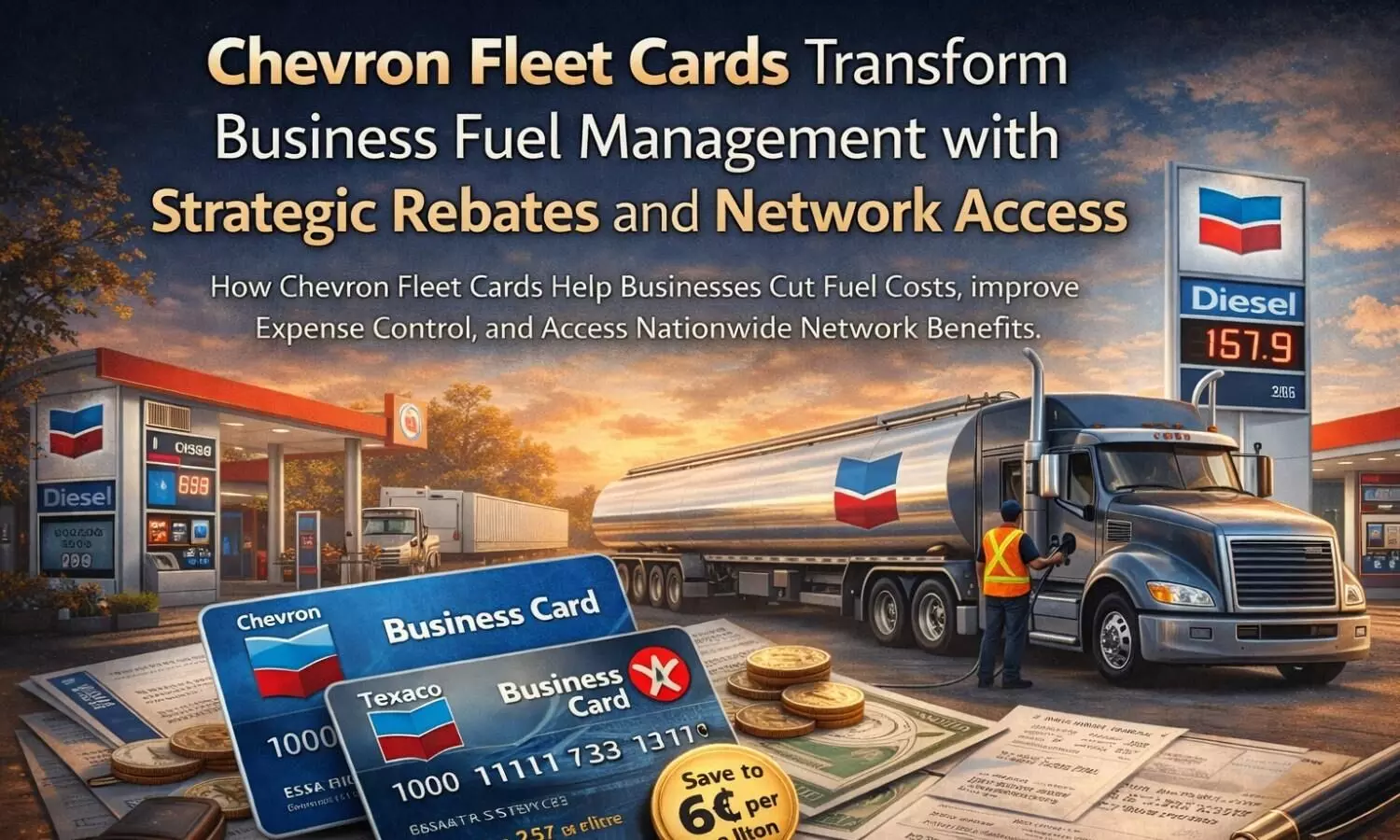
Chevron Fleet Cards Transform Business Fuel Management with Strategic Rebates and Network Access
Fleet operators save up to 13.2% on fuel costs through Chevron's business card programs and nationwide station network. The combination of strategic rebates, expansive acceptance networks, and real-time expense tracking creates measurable operational advantages for businesses managing vehicle fleets.
The Hidden Cost Crisis in Fleet Fuel Management
Traditional fuel expense management creates systematic inefficiencies that compound across every vehicle in your fleet. Companies processing fuel receipts manually lose 4 to 6 hours weekly on expense reconciliation, while lacking visibility into actual fuel consumption patterns and driver spending behaviors. The fragmented payment landscape forces fleet managers to juggle multiple vendor relationships, negotiate separate contracts, and maintain inconsistent pricing structures across different fuel brands.
Chevron and Texaco Business Access Card offers up to 6¢ per gallon rebates at Chevron and Texaco stations for fleets purchasing 10,000+ gallons per billing cycle. This rebate structure directly addresses the cost volatility that undermines fleet budget predictability. The integration with WEX network technology extends acceptance to 95% of U.S. fuel stations, eliminating the geographic limitations that traditionally restricted fleet routing efficiency.
The financial impact extends beyond simple per gallon savings. Industry studies show a 13.2% reduction in fuel costs when combining Chevron fuel cards with telematics and GPS tracking. This reduction emerges from multiple optimization vectors: strategic routing to lowest cost stations, elimination of unauthorized purchases, and data driven vehicle maintenance scheduling that improves fuel efficiency.
How Fleet Fuel Cards Revolutionize Expense Control
Fleet fuel cards fundamentally restructure the relationship between businesses and fuel vendors. Rather than processing individual transactions through corporate credit cards or cash advances, fleet cards create a controlled payment ecosystem with embedded reporting, spending limits, and automated expense categorization. The shift from reactive expense processing to proactive spend management transforms fuel from an uncontrolled variable cost into a strategically managed operational input.
WEX fuel cards, including Chevron options, are accepted at over 45,000 service and maintenance locations across the U.S. This extensive network coverage means drivers maintain consistent payment methods whether fueling at Chevron stations or accessing emergency roadside services. The unified payment platform eliminates reimbursement delays and reduces administrative overhead associated with expense report processing.
Monthly card fee is $2 per card, with customizable spend controls and real time reporting for fleet management. These controls operate at multiple levels: daily spending limits, geographic restrictions, product category limitations, and time based access windows. Fleet managers configure parameters that align with operational requirements while preventing unauthorized usage patterns that inflate fuel budgets.
Strategic Benefits of Chevron Business Fleet Programs
Chevron's commercial fuel programs deliver quantifiable advantages through systematic cost reduction and operational streamlining. The tiered rebate structure rewards volume purchasing while maintaining flexibility for seasonal fluctuations in fuel consumption. Fleets consuming higher volumes unlock progressively larger rebates, creating economies of scale that directly impact bottom line performance.
Accepted at 8,000 Chevron and Texaco stations nationwide, plus 95% of U.S. fuel stations via the WEX network, these cards eliminate range anxiety for long haul operations. Drivers focus on optimal routing rather than searching for accepted payment locations. The comprehensive station coverage particularly benefits regional carriers operating across multiple state boundaries where fuel pricing and availability vary significantly.
Real time transaction reporting provides immediate visibility into fuel spending patterns, enabling rapid response to anomalies or inefficiencies. Fleet managers identify vehicles consuming excessive fuel, detect potential maintenance issues through consumption spikes, and optimize route assignments based on actual fuel usage data. This granular visibility transforms fuel management from monthly reconciliation exercises into continuous optimization processes.
What Makes WEX Fleet Cards Different from Traditional Payment Methods?
WEX fleet cards integrate directly with fleet management software systems, creating automated data flows that eliminate manual entry errors and reduce processing time by 75%. Traditional credit cards require secondary processing through expense management platforms, introducing delays and potential classification errors. Fleet cards capture enhanced transaction data including odometer readings, driver ID numbers, and product types purchased, creating comprehensive audit trails for tax reporting and operational analysis.
The network architecture supporting WEX cards processes transactions through specialized merchant category codes that trigger automatic Level III data capture. This enhanced data includes line item details, quantity purchased, and unit pricing information that standard credit card processing cannot provide. Fleet managers receive itemized reports showing exact gallons purchased, price per gallon, and total transaction amounts without requiring receipt collection or manual documentation.
Security features embedded in fleet card programs exceed traditional payment card protections. Driver PIN requirements, velocity controls, and product restrictions prevent unauthorized purchases while maintaining transaction speed at the pump. Real time fraud monitoring algorithms detect unusual spending patterns and trigger immediate alerts, enabling rapid card deactivation when suspicious activity occurs.
Maximizing Fuel Savings Through Volume Rebates and Strategic Purchasing
Volume based rebate programs create compounding savings opportunities for fleets managing consistent fuel consumption patterns. The Chevron and Texaco Business Access Card's 6¢ per gallon rebate for fleets purchasing 10,000+ gallons monthly translates to $600 minimum monthly savings at baseline consumption levels. Larger fleets consuming 50,000 gallons monthly realize $3,000 in direct rebate savings before accounting for negotiated pricing advantages.
Strategic purchasing optimization extends beyond simple rebate capture. Fleet managers leverage transaction data to identify optimal fueling locations based on combined factors: base fuel pricing, applicable rebates, station proximity to planned routes, and historical service quality metrics. This multi variable optimization frequently yields 8 to 12% additional savings beyond published rebate rates.
Seasonal purchasing strategies further enhance savings potential. Fleet operators pre purchase fuel cards during promotional periods, lock in favorable rebate rates through annual contracts, and negotiate custom pricing arrangements based on projected annual volumes. These forward looking agreements provide budget certainty while capturing maximum available discounts.
Integration with Fleet Management Systems and Telematics
Modern fleet cards function as data collection endpoints within comprehensive vehicle management ecosystems. Integration with telematics platforms enables automatic mileage tracking, fuel efficiency calculations, and maintenance scheduling based on actual usage patterns rather than estimated intervals. The convergence of payment data and vehicle telemetry creates predictive maintenance capabilities that prevent costly breakdowns while optimizing fuel efficiency.
GPS tracking integration with fuel card data reveals driver behavior patterns that impact fuel consumption. Aggressive acceleration, excessive idling, and suboptimal routing appear as measurable fuel waste in integrated reporting dashboards. Fleet managers implement targeted driver training programs based on specific inefficiency patterns, frequently achieving 5 to 8% fuel consumption reductions through behavior modification alone.
Automated exception reporting identifies transactions occurring outside expected parameters. Fueling events at unusual times, locations distant from assigned routes, or volumes exceeding tank capacity trigger immediate investigation alerts. This proactive monitoring prevents fuel theft while ensuring drivers follow prescribed operational procedures.
How Do Fuel Card Controls Prevent Unauthorized Spending?
Customizable spending controls operate as programmable business rules that govern every transaction attempt. Fleet managers establish product category restrictions limiting purchases to fuel and approved maintenance items. Time based controls prevent weekend fueling for vehicles assigned to weekday only operations. Geographic boundaries restrict cards to specific regions, preventing unauthorized personal travel on company fuel accounts.
Transaction velocity limits prevent rapid fire purchases that indicate potential fraud or card compromise. Daily and weekly spending caps ensure individual cards cannot exceed budgeted amounts even if other controls fail. These multilayered restrictions create defense in depth against both external fraud and internal policy violations.
Driver accountability measures require PIN entry for every transaction, creating individual responsibility for fuel purchases. Odometer reading requirements at each fueling establish continuous mileage tracking that reveals unauthorized vehicle usage between authorized trips. These accountability mechanisms reduce fuel shrinkage by 15 to 20% compared to uncontrolled payment methods.
Streamlining Operations with Consolidated Billing and Reporting
Consolidated billing transforms hundreds of individual fuel transactions into single monthly invoices with detailed supporting documentation. Accounts payable departments process one payment rather than reconciling numerous credit card statements or reimbursement requests. This consolidation reduces processing costs by $15 to $20 per vehicle monthly while eliminating late payment fees from missed individual transactions.
Automated expense categorization eliminates manual coding of fuel purchases for accounting systems. Transaction data flows directly into general ledger systems with appropriate department, vehicle, and cost center allocations. This automation reduces month end closing time by 2 to 3 days while improving accuracy of fuel cost allocations across business units.
Customizable reporting templates provide stakeholders with relevant metrics without information overload. Executive dashboards show high level fuel spend trends and savings achieved through card programs. Operational reports detail individual vehicle efficiency metrics and driver performance indicators. Compliance reports document fuel tax obligations and environmental impact measurements required for regulatory filings.
Nationwide Coverage and Emergency Roadside Services Access
The expansive acceptance network of Chevron fleet cards ensures consistent fuel access across all operational territories. Rural routes lacking major brand stations still provide fueling options through WEX network participants. This universal acceptance eliminates driver downtime searching for approved stations and reduces deviation distances from optimal routing paths.
Emergency roadside services integration provides crucial support for breakdown situations. Drivers use fleet cards for towing services, emergency repairs, and temporary vehicle rentals without requiring separate payment authorization processes. This integrated emergency response capability reduces vehicle downtime by 30 to 40% compared to traditional reimbursement based systems.
24/7 customer support services provide immediate assistance for lost cards, transaction disputes, and emergency card activation. Replacement cards ship overnight to any location, ensuring minimal operational disruption from card issues. This responsive support infrastructure maintains fleet mobility even during unexpected payment system challenges.
Building Long Term Value Through Fleet Fuel Optimization
Strategic fuel management through dedicated fleet card programs creates compounding value over extended operational periods. Initial savings from rebates and consolidated billing grow as organizations refine purchasing strategies based on accumulated data insights. Fleet managers identify optimal vehicle replacement cycles, right size vehicle selections for specific routes, and implement preventive maintenance schedules that maximize fuel efficiency throughout vehicle lifecycles.
Partnership relationships with fuel providers evolve from simple vendor transactions to strategic operational alliances. Chevron's commercial programs provide dedicated account management, customized reporting solutions, and strategic consulting services that extend beyond basic payment processing. These partnerships frequently identify additional optimization opportunities worth 20 to 30% beyond initial program savings.
The combination of immediate rebate savings, operational efficiency improvements, and strategic optimization insights positions fuel management as a competitive advantage rather than simple cost center. Organizations leveraging comprehensive fleet card programs consistently outperform competitors relying on traditional payment methods. The measurable impact on operational margins justifies the minimal monthly card fees while providing scalable infrastructure for fleet expansion.
Fleet fuel management evolves continuously as new technologies emerge and operational requirements shift. Chevron's integration with WEX network infrastructure ensures access to emerging capabilities without requiring system replacements. This future ready approach protects technology investments while maintaining flexibility for changing business requirements. The systematic advantages of professional fleet fuel management compound over time, transforming fuel from uncontrolled expense to strategic operational asset





