

Optimize Fleet Fuel Solutions with Earnify to Boost Fuel Management
Earnify’s fleet fuel solutions optimize fuel management, cut fuel costs, and simplify spending with a powerful fuel card for every fleet.
How Real-Time Data, Cardlock Networks, and Mobile Fueling Cut Fleet Fuel Costs by Up to 25%
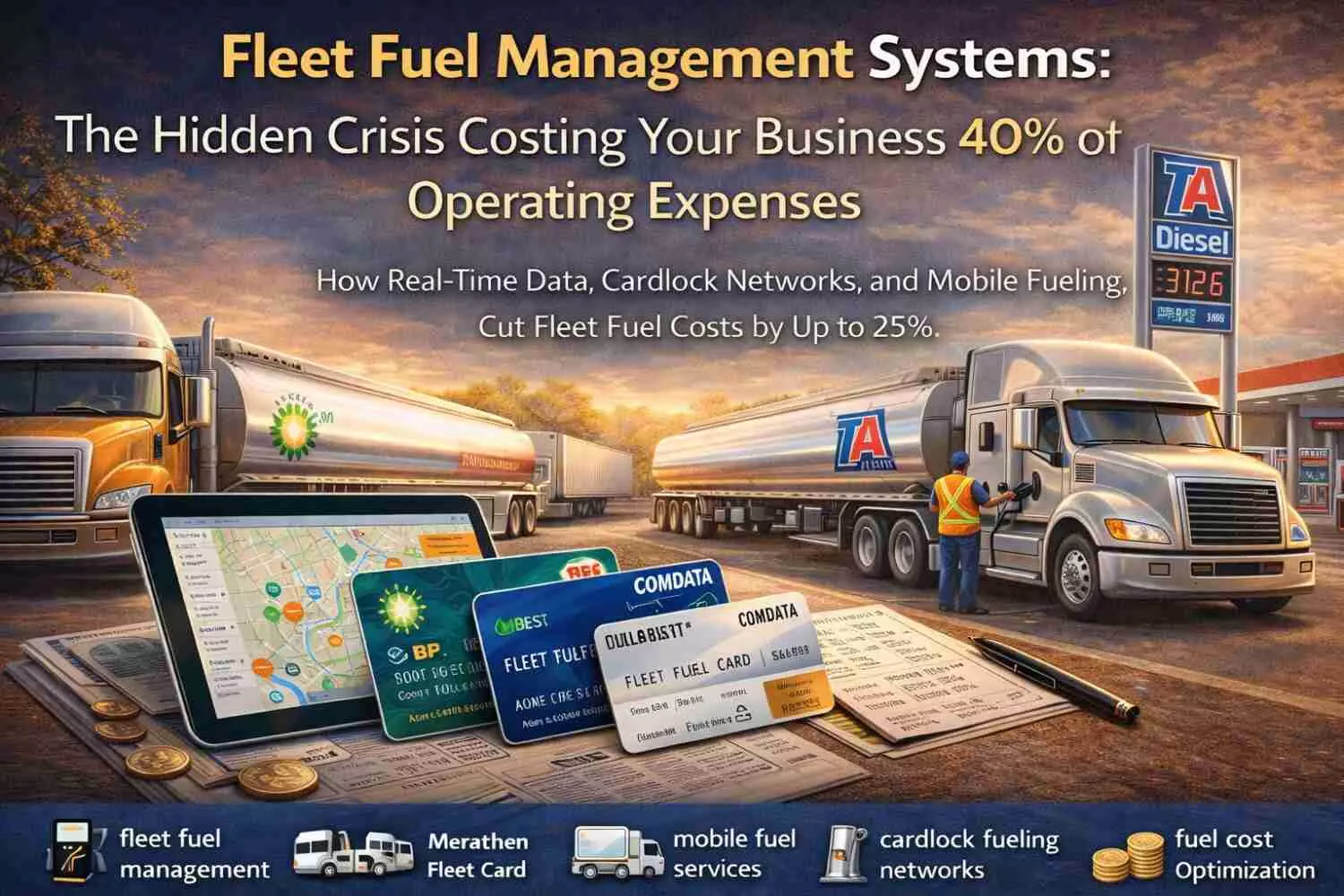
Fleet Fuel Management Systems: The Hidden Crisis Costing Your Business 40% of Operating Expenses
Fleet fuel represents the single largest controllable expense for transport companies, consuming up to 40% of total operational costs while traditional fuel management approaches leave millions in savings uncaptured. Fleet fuel solutions combining real-time data monitoring, strategic cardlock fueling networks, and automated inventory management deliver average cost reductions of 25% through optimized fuel purchases and elimination of theft, waste, and inefficient routing.
The Economics of Traditional Fleet Fueling
Your fleet burns money at every filling station. Companies relying on traditional fuel cards and manual fuel management processes hemorrhage cash through unmonitored fuel spend, price volatility exposure, and zero visibility into actual fuel consumption patterns. The old model forces fleet managers to accept whatever fuel price appears at the pump while drivers waste productivity hours searching for stations, waiting in lines, and dealing with payment complications.
Modern fleet fuel management systems transform this broken dynamic completely. Software platforms now integrate real-time fuel pricing data across thousands of stations, automatically routing vehicles to optimal fueling locations based on current diesel fuel costs, tank levels, and planned routes. The earnify fleet program exemplifies this evolution, providing fuel savings of up to 7 cents per gallon across 8,000 network locations including BP, Amoco, and TravelCenters of America stations.
How Fleet Fuel Cards Revolutionize Expense Control
Fleet fuel cards equipped with advanced fuel management software provide granular control over every gallon purchased across your entire fleet. Unlike consumer credit cards, specialized fleet cards enforce fuel type restrictions, purchase limits, and location parameters that eliminate unauthorized spending while capturing detailed fuel data for analysis. This technology prevents the fuel theft that costs the transport industry billions annually.
The integration between fleet cards and fuel management solutions creates an automated accounting system that tracks fuel efficiency metrics for each vehicle in real time. Managers receive alerts when fuel consumption deviates from expected patterns, indicating potential maintenance issues, route inefficiencies, or driver behavior problems. This data driven approach to fleet management typically reduces fuel costs by identifying waste that manual processes miss entirely.
Why On-Site Fleet Fueling Transforms Operational Efficiency
On-site fuel delivery eliminates the productivity drain of sending trucks and buses to filling stations during peak operational hours. Mobile fueling services bring bulk fuel directly to your vehicles while they sit idle overnight, ensuring every vehicle starts each shift with a full tank without consuming driver hours or creating downtime. This approach particularly benefits emergency service fleets, public transport operations, and companies managing large truck inventories.
The economics of onsite fuel delivery extend beyond time savings. Bulk fuel purchasing agreements provide predictable pricing that shields operations from pump price volatility while bulk fuel discounts reduce per gallon costs below retail rates. Tank monitoring systems integrated with delivery solutions ensure you receive fuel exactly when needed, preventing both emergency fuel delivery surcharges and excess inventory carrying costs.
Fleet Fuel Management Systems: Data That Drives Savings
Modern fuel management software transforms raw fuel purchases data into actionable intelligence that helps fleet operators optimize every aspect of fuel spend. These platforms track fuel economy in automobiles across different routes, weather conditions, and driver behaviors, revealing optimization opportunities invisible to manual tracking. With 19.2 million active fleet management systems operating in North America and forecasted growth to 33.2 million units by 2029, the industry recognizes data as the key to cost control.
Real-time alerts notify managers when vehicles deviate from fuel efficiency benchmarks, enabling immediate intervention before small problems become expensive repairs. Predictive maintenance algorithms analyze fuel consumption patterns to identify diesel engine issues before they cause downtime, while route optimization features reduce fleet fuel costs by minimizing total miles driven.
Streamline Your Fueling Operations Through Strategic Integration
Integrated fuel solutions connect cardlock fueling networks, fuel management software, and fleet maintenance systems into a unified platform that streamlines every aspect of fuel operations. This consolidation eliminates the administrative burden of managing multiple vendor relationships while providing comprehensive visibility into fuel expenses across all locations and fuel types.
Companies implementing integrated fuel management solutions report dramatic improvements in operational efficiency and performance. Automated fuel data collection eliminates manual entry errors, while centralized reporting provides instant access to fuel savings metrics that demonstrate program ROI. The ability to manage fuel needs through a single interface reduces administrative overhead while improving response times to fuel price changes.
Commercial Fueling Networks vs. Retail Stations
Commercial fueling networks designed specifically for fleet customers provide advantages unavailable at standard gasoline pump locations. Cardlock fueling stations offer 24/7 access without retail congestion, dedicated diesel fuel lanes for trucks, and automated pay at the pump systems that eliminate transaction delays. These facilities optimize fleet productivity by minimizing refuel time while providing consistent fuel quality standards.
The pricing advantages of commercial fueling extend beyond simple fuel discounts. Price risk management tools available through fleet fuel delivery providers protect against volatility in petroleum markets, enabling accurate budget forecasting. Access to alternative fuel options including biodiesel, ultra-low-sulfur diesel, and liquefied natural gas positions fleets for evolving emission standards and climate change mitigation requirements.
Reduce Fleet Downtime Through Predictive Fuel Management
Fuel-related downtime costs transport companies millions in lost productivity annually. Running out of fuel, contaminated fuel issues, and fuel system failures create cascade effects that disrupt entire operations. Fuel management solutions that keep your fleet running employ predictive analytics to prevent these failures before they occur.
Tank monitoring systems track fuel levels continuously, triggering automatic delivery orders that ensure vehicles never run empty. Fuel quality monitoring detects contamination that could damage engines, while diesel exhaust fluid level tracking prevents emission system shutdowns. These proactive management tools transform fuel from a reactive expense into a strategically managed resource that supports operational continuity.
Mobile Fueling: The Future of Fleet Fuel Solutions
Mobile fueling services represent the next evolution in fleet fuel management systems, bringing filling stations directly to vehicle locations. Fuel trucks equipped with certified pumps deliver gasoline, diesel fuel, and DEF to buses, trucks, and equipment wherever they park, eliminating travel time to fueling stations entirely. This model proves particularly valuable for construction fleets, port operations, and emergency service vehicles that cannot afford operational interruptions.
The efficiency gains from mobile fueling extend throughout the organization. Drivers spend less time away from revenue generating activities, vehicles avoid wear from unnecessary travel to stations, and fuel theft becomes virtually impossible when professional crews handle all fueling. Companies utilizing mobile fueling report fuel savings exceeding traditional fuel cards and fleet management approaches.
How to Optimize Fleet Fuel Efficiency Across Your Operations
Optimizing fuel efficiency requires a comprehensive approach combining technology, training, and strategic fuel management. Start by implementing fuel management software that tracks fuel economy metrics for every vehicle, then use this data to identify improvement opportunities. Driver training programs that focus on efficient acceleration, speed management, and idle reduction can improve fuel economy by 15% without any vehicle modifications.
Vehicle maintenance directly impacts fuel consumption, with properly inflated tires, clean air filters, and regular engine tuning delivering measurable fuel savings. Route optimization software that considers traffic patterns, elevation changes, and delivery windows helps fleet managers reduce total gallons of fuel consumed while maintaining service levels. These combined strategies help you cut costs systematically rather than hoping for lower fuel prices.
Solutions Designed for Modern Fleet Challenges
The global fleet market projected to grow at 16% CAGR through 2034 reflects increasing recognition that traditional fuel management approaches cannot address modern operational complexity. Integrated fuel and payment solutions now address a $23.4 billion market need for comprehensive cost optimization that goes beyond simple fuel purchases to encompass entire fleet performance ecosystems.
Tomorrow's fleet fuel solutions will leverage artificial intelligence to predict optimal fueling strategies, blockchain technology to secure fuel data, and automated systems that eliminate human intervention in routine fuel management tasks. Companies that adopt these solutions today position themselves to capture competitive advantages as the transport industry evolves toward greater efficiency, sustainability, and profitability. The path forward requires abandoning outdated fueling approaches and embracing data-driven fuel management solutions that keep your operations ahead of market changes.





