

How travel is being redefined in 2026: Slower, smarter, and more meaningful
From wellness to AI itineraries, the New Year signals a shift towards purposeful and personalised journeys
How travel is being redefined in 2026: Slower, smarter, and more meaningful
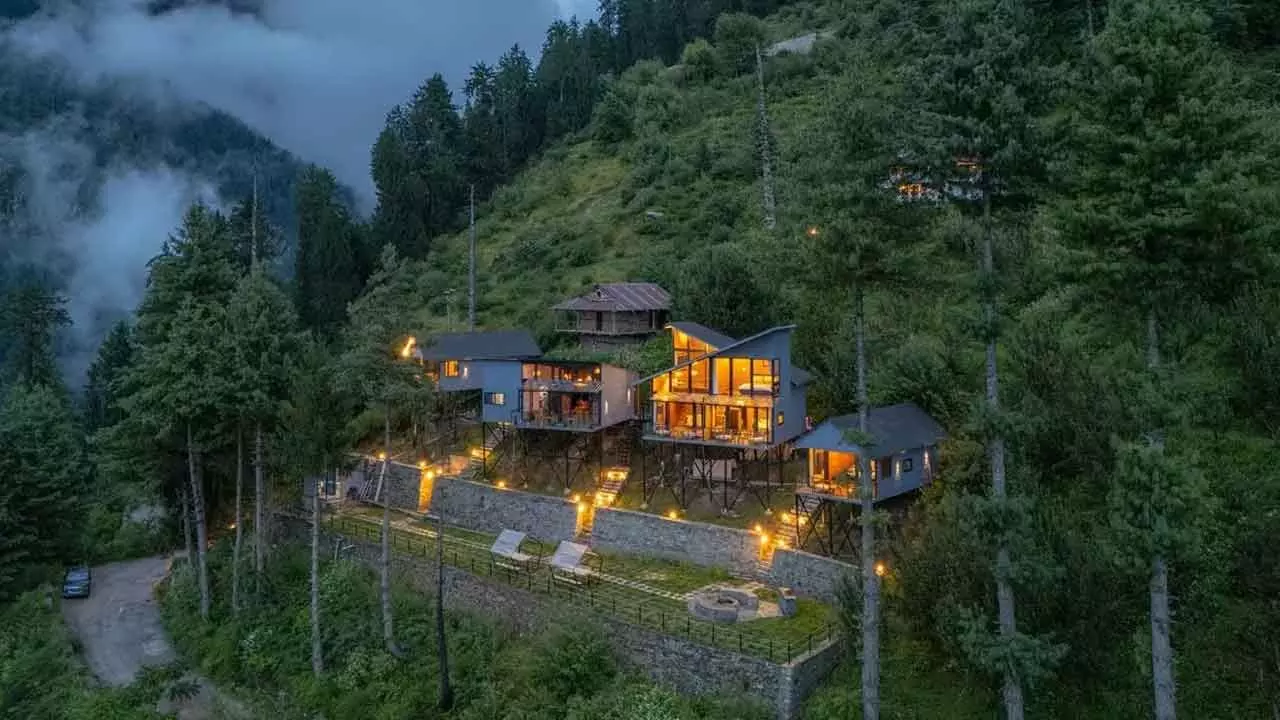
Travel in 2026 is shifting from generic getaways to deeply personal, meaningful experiences. From slow travel and farm stays to wellness retreats and cultural immersions, the year ahead promises travel that is curated, conscious, and quietly transformative.
Emerging patterns blend the best of two worlds: slow travel for depth and connection, and micro-travel for frequent, shorter breaks.
AI-powered planning tools now craft unique itineraries, while cultural experiences such as set-jetting, local sporting events, and indigenous storytelling offer richer engagement. Multi-generational travel is also on the rise, driven by a desire for shared memories and meaningful bonding.
Younger generations continue to influence these evolving travel preferences, even as global travel unfolds against a backdrop of geopolitical uncertainty, rising costs, and climate concerns. These factors are increasingly influencing where people go or they plan their trips, but also giving rise to trends like ‘coolcations’ and shoulder-season travel.
Travel in 2026 is less about arrival and more about alignment. Guests are choosing destinations that support who they are becoming, not who they wish to escape. Wellness has matured into a quiet companion, present in light-filled rooms, nourishing food, unhurried mornings, and spaces that honour both science and soul.
Japan has emerged as a breakout destination this year, experiencing a major surge in global interest and welcoming a record-breaking number of international visitors. China, Italy, and Turkey remain strong draws, while among American travellers, traditional favourites like Mexico, France, Spain, and Canada continue to dominate.
However, early 2026 data points to the Bahamas entering the top five for the first time, indicating renewed interest in Caribbean travel. Over the years, business travel has also rebounded steadily from pandemic lows. Professionals, fatigued by years of virtual meetings, are once again seeking face-to-face interactions.
The concept of bleisure—blending work trips with leisure—is now standard practice, especially among younger workers eager to maximise travel opportunities.
Yet the global picture is anything but straightforward. In 2026, travellers will continue navigating a complex landscape. Ongoing conflicts in Ukraine and Gaza, escalating unrest across parts of the Middle East and Africa, and growing political tensions in the US continue to shape traveller sentiment.
Some risks unfold gradually, influencing destination choices over time. For instance, tensions between Russia and Europe since 2014 have increasingly made travellers cautious about regions close to active conflict zones.
According to travel analysts, low-risk destinations in 2026 will remain those with stable governments, robust infrastructure, and reliable services. These include Japan, Australia, New Zealand, much of Southeast Asia, most of Europe, North America, and parts of South America such as Chile and Argentina.
Price continues to be the determining factor as travellers continue to spend carefully. They’re planning with greater purpose, shaping trips that reflect who they are and what matters most, at a price that’s right for them. Budgets are being stretched to make room for richer, more rewarding experiences.
A growing number of travellers are also making more conscientious choices. Nearly a third now actively avoid over-touristed destinations, opting instead for quieter, less-explored regions. In India, domestic travel is is becoming more reflective. Shorter trips are being chosen with greater care. Sustainability is no longer optional, but it is decisive.
Domestic travel in India is being redefined by intent rather than scale. Travellers are choosing destinations closer to home, slower itineraries, and shorter, purpose-driven getaways that align with personal milestones and wellbeing. Sustainability is no longer a parallel conversation; it directly shapes travel choices and expectations.
Technology, particularly AI, will play a more nuanced role across the travel journey, with bespoke solutions and multiple agents working together behind the scenes to solve specific and real traveller problems – from inspiration to planning and right through to booking.
At the same time, social media continues to fuel wanderlust, increasingly shaping how people discover destinations and define what feels aspirational.
The future of travel is not louder, but smarter. It is curated, conscious, and deeply human.





