

How global tariffs are reshaping business travel decisions
How global tariffs are reshaping business travel decisions
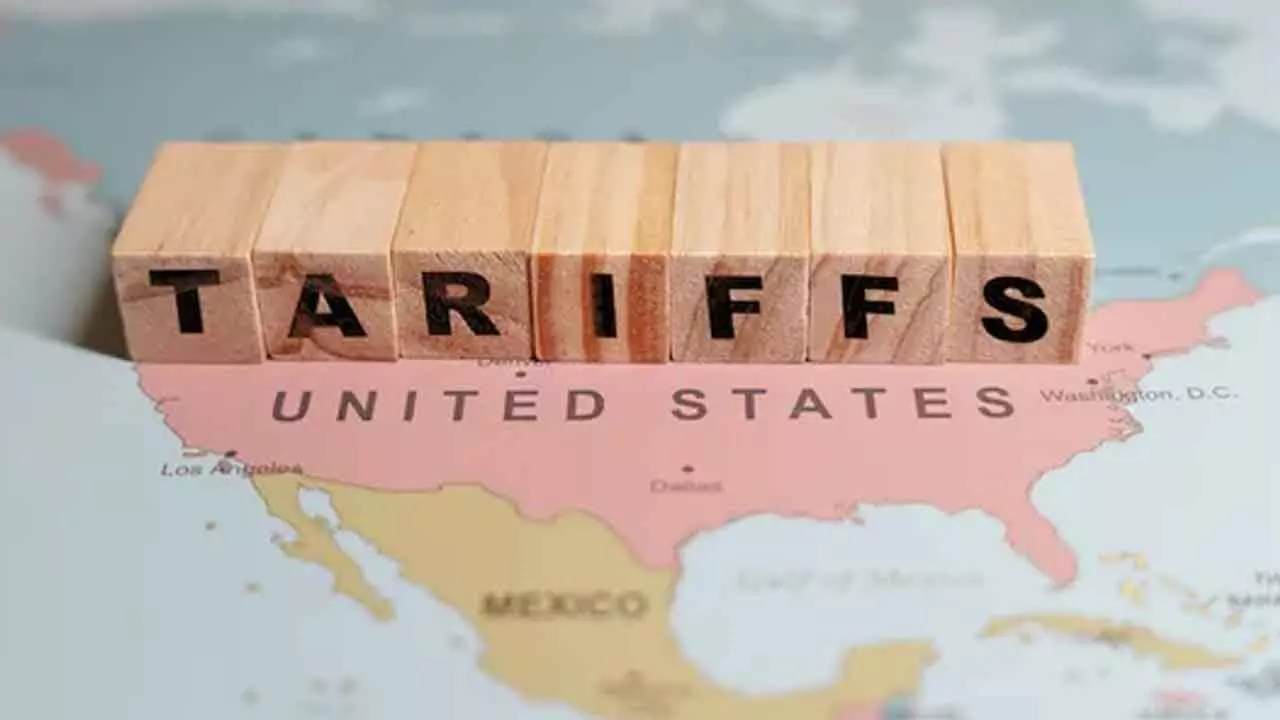
Corporate travel has always been vulnerable to macroeconomic shifts, but lately it feels like the weather changes hourly. After years of relatively smooth global trade, tariffs are back in the headlines. The United States introduced sweeping changes, including a flat 10% import tax and a hefty 145% tariff on goods from China. As a result, the average US tariff rate climbed to its highest level since the 1930s.
Naturally, major trading partners such as China and the European Union (EU) responded with their own countermeasures. Just when it seemed the picture was clear, it shifted again: former President Donald Trump’s tariffs were ruled illegal, then temporarily reinstated within the same 24 hours.
If nothing else, this back-and-forth highlights one reality — the likelihood of tariff impacts disappearing altogether remains low. While the stated intent of these measures is to protect domestic industries and reduce reliance on foreign supply chains, the ripple effects extend far beyond the factory floor.
At first glance, tariffs and travel may not seem closely linked. Scratch the surface, however, and the connection becomes obvious.
Global travel providers — airlines, hotels, and ground transport companies, operate within complex international supply chains. When these links are disrupted, financially or operationally, the cost of service delivery rises, and those increases ultimately reach the consumer.
Proposed tariffs of up to 25% on steel and aluminium imports into the US are expected to drive up aircraft production and maintenance costs. Combined, these pressures could lead to higher airfares, reduced route availability, or service changes in certain markets.
Rental car companies may face similar challenges, as many vehicles and parts they rely on are subject to tariffs, potentially pushing up daily hire rates, especially for fleets dependent on imported models.
Hotels are unlikely to escape unscathed. Linens, appliances, furnishings, technology — if it is imported, it is impacted. As operating expenses rise, so do room rates. Across the US, some properties are absorbing the costs, while others are adjusting pricing models, scaling back guest perks, or delaying upgrades.
Economic uncertainty also tends to trigger broader market reactions. Exchange rates can fluctuate sharply amid investor anxiety, shifting supply chains, and market volatility, placing downward pressure on currencies. For multinational travel programmes, this volatility can create unexpected gaps in even the most carefully planned budgets.
Business travel has played a pivotal role in economic development for centuries, with change being the only constant. President Trump’s global tariffs are no different, presenting both challenges and opportunities, where international borders may become lucrative new avenues rather than obstacles.
The response must be deliberate. Prioritise trips that directly support revenue generation, customer relationships, or operational continuity. Review internal travel for opportunities to consolidate or reduce non-essential movement.
Countries facing major trade shifts may also carry heightened political or operational risk. Favour destinations with lower exposure to trade tensions, stable infrastructure, and transparent border regulations.
Employee sentiment matters as well. Visa restrictions and geopolitical uncertainty can cause anxiety for travellers. Organisations should factor in psychological safety, security, and wellbeing when making travel decisions. If you are moving people for business, make sure they are safe.
Traditional, rigid travel policies often struggle in volatile environments. Dynamic policies, responsive to real-time pricing, availability, and market conditions, offer greater resilience. This may involve encouraging rail over air in select markets, adjusting per diems based on currency movements, or revising preferred suppliers as new cost data emerges.





