

A Burning Need in Romania’s Animal Care—Large Animal Rescues
Growing awareness and urgent efforts are highlighting the need for stronger rescue and rehabilitation support for large animals across Romania.
Animal welfare groups are drawing attention to the urgent need for large animal rescue and rehabilitation services in Romania, as efforts grow to protect vulnerable livestock and working animals.
Countless times, people have called us to help them rescue an abandoned horse or an injured donkey, even though we are mainly known for rescuing dogs and cats. They have done so because the animal was in pain and suffering, and because they know we will help.
Typically, we would bend over backward to call on all our connections, ask for veterinary assistance, and look for shelter—we even set up a makeshift shelter occasionally. But the reality is that we are not equipped at all to handle such cases, and it breaks our hearts to say this.
What is happening to large animals as they age or become ill?
Animal abandonment, although banned by law in Romania, is still a common practice, mainly in underprivileged rural communities. For people struggling to make ends meet, keeping around an animal that can no longer pull its own weight is highly problematic.
Therefore, in some of these communities, the previous owners will look for alternatives as soon as the animal is no longer of use or needs care and medical assistance. Unfortunately, for some, abandonment is not the worst fate.
While not all animal owners are heartless, and some care for the animals who have helped them for years by pulling their carts and carrying heavy loads of agriculture, there are still owners who kick out their animals as soon as they are too sick and weak to work. Either they cannot afford expensive veterinary medical bills, or they cannot afford to pay for the care and maintenance of an animal they no longer see as valuable.
This happens to horses and donkeys. These animals, who are overworked pulling carts and carrying heavy loads for people to help them make a living, are mistreated and neglected by the very same people they help. These owners should be following best practices for their animals, but they don’t.
These are not mere recommendations but legal provisions meant to protect these animals from the age-old belief that their owners have complete control over them and can decide whether they live or die. What is worse, people with this mentality usually have little regard for how an animal lives under their care, bringing their suffering full circle.
How can the PawzUp sanctuary help?While the legislation protecting these animals has been passed, getting people to change their habits proves more difficult. How people behave in the confines of their homes is one thing, but an animal left to die of starvation, in the cold, and in pain near the village where it has toiled alongside its human owners for many years is different.
The problem, apart from the obvious part of how wrong it is to abandon an animal in its hour of need, is that there is no place for these animals to retire.
Although veterinary clinics can occasionally house some of the stray dogs and cats we ask them to treat, almost none of them have the means to house large animals. Taking them to specialized refuges—which are few and not close by—is another problem, as arranging for the special transport of an injured or old animal is challenging.
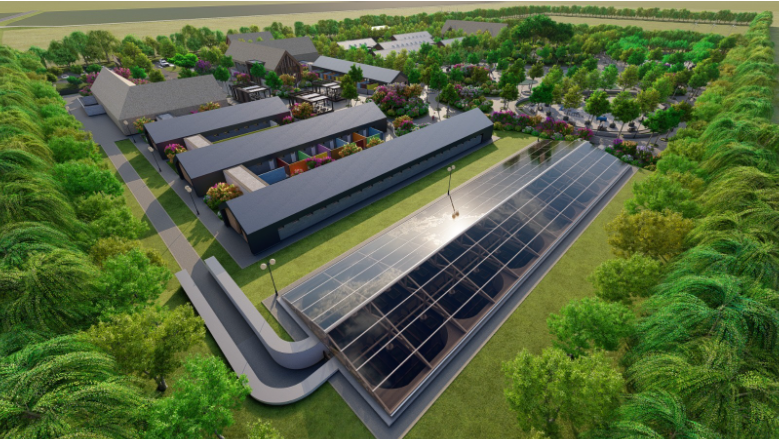
With its PawzUp center , ROLDA sets out to fix one of the main issues we have had when answering these types of calls—the lack of space to house a recovering horse or a donkey. Our connections and exposure have allowed us to find medical help for these animals most of the time. Unfortunately, treating an animal only to release it back where we found it is just as cruel.
The PawzUp center will have dedicated spaces for donkeys and horses, which, although they will not be numerous, will at least be sufficient to cover the community's needs. This does not encourage people who are unwilling to care for their animals to leave them on our doorstep. But it is for us to know that when that phone rings and a distressed person lets us know that an old and injured donkey is struggling to survive, we will have the joy and honor of wholeheartedly saying that we can deal with this issue!
It has been a lifelong dream to live in a world where all animals are properly cared for. While we are still struggling to make this happen, at least for the dogs living in our part of the country, we cannot help but extend a helping hand to other animals as well, especially since we already have the expertise to do so.
The PawzUp center will not have a horse and donkey sanctuary—although the idea is very appealing—but we will do all we can to be equipped to house such animals during their recovery and, most likely, until their final days, because there is not a great demand for their adoption.
By helping and supporting ROLDA in our struggle to bring this center to life, you will contribute to improving the lives of many animals in our part of the country who deserve just as much care and respect as the rest of us.





