

ZATCA Phase 2 Explained: Is Your KSA Business Ready for the "Integration" Wave?
How e-Invoicing in Saudi Arabia Is Changing Under ZATCA Phase 2
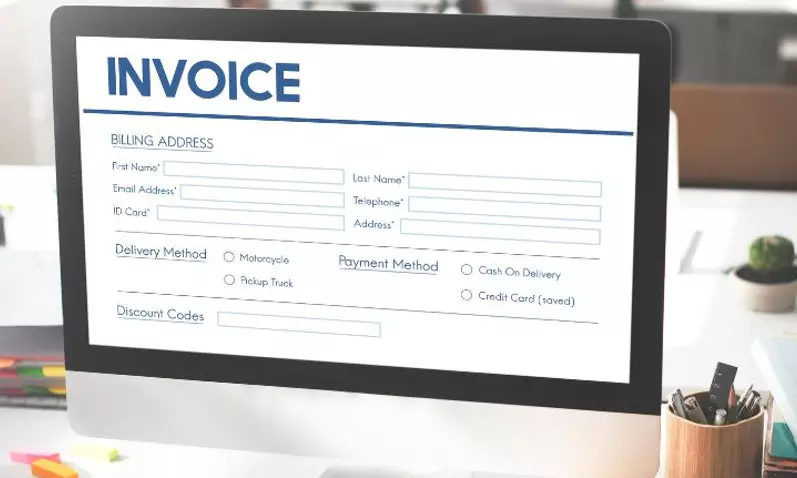
image for illustrative purpose
● ZATCA Phase 2 requires your invoicing system to integrate with ZATCA’s platform for real-time invoice validation.
● You must use compliant e-invoicing software in KSA that supports APIs, security features, and invoice standardization.
● Tools like Tally Prime help automate compliance, reduce errors, and streamline reporting.
● If your business is VAT-registered, you must be Phase 2 ready based on your assigned ZATCA wave.
● Start early to avoid penalties or disruptions.
ZATCA Phase 2, also known as the “Integration Phase,” is officially here, and it’s redefining how businesses in Saudi Arabia manage invoices. If you’re running a business in KSA, understanding these changes isn’t optional; it’s essential for staying compliant and avoiding penalties.
The shift demands not just awareness, but the right technology, especially reliable e-invoicing software in KSA. This guide breaks down everything you need to know in the simplest terms, so you’re fully prepared for the integration wave.
What is ZATCA Phase 2?
ZATCA Phase 2 is the next major step after Phase 1 (Generation Phase). While Phase 1 simply required electronic invoice creation, Phase 2 goes much deeper; it demands real-time or near-real-time integration with the ZATCA system.
That means every invoice you issue must be:
● Digitally signed
● Structured in a specific XML format
● Cleared or validated by ZATCA before sharing with cust
If your current system can’t do this, it’s time to upgrade.
Does ZATCA Phase 2 Apply to You?
If you’re VAT-registered in Saudi Arabia, the answer is YES, but your deadline depends on the wave you fall into. ZATCA assigns waves based on revenue, industry, and other criteria. Once notified, you typically get six months to become compliant.
So if you’ve received your ZATCA email or portal notification, Phase 2 is already knocking on your door
What You Need to Become Phase 2 Ready
To comply with Phase 2, you need ZATCA-approved e invoicing software in KSA equipped with advanced integration and security capabilities.
Your e-invoicing system must support API connectivity, XML/UBL invoice structures, cryptographic stamping, digital signatures, QR code generation, secure archiving, and automatic updates based on evolving regulations. These features ensure your invoices are validated quickly and accurately through ZATCA’s real-time channels.
Why Choosing the Right e Invoicing Software in KSA Matters
Phase 2 compliance isn’t something you can handle manually. XML formatting, security keys, ZATCA validations, and real-time data exchanges require automated systems.
Using the right software helps you avoid compliance penalties, reduce errors, speed up invoice issuance, and maintain smoother financial workflows. It also helps build stronger trust with your clients, suppliers, and auditors since every transaction is transparent and verifiable.
This is exactly where Tally Prime stands out.
How Tally Prime Supports ZATCA Phase 2 Requirements
Many businesses in Saudi Arabia trust Tally Prime to simplify their Phase 2 compliance journey. It is designed to help you adapt without changing your existing operations.
Tally Prime generates ZATCA-compliant XML invoices automatically and connects seamlessly to the Fatoora platform through API integration. It adds QR codes to invoices, supports digital signatures, and enables real-time validation.
You can also archive, retrieve, and manage your financial documents effortlessly, ensuring your audit trails stay clean and organized.
The interface is user-friendly, making compliance smooth even if you’re not technically inclined.
Your Phase 2 Compliance Checklist
To determine whether you’re ready for ZATCA Phase 2, evaluate the following:
● Do you have a ZATCA-compliant invoicing system in place?
● Can your system generate XML invoices, integrate via API, and apply cryptographic stamps?
● Is your team trained to use the upgraded system?
● Have you tested invoice clearance in a ZATCA sandbox environment?
● Are your workflows for returns, credit notes, and debit notes updated for compliance?
If any of these areas are incomplete, you should begin preparing as soon as possible.
The Cost of Non-Compliance
Delaying compliance can have serious consequences. You may incur financial penalties, face invoice rejections, or experience cash flow delays. Non-compliance can complicate tax audits and disrupt your daily business operations.
Preparing now protects your business from disruptions.
Final Thoughts
ZATCA Phase 2 is a major step toward digital transformation in the Kingdom of Saudi Arabia. The most important action you can take today is adopting the right e invoicing software in KSA that fulfills all Phase 2 requirements.
Tools like Tally Prime make the entire transition easier by automating compliance, ensuring accuracy, and supporting seamless integration. Preparing early ensures your business remains compliant, efficient, and ready for the future.
FAQs
1. What is the main difference between Phase 1 and Phase 2?
Phase 1 required electronic invoice creation. Phase 2 requires system integration with ZATCA for real-time invoice clearance.
2. Do small businesses need to comply with Phase 2?
Yes. All VAT-registered businesses must comply according to their assigned wave.
3. Is Tally Prime compatible with ZATCA’s e-invoicing rules?
Tally Prime supports the key features required for Phase 2 compliance, including XML generation, QR codes, and system integration.
4. Do I need technical knowledge to manage Phase 2?
No. A user-friendly system handles the technical aspects for you.
5. What happens if I delay Phase 2 compliance?
You may face penalties, invoice rejections, and business disruptions.





