

Urgent Update for Chrome Users After High-Risk Security Bug Detected in Ongoing Attacks
Google has urgently patched a zero-day of high severity vulnerability in Chrome that has confirmed active exploits within the wild.
Google Chrome security alert highlights active exploitation of zero-day vulnerability CVE-2026-2441.
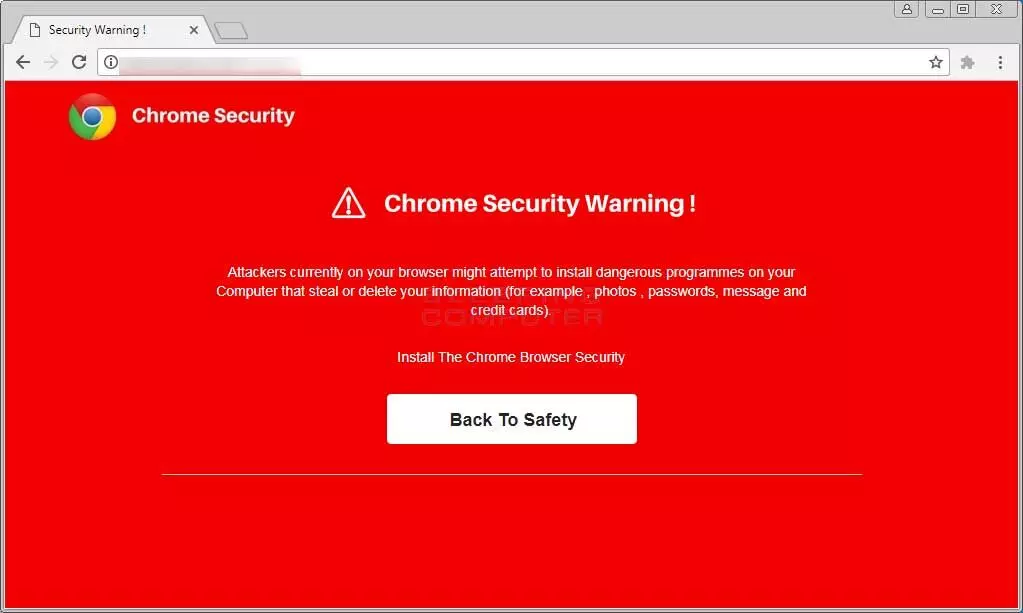
It's been identified as CVE-2026-2441. vulnerability is a bug that allows users to use after free
within the web browser's Chrome zero-day CVE-2026-2441. It was discovered by an
independent researcher Shaheen Fazim only 5 days earlier on the 11th of February 2026.
The company has disclosed the problem in its most recent Stable Channel update highlighting
the possibility of exploits and advising users to upgrade immediately to avoid risk.
Chrome versions that were not updated with Google Chrome security patch are still vulnerable
to attacks on remote code execution which could allow attackers to exploit vulnerability to
memory loss and execute any malware through malicious web pages.
Use-after-free vulnerabilities like this one typically result from poor lifecycle management of
objects in rendering engines, which allows free memory to be accessed after deallocation.
Wild attackers have weaponized CVE-2026-2441, possibly linking it to other primitives to
escape sandboxes and privilege increase in Windows, macOS, and Linux systems. Google kept
the full information about the bug until users have updated and adhered to its policy to prevent
flaws from being exploited.
Companies should prioritise the patching of Chrome deployments, and look for signs of
compromise, such as abnormal network traffic Google websites, as well as then monitor CISA's
catalog of known exploited vulnerabilities for advisories from the federal government.
This is the second CERT-In Chrome warning India, which highlights the ongoing challenges
to rendering engine security in the wake of increasing threats from the nation state and financial
motives that target browsers.
There are no specific IOCs are yet available, however threat actors might spread exploits through
websites that are compromised or phishing.





