

How to Secure Your Small Business with Smart Surveillance
Protect your investment. Learn proven strategies to use security cameras for maximum small business protection against theft and liability.
image for illustrative purpose
Security cameras are not just mechanisms of documenting; they are the core pillars of proactive safeguarding of companies. The appropriate surveillance plan could prevent theft, discourage malpractices, and offer vital evidence in case of any incursion in small businesses. The right camera types and their strategic placement in your premiser would guarantee safety and efficiency in operations. Risk knowledge: This knowledge will enable businesses to make good investments in security technology by understanding risk points, coverage requirements, and monitoring possibilities. This article presents realistic strategies to ensure the utmost protection to small businesses and optimization of its daily activities.
Evaluate Your Business Map and Organizational Risk Areas
Find High-Risk Areas: Cash Points, Entrances, and Stock Rooms
Each business has more susceptible areas to theft or accidents like in cash registers, entrance or storage. By determining these zones, owners can identify the areas that they should focus on cameras to deter as much as possible and also see as much as possible. In the high-risk areas, there ought to be cameras that record clear facial features, transactions, or access events. Some of the things that affect effectiveness are lighting, layout and possible blind spots and some changes might need to be made so that the areas best covered are covered. A frequent review of these areas can make sure that the system is adjusted to the changes in operations and emerging risk areas.
Map Areas When a Given Fixed View Is Inadequate
Some of the spaces like open sales floors, long aisles or reception areas cannot be sufficiently covered by one fixed camera. Blind spots may cause certain significant areas to be left unseen and this decreases the effectiveness of the surveillance system. The mapping of these areas will assist in identifying the need to have more cameras or more adaptable solutions. Wide angle lensed cameras or motorized movements can be used to fill a gap without making the system too complex. This planning is done to prevent the exposure to risks, as there would be no missing of an area that holds a lot of significance.
Select Cameras Which Are Proactively Protective of Your Holdings
Mounted Surveillance of Areas of Major Concern
CCTV cameras are dependable in patrolling high priority areas. Their focus never changes and therefore makes sure that entrances, cash points or stock areas are always well captured in a clear manner. These cameras need minimum setup and offer always reliable evidence in case of incidence. The lighting and reflection and other possible sources of obstructions must be put into consideration to ensure the images remain clear. With an integration of fixed cameras with other monitoring devices, businesses are able to provide around-the-clock security in the most sensitive parts without wasting time.
When You Have Multiple Vantage Points to Be Observed With One Camera
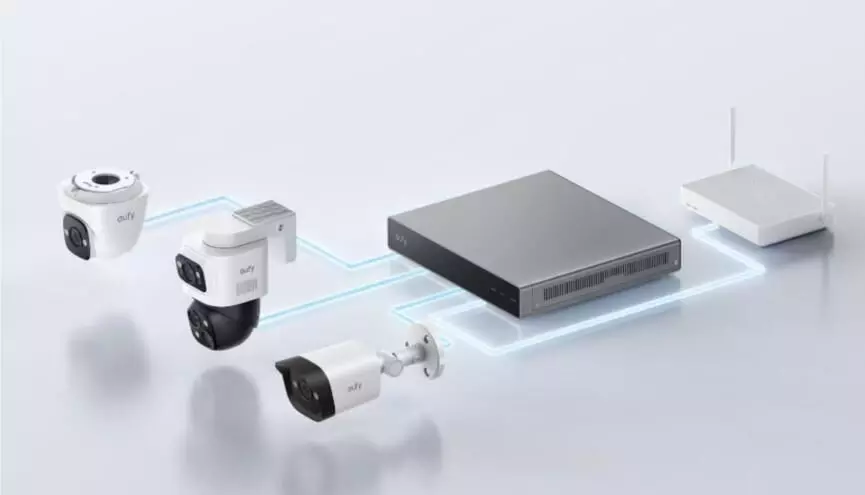
One PTZ camera can have a great ability in covering a huge or irregular space where several angles are required. It has motorized pan and tilt, as well as zoom features that enable real-time changes to view various areas without the need to install more than one device. An example is an eufy PTZ security camera that can give detailed shots in sales floors, entrances and storage areas at a lower cost in both hardware and maintenance. The methodology enables small business owners with flexibility, to act fast in case of suspicion, and make the most out of surveillance without complexity of network infrastructure. Careful consideration of such cameras will provide coverage and efficiency in the daily operations.
Apply Proactive Monitoring for Real-Time Protection
Prepare Post Guards to Work After Hours
Theft, vandalism and unauthorized access may be avoided by after hours monitoring. Efficacious surveillance that uses cameras that facilitate automatic patrols or preset movement may simulate activity and scare off possible intruders. The connection of these patrols and motion detection is that any suspicious activity will be notified instantaneously. The various patrol patterns at various times are scheduled to ensure that there are no routine patterns that are predictable which makes the security better. The advantages of proactive monitoring include minimizing the use of human resources and the level of protection is high.
Use Remote Control to Survey Suspicious Activity
Remote monitoring provides an opportunity to assess alerts without being on physical location. Live viewing and adjustable cameras can be used to determine genuine issues and false alarms. The zooming in and changing angles give better view of the activity that is unexpected and enhances situational awareness. This flexibility is suitable in business where an operator has multiple entry points or outdoor space, as they can react fast and efficiently. Remote control coupled with automated alerts will guarantee speed and accuracy in the response to possible threats.
Optimize Your System to Be Secure and Operational
Record Incidents in Documents With Detailed Evidence
Security cameras can offer greater prevention that they leave dependable records against liability and incident remedy. Higher-resolution shots ensure that important detail, e.g. face, license plate or contact, has been captured. Video can be properly stored and labeled thus, when an incident occurs, it is easily retrieved and time was saved and the disputes were minimized. The supporting of the orderly archives helps in claims insurance and regulation adherence. Proper documentation enhances the validity of business activities besides securing assets and human resource.
Track Customer Movement and Personnel Productivity
In addition to security, cameras may give information about the operations of the business on a daily basis. Tracking customer traffic enables layouts, checkout points and staffing to be optimized. Tracking employee output does not require obtrusive supervision to indicate the areas where staff need training or point to inefficient workflow. The cameras should be located in strategic positions and can perform two roles of improving operations and monitoring safety. Using the surveillance information optimally, the businesses are able to attain security as well as operational intelligence through the same system.
Conclusion
An efficient prevention, detection, and operational insight at the small business level ensures a balance of small business surveillance. The main attributes of a stable operating system are proper risk area estimation, careful camera choice, and active control. The combination of such flexible solutions as a PTZ camera will ensure that the large areas can be covered without an unnecessary amount of hardware and the detailed and real-time observation will be provided. The system will be relevant as the business expands or the layout is adjusted by regular assessment, optimization, and maintenance. Using these strategies, those who own small businesses are able to secure their assets, safeguarded employees and promote efficient operations by intelligent surveillance planning.





