

How Marine Engines are Changing Maritime Performance
Innovations in marine engine technology are driving efficiency, sustainability, and enhanced performance across modern maritime operations.
Advanced marine engines are transforming maritime performance by improving fuel efficiency, reducing emissions, and powering the future of sustainable global shipping.
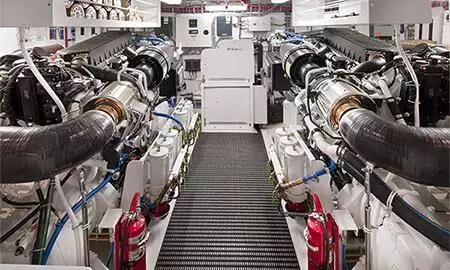
Transformation Is Underway
The shipping industry is witnessing some tremendous transformation. The improvements in the engineering process, the rise in fuel efficiency, and the increased performances expected from ships and machinery must not be overlooked by everyone involved with shipping processes. No matter what size your marine company is, you must pay close attention to these transformations.
The transformation starts from power. For many years now, the diesel engine has been relied upon to provide power for maritime transport. With its ability to produce high torque at low RPMs, this powerful machine can help in propelling vessels that require a lot of torque while transporting loads for miles. It should also be noted that the diesel engine is well known around the globe, and thus parts are easily available in most ports worldwide.
The ocean environment is experiencing rapid evolution. Regulations concerning fuel consumption and exhausts become more stringent, and shipping companies need to decrease the environmental impact of their activities without compromising the efficiency of their vessels. As a result, engineers begin considering hybrid systems and innovative approaches to the design of power plants in conjunction with conventional propulsion systems.
Training the Crew Pays Off Big-Time
Moreover, investment in crew training has gained increased importance. The best engine design will provide insufficient results in the hands of the underqualified crew. Modern and efficient marine operators consider the implementation of professional training as an essential part of improving performance. The outcome of this process consists of lower fuel use, a reduced number of technical problems, and extended periods between overhauls of the equipment.
The field of port services and offshore installations has changed as well. In many cases, vessels spend more time than usual in ports or other restricted areas at sea. Therefore, they may require an additional power source, which should not depend solely on their primary propulsion mechanism. Here comes onboard power generation. Today's silent generator has proven itself as an intelligent alternative for providing auxiliary energy in the maritime sector without any noise or exhaust emissions affecting people around or working near ports. Modern silent generators for marine applications represent compact yet powerful machines that can be a perfect choice for various vessels.
Finally, new fuel management solutions are contributing to higher efficiency in the maritime industry as well. Modern fuel management technology can help to control fuel consumption rate in real time, balance loads on the engine depending on conditions at sea, and schedule regular servicing of the vessel to prevent unexpected problems and malfunctions. It all leads to increased equipment uptime and cost savings.
Predictive maintenance technology is pushing this process to another level. With the help of predictive technology, it becomes possible for advanced marine systems to detect potential problems in the engines before they turn into failures. For operators of vessels who depend upon their movement for their business, such proactive technology is changing everything about planning and implementing maintenance.
Technological Leaps
But the true revolution in performance is taking place within the engine itself. Compared to what was available just a decade ago, modern-day marine engine technologies have made significant progress. Combustion efficiency, emission profiles, thermal management, and advanced electronics are providing performance improvements that can be easily quantified in terms of operational superiority. Faster speeds, reduced fuel consumption rates, and increased maintenance intervals make a strong case for adopting modern marine engine technologies.
When it comes to the maritime industry, those who know how to choose the best power solution prevail.





