

The Real Charm Behind Talking Cartoons (A Human Perspective)
The idea of a “AI Talking Cartoon Generator” might sound like something meant purely for kids, but the truth is, the whole concept has evolved far beyond children’s shows and animated movies.
image for illustrative purpose
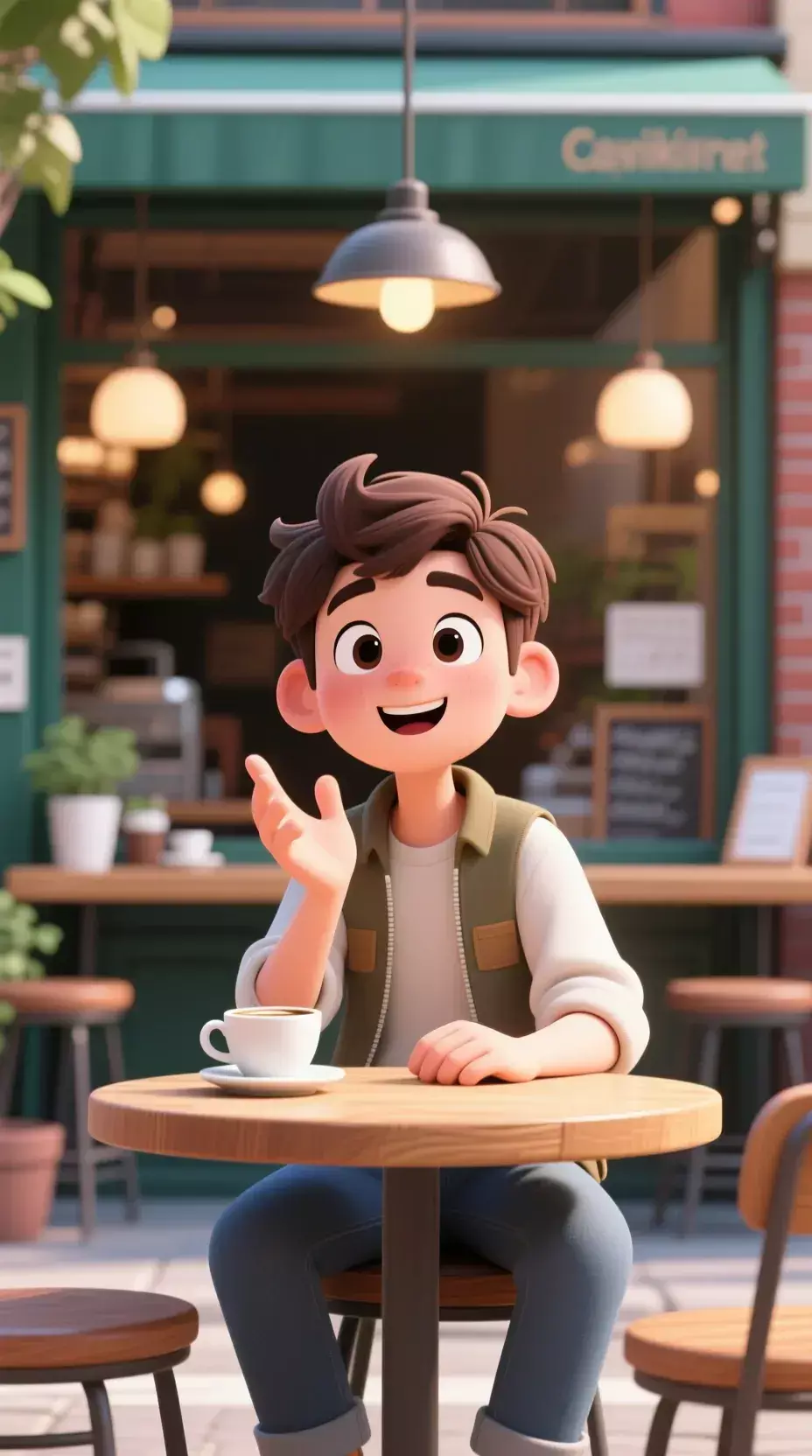
It’s funny how we grew up watching cartoons thinking they were just colorful characters jumping around on a screen. Back then, the idea of a cartoon talking for you or as you felt impossible—something only studios like Disney could dream of. But now, we’re in a time where anyone, literally anyone with a smartphone or laptop, can create a talking cartoon in minutes. I find that both exciting and a little strange, in a good way.
The idea of a “AI Talking Cartoon Generator” might sound like something meant purely for kids, but the truth is, the whole concept has evolved far beyond children’s shows and animated movies. If you’ve spent any time on YouTube, TikTok, or even corporate websites recently, you might’ve already noticed cartoon characters popping up here and there—giving instructions, telling stories, reviewing products, or simply acting as a mascot. The world didn’t vote on this shift; it just sort of happened naturally, because cartoons are comforting and familiar.
There’s something oddly disarming about a cartoon voice explaining something complicated. You don't judge the face, you don’t worry about tone, and you don’t feel pressure. You simply listen. Maybe that’s why talking cartoons are popping up everywhere.
Why Talking Cartoons Suddenly Became Popular?
It wasn’t a slow buildup. One moment the internet was full of real human faces; the next moment animated characters were all over social platforms, doing everything from narrating dramatic stories to explaining financial literacy. The rise has a few surprisingly simple reasons.
1. People are tired of being on camera
Not everyone feels confident recording themselves. Some people are camera-shy; some don’t want to dress up or set up lights; some are just tired of seeing their own face on screen. A talking cartoon becomes a playful stand-in that removes all that pressure.
2. Cartoons cut across age and culture
You don’t need to explain a cartoon. A cartoon talking to you instantly feels harmless, friendly, and familiar. It’s the closest thing we have to universal communication.
3. They’re fun
Honestly, humans love fun things—even grown adults. If we can watch a talking pigeon review smartphones or see a cartoon cat explain taxes, we will.
4. AI made it ridiculously easy
The real push came from new tools like an AI Talking Cartoon Generator, which can take a simple drawing or character and animate it into a fully speaking, expressive figure. Without tools like these, talking cartoons would still be limited to professional animators. Now, a kid can do it.
Cartoons Feel Safe—and That Matters More Than You Think
You ever notice how kids open up more to puppets or animated characters? Adults aren’t that different. Cartoons feel non-judgmental. You don’t worry about how you look, how your voice sounds, or whether your expression is awkward.
A cartoon never:
- rolls its eyes
- looks tired
- gets nervous
- takes a bad photo
- has a “bad hair day”
It’s a perfect digital version of communication—friendly, expressive, and consistent. And when that cartoon talks, suddenly it feels personal without being personal.
Different Ways People Are Using Talking Cartoons
You’d think talking cartoons are only for entertainment, but honestly, they’ve become a tool in every corner of digital life. Let me break down a few surprising uses.
1. Storytelling
People are creating mini animated episodes, narrating real-life stories, or recreating viral moments using cartoon characters. It gives the story more charm and less seriousness, even if the topic is heavy.
2. Education
Teachers use them because children pay more attention to animated characters than traditional lectures. A lesson from a cartoon robot or a friendly cartoon teacher is way more captivating than plain text.
3. Business & Branding
Companies use animated mascots:
- to explain products
- guide customers
- present tutorials
Even banking or insurance companies are doing this now because a cartoon helps soften topics that otherwise seem intimidating.
4. YouTube & TikTok Content
Creators are obsessed with cartoon avatars. It keeps their identity private while allowing them to build a recognizable brand. Plus, it’s easier to produce regular content when you don’t need to show your face.
5. Entertainment Just for Fun
People animate their pets. Their parents. Their doodles. Their memes. If you’ve ever seen a cartoon avocado complaining about Monday mornings—you know exactly what I’m talking about.
Why Talking Cartoons Connect Emotionally?
Animated characters exaggerate emotions in ways humans don’t. A tiny eyebrow lift or a big smile becomes more noticeable in a cartoon. That heightened expression makes communication clearer and more emotionally appealing.
Humans are visual creatures.
We read emotions better when they’re exaggerated.
Cartoons do exactly that:
- happier smiles
- bigger eyes
- cuter reactions
- clearer sadness
- funnier anger
This is why talking cartoons can explain things better than humans sometimes.
How Talking Cartoons Are Made (In Realistic Human Words)?
No technical jargon. Here’s the simple version:
- You choose or upload a cartoon character.
- You type the script or record your voice.
- The AI syncs the voice with mouth movements.
- The character starts talking—blinking, smiling, reacting.
- You export the video.
That’s it. No drawing tablets. No animators. No studio setup. It’s almost like lip-syncing magic.
Why This Trend Isn’t Going Away Anytime Soon?
We’re only at the beginning. In a few years, talking cartoons may replace static avatars entirely.
Here are a few things that will likely happen:
- Cartoon avatars will run YouTube channels on autopilot.
- Businesses will use them instead of human presenters.
- Students will learn languages from animated tutors.
- Games will auto-generate talking characters from user drawings.
- Brands will have cartoon personalities instead of human models.
We’re slowly entering a world where your online presence might not even be your real face—it might be your animated self.
The Emotional Side No One Talks About
This part isn't technical at all—it’s human.
Talking cartoons remind us of childhood.
They remind us of simpler times.
They remind us of creativity, imagination, and comfort.
Adults don’t get enough imagination in their lives anymore.
Talking cartoons bring it back.
Even businesses know this. That’s why they use mascots. Mascots feel lighter, easier, warmer. They help soften the sharp edges of corporate behavior.
Final Thoughts: Talking Cartoons Are Becoming the New Digital Voice
Whether you want to teach, sell, explain, entertain, or simply create something fun, talking cartoons offer a fresh way to communicate. They’re playful but powerful. Simple yet expressive. And most importantly—they connect with people in a way that feels honest, friendly, and approachable.
With AI tools making animation so accessible, talking cartoons are no longer limited to professional studios. They’re for everyone now: creators, kids, teachers, business owners, or just anyone who wants to bring a character to life.





