

Tech Leaks: Apple reportedly working on an AI-powered wearable
Apple is reportedly developing an AI-powered wearable pin with cameras and microphones, signaling its entry into the AI hardware race alongside OpenAI.
Apple to launch AI wearable
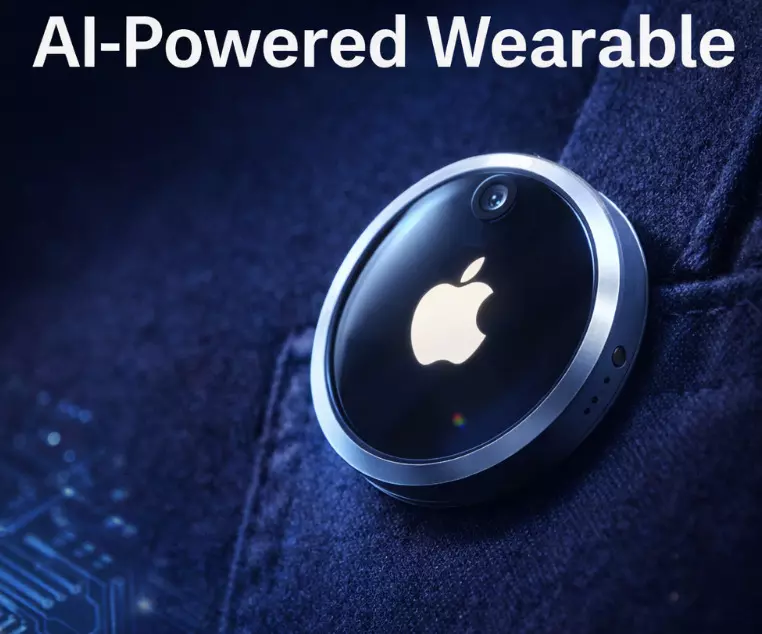
Apple is reportedly working on an AI-powered wearable pin equipped with cameras and microphones, signaling its entry into the emerging AI hardware race. If launched, the device could position Apple as a direct competitor to OpenAI’s anticipated consumer AI hardware.
Apple may be preparing to enter the fast-heating AI hardware market with a wearable device that blends artificial intelligence, sensors, and minimalist design. According to a report by The Information, the iPhone maker is developing an AI-powered wearable pin that users can attach to their clothing, potentially marking Apple’s most ambitious push into AI-first consumer hardware to date.
If the device reaches the market, it would underscore how major technology companies are moving beyond software-based AI assistants and into physical products designed to integrate seamlessly into everyday life. The reported development comes just days after OpenAI hinted that it would unveil its first AI hardware product later this year, intensifying competition in what could become the next major consumer tech category.
A wearable pin designed for AI-first interaction
According to the report, Apple’s AI wearable is envisioned as a small pin that users can clip onto their clothing. The device is described as a “thin, flat, circular disc” with an aluminum-and-glass exterior, roughly the size of an AirTag but slightly thicker. Unlike Apple’s existing wearables such as the Apple Watch or AirPods, this device would be purpose-built around AI interaction rather than fitness or audio playback.
The pin is said to feature two cameras—one standard lens and one wide-angle—along with three microphones designed to capture environmental audio and voice commands. The inclusion of multiple microphones suggests advanced voice recognition and contextual awareness, enabling the device to function as an always-available AI assistant.
In addition to its cameras and microphones, the wearable is expected to include a physical button, a built-in speaker, and a charging strip on the back similar to those found on fitness trackers like Fitbit devices. Together, these components indicate that Apple is exploring a hands-free, screenless approach to AI interaction.
Apple’s potential response to OpenAI’s hardware plans
The reported project comes at a time when the AI hardware space is beginning to take shape. Earlier this week, OpenAI’s Chief Global Affairs Officer Chris Lehane told attendees at the World Economic Forum in Davos that the company is likely to announce its first AI hardware product in the second half of this year. Separate reports suggest OpenAI’s device could take the form of AI-powered earbuds.
Apple’s wearable pin, if released, would place the company in direct competition with OpenAI and other firms seeking to define how consumers interact with AI beyond smartphones and computers. The Information report suggests that Apple may be attempting to accelerate development of the device in order to avoid falling behind rivals in this emerging category.
While the wearable is reportedly still in development, engineers are said to be targeting a potential release around 2027, with ambitions of producing as many as 20 million units at launch. Such scale would reflect Apple’s confidence in mass-market demand—if the company ultimately decides to move forward.
The broader AI hardware race
The idea of AI-first hardware has gained momentum as generative AI tools become more capable and conversational. Companies are increasingly questioning whether smartphones are the ideal interface for AI assistants, or whether new form factors could offer more natural and continuous interaction.
An AI pin could, in theory, allow users to ask questions, receive contextual information, capture images, or record notes without pulling out a phone. Cameras could help the AI understand what the user is seeing, while microphones could provide constant awareness of spoken commands and ambient sound.
Apple’s strength in hardware design, custom silicon, and ecosystem integration could give it an edge in this space. Unlike startups, Apple can tightly integrate AI wearables with iPhones, Macs, Apple Watches, and cloud services, creating a unified user experience. Its emphasis on privacy and on-device processing could also appeal to consumers wary of always-on cameras and microphones.
Lessons from past failures
Despite the promise, the market for AI wearables remains unproven. A notable cautionary tale is Humane AI, a startup founded by former Apple employees that launched its own AI pin. Humane’s device also featured microphones and a camera and was marketed as a screen-free alternative to smartphones.
However, the product struggled with performance issues, unclear use cases, and lukewarm consumer reception. Within two years of launching its AI pin, Humane shut down operations and sold its assets to HP. The failure highlighted the challenges of convincing consumers to adopt entirely new hardware categories—especially when smartphones already perform many AI-related tasks.
This history raises an important question for Apple: even if the technology works, will consumers want to wear an AI pin every day?
Consumer demand remains uncertain
Apple’s brand power and ecosystem loyalty may give it a better chance than smaller startups, but the fundamental challenge remains the same. For an AI wearable to succeed, it must deliver clear, consistent value that goes beyond what users already get from their phones, watches, or earbuds.
Privacy concerns could also play a major role. A device equipped with cameras and microphones that is worn in public may raise ethical and social questions, not only for users but also for those around them. Apple would likely need to implement visible indicators, strong privacy controls, and clear messaging to address these concerns.
Pricing will be another key factor. Apple products often command a premium, and consumers may hesitate to invest in an expensive AI device unless its benefits are immediately obvious and compelling.
Apple’s AI strategy takes shape
The reported wearable pin fits into a broader narrative of Apple accelerating its AI efforts. While Apple has historically taken a cautious approach to AI compared to rivals like Google, Microsoft, and OpenAI, recent moves suggest a shift toward more visible AI integration across its products.
An AI wearable could serve as both a technological showcase and a strategic signal that Apple intends to compete aggressively in the next phase of AI evolution—not just through software features, but through new hardware experiences.
For now, Apple has not publicly confirmed the project, and TechCrunch and other outlets report that the company declined to comment. As with many Apple rumors, the device could evolve significantly—or be shelved altogether—before reaching consumers.
What comes next
If Apple does bring an AI wearable pin to market, it could redefine how people interact with artificial intelligence in their daily lives. But the path forward is far from guaranteed. Success will depend on execution, clarity of purpose, and whether Apple can avoid the pitfalls that derailed earlier AI hardware attempts.
As OpenAI, Apple, and others race to shape the future of AI hardware, the next few years are likely to determine whether AI wearables become a mainstream category—or remain an intriguing but niche experiment.





