

How Meta, Google, Microsoft, and OpenAI truly compare
AI platforms are competing for publisher partnerships. Digiday ranks Google, Meta, Microsoft and OpenAI based on payments, access, transparency and publisher control.
AI platforms publishers are betting on and how Meta, Google, Microsoft, and OpenAI stack up
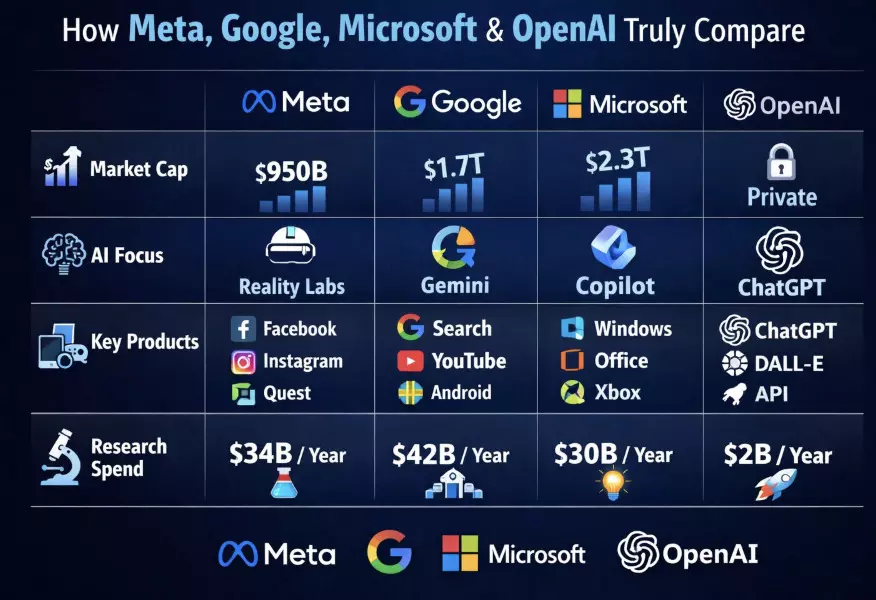
As AI content licensing accelerates, publishers now have more options than ever. A new Digiday analysis ranks leading AI platforms by how well they partner with publishers, from payments and access to transparency and control.
Two years after OpenAI struck its first high-profile content licensing deal with Axel Springer, the market for AI platforms working with publishers has expanded rapidly. What was once a limited and uncertain landscape has turned into a competitive arena, giving publishers more leverage and choice.
According to Digiday editors Jessica Davies and Sara Guaglione, 2025 marked a turning point. Early deals with AI companies were viewed with skepticism and concern, particularly around content scraping and compensation. Over the past year, however, publishers have seen meaningful movement, including clearer commercial terms, pilot programs, and more structured partnerships.
This surge in activity has created what Davies describes as an “open season” for publishers able to negotiate licensing arrangements. With more AI platforms vying for high-quality news and editorial content, publishers can now compare options rather than accept one-sided deals.
Google remains one of the most contentious players. While it continues to draw criticism from publishers, the company has launched several partnership pilots that test AI features within Google News. Toward the end of 2025, Google also pledged improved linking in AI-powered search experiences, an issue central to publisher traffic concerns.
Meta has taken a different approach. Some publishers with licensing agreements are blocking Meta’s web crawler while directly supplying content via server-to-server connections. This model benefits Meta by delivering faster, cleaner data, while allowing publishers greater control over how and when their content is accessed.
Microsoft has generated significant interest among publishing executives, largely due to its scale and enterprise relationships. However, according to Guaglione, many of the offerings discussed with publishers have yet to fully materialize, leaving some uncertainty despite strong early enthusiasm.
OpenAI, often criticized publicly for scraping content without permission, tells a more nuanced story behind closed doors. While lawsuits and criticism dominate headlines, publishers involved in formal partnerships say OpenAI is paying substantial licensing fees, making it one of the more commercially attractive players.
Overall, Digiday’s scorecard reflects a maturing AI-publisher ecosystem where competition, transparency and payment structures increasingly matter. As more platforms enter the space, publishers are no longer just defending their content — they are actively shaping how AI companies access and value it.





