

AudioConvert as an Advanced audio to text converter for Systematic Workflow Optimization
When users first adopt an audio to text converter, the most immediate expectation is accuracy under unpredictable conditions.
image for illustrative purpose
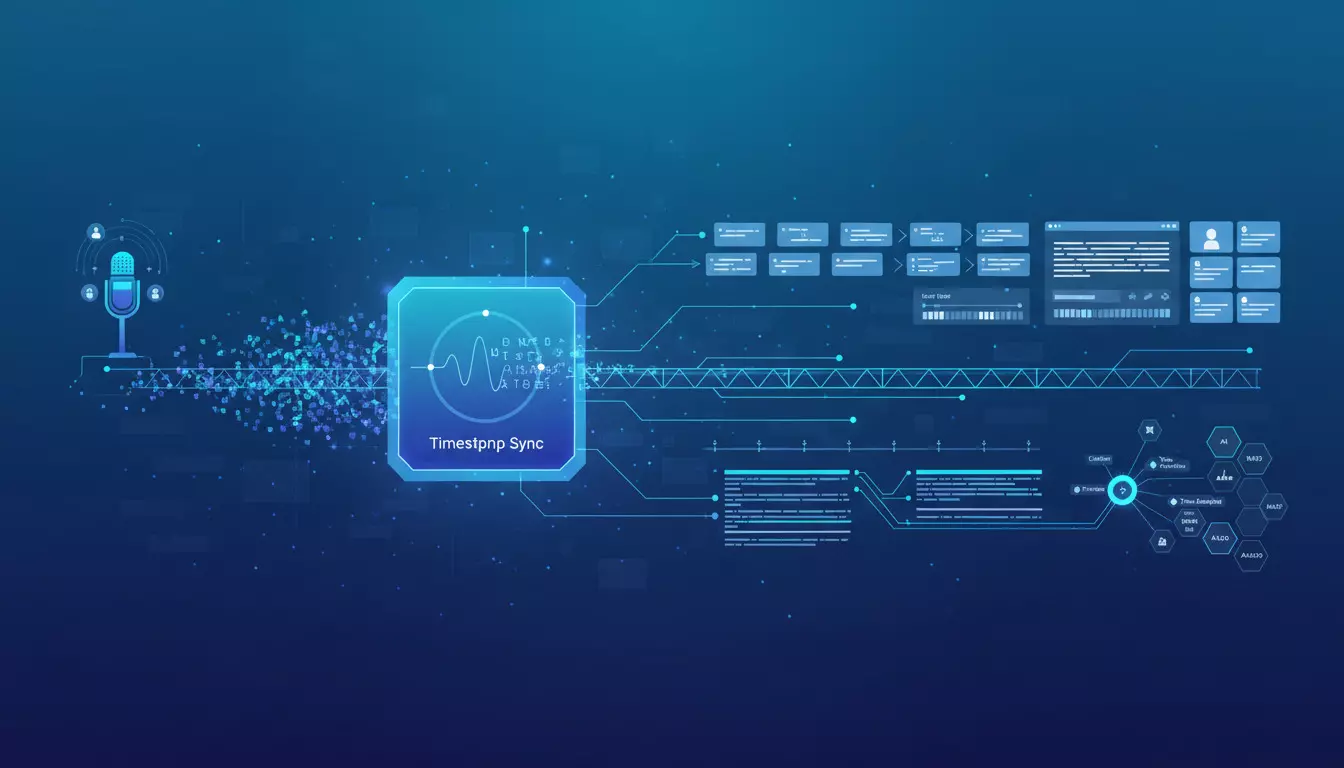
Audio transcription is increasingly becoming the foundation for digital content workflows across industries. Teams require accuracy, structured output, and predictable processing to keep production cycles stable. A modern transcription engine reshapes how information moves across research, content creation, and enterprise operations. This article explores how a well-designed conversion system elevates reliability in every stage of audio-driven work.
Understanding the Strategic Role of a Conversion Engine
Why a Robust Transcription Core Determines Workflow Stability
When users first adopt an audio to text converter, the most immediate expectation is accuracy under unpredictable conditions. Real-life audio rarely fits laboratory standards. There are background sounds, moving speakers, and natural speech imperfections. AudioConvert is built for these environments. Its recognition pipelines interpret natural phrasing with stable consistency, preserving context and meaning while minimizing lost segments. Stability in transcription translates directly into stability in downstream tasks. When the core is reliable, users can trust that their editorial, documentation, or analytical processes will begin on solid ground.
How Interface Consistency Reduces Operational Overhead
A well-organized interface becomes an operational advantage. AudioConvert keeps the workflow linear, avoiding unnecessary branching. Upload, review, edit, and export follow a predictable pattern. The benefit is psychological as much as technical. Users handle large volumes of content with less fatigue, and teams experience fewer variation errors. This predictability means managers can establish standard operating procedures without worrying about tool-induced inconsistencies. The result is an ecosystem where people focus on content rather than logistics.
Applying AudioConvert in Real Production Environments
Transforming Long-Form Audio into Structured Written Assets
Podcasts, lectures, and extended interviews generate dense information. Without a transcription engine, extracting value from long files becomes time-consuming. AudioConvert reorganizes these recordings into timestamped text segments, making it easier for creators to navigate ideas, identify themes, and develop polished materials. The structure encourages a more disciplined production rhythm. Long-form creators often revise scripts, prepare derivative content, or plan distribution strategies directly from the converted text. Over time, this workflow creates a more coherent content pipeline that supports both creativity and scale.
Improving Interview-Based Research with Direct Text Access
Researchers depend on clarity. Interviews often contain subtle cues, layered arguments, and emotional tone that require careful study. Manually reviewing long audio fragments slows analysis. With AudioConvert, each spoken segment receives a clear text anchor. Analysts can revisit arguments instantly and follow the logic of a conversation without replaying entire files. The workflow mirrors a disciplined research method and encourages a deeper understanding of content. For multi-part studies or longitudinal projects, this level of structure becomes indispensable.
Leveraging Supporting Tools to Enhance Text Quality
Strengthening Editorial Refinement Through Automated Quality Checks
After audio has been converted into text, creators frequently refine the content for publication, clarity, or stylistic alignment. This is where analytical tools such as an ai checker contribute to the workflow. Instead of correcting transcription accuracy, the checker focuses on tonality, coherence, and structure, allowing creators to elevate raw dialogue into professional-grade text. This pairing of transcription and refinement forms an efficient editorial process where spoken material matures into clear, organized writing suitable for articles, reports, or scripts.
Turning Converted Text into Sustainable Knowledge Resources
In organizational settings, repeated transcription builds a long-term knowledge base. Meetings, consultations, and strategy discussions become searchable archives. AudioConvert enhances this process by delivering consistent text structures across files. When each transcription follows the same logic and formatting, teams can tag themes, build internal references, and surface historical insights more easily. This consistency creates a compounding benefit over months of usage. The text does not simply document a moment; it becomes part of an evolving institutional memory.
Operational Advantages that Drive Enterprise Adaptation
Unified Processing for Multi-Format Audio and Video
Teams rarely deal with a single media type. They encounter videos from training sessions, voice messages from clients, and audio logs from field operations. AudioConvert supports these varied formats within a unified workflow. Users no longer need separate tools or conversion steps, reducing the risk of lost metadata and formatting discrepancies. A single controlled workflow improves accuracy, reduces delays, and maintains consistent output across departments.
Timestamp Precision as a Cross-Disciplinary Requirement
Precise timing creates clarity beyond basic transcription. Journalists use timestamps to verify quotes. Compliance teams use them to validate procedures. Educators use them for segmenting lectures. AudioConvert delivers each line with second-level accuracy, giving the text a structural anchor that ensures transparency. This level of precision builds trust internally and externally, positioning the converted text as a reliable record rather than a loose approximation of spoken content.
Editorial Predictability as a Productivity Multiplier
When transcription output maintains a stable structure, editors work faster. They can apply consistent rules for trimming verbal fillers, annotating sections, or preparing publication-ready excerpts. AudioConvert produces drafts that follow recognizable patterns, enabling editors to develop templates for repeated tasks. Over time, this removes many micro-decisions from the process, saving hours for each project and giving teams a measurable productivity advantage.
Strategic Expansion with Scalable Audio Conversion Platforms
Adapting the Conversion Engine to Future Content Needs
Organizations and creators evolve. What starts as a simple need for transcription may gradually expand into multilingual support, deeper analysis capabilities, or collaborative editing. Because AudioConvert is modular, these expanded needs can be met without reconstructing the workflow. Users maintain the same interface and export options while benefiting from ongoing platform improvements. The tool becomes a long-term asset instead of a temporary utility.
Increasing Publication Velocity Through Faster Processing Cycles
Speed is synonymous with competitiveness. Being able to convert, edit, and publish content quickly allows teams to respond to opportunities faster than competitors. AudioConvert shortens each step of the cycle by removing hidden operational friction. Over the span of a year, these small efficiencies accumulate into significant output gains. The difference is especially clear in industries where timing directly impacts audience reach or commercial performance.
Enhancing Quality Control Without Increasing Labor
Accuracy often comes at the cost of extra review time. AudioConvert counters this trade-off by producing stable drafts that minimize structural errors. Reviewers can focus on meaning, clarity, and interpretation rather than basic correction. This reduces cognitive load and keeps labor requirements steady even as project volume increases. For teams handling continuous transcription tasks, the ability to scale without expanding personnel is a substantial operational advantage.
Conclusion
A modern audio to text converter is not only a transcription tool; it is a structural component in digital content ecosystems. AudioConvert supports this role by offering reliable recognition, predictable workflows, clean interfaces, and adaptable expansion paths. As organizations continue to integrate audio into documentation, communication, and creative processes, structured conversion becomes essential to maintaining clarity and efficiency. AudioConvert provides a dependable foundation for these evolving needs, allowing professionals to convert spoken content into meaningful, actionable text with precision and confidence.





