

7 Features Google Pixel Must Borrow From Apple and Samsung Now
Pixel 10 Pro users want Photographic Styles, pop-up apps, automation, and improved media controls in Android 16.
image for illustrative purpose
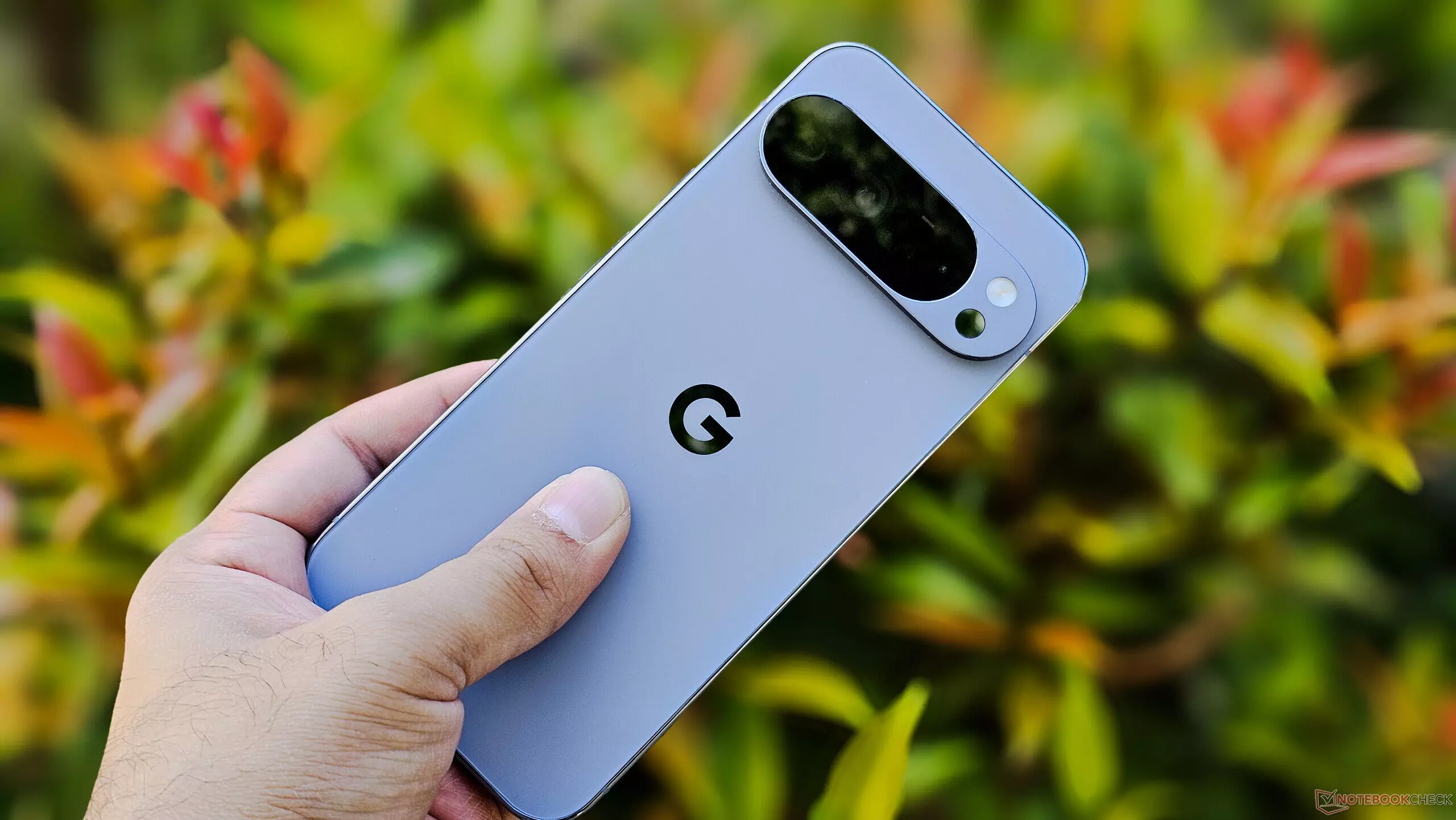
Google’s Pixel smartphones still manage to capture the spotlight due to their distinct Android experience, but there is a group of users who think that the devices could be improved through the introduction of functionalities that other brands have already popularized. Multitasking improvements and audio controls that are more fine-tuned are among the things that Pixel owners are pointing out as areas where Google could possibly come up with new ideas and innovations.
Individual app volume control is one of the things users request the most. For the majority of users, it is quite annoying when the volume of a game or a social media video goes up suddenly and drowns out their own music or film. While Google’s current system does not permit such a thing, Samsung’s, OnePlus' and Motorola's Android skins give users the option to alter the volume of each application separately thus allowing the uninterrupted media playback without the use of third-party applications.
Besides the individual app volume control, one more audio improvement has been asked for by the users, and that is the ability to play media using the volume buttons, even when the screen is turned off. Some devices offer a simple yet effective way for people who are wearing gloves or avoiding touchscreen gestures to skip tracks by pressing and holding the button. This feature is considered especially useful in cold areas where people prefer to stay covered up.
Photography is another area of improvement that is highly desired. Google Photos does not offer the option of default photo styles setting while Apple’s Photographic Styles on iPhone automatically apply the user’s preferred tones to every image and keep them editable post-capture. Pixel users regard this as a means of making photo customization less painful and presenting a unique aspect to pictures.
Another request made by the Pixel community is for enhanced widget functionality. Widget stacks that the users found in One UI and iOS can group multiple widgets and users can then scroll through the widgets on the home screen. According to the users, this not only adds to the accessibility of the calendar, weather, and media controls but it also cuts down on the clutter, which is a feature that many foresee Google adopting in its future updates.
Live Updates in Android 16 have been viewed as novel but not up to par with some users' expectations. One of the criticisms received is the inability to control media playing through notifications, which is a characteristic of Apple's Dynamic Island and some Android skins. Even though users have to use sticky notifications, still, the suggested functionality could ease the control of media on-the-go.
The Power of Automation in Pixel Devices is yet to be realized to its full extent. Google's “Rules” feature that is triggered by either location or Wi-Fi only changes the sound profiles while the other two, Samsung Routines and Apple Shortcuts, are offering a lot more with their extensive triggers and actions on devices, earbuds, and smart accessories. Automation enhancement would definitely lessen the use of third-party apps and add daily usability.
Freeform or pop-up apps are another area of disadvantage. Although Android has had freeform windows support since 7.0, Google has still not introduced them to mobile phones. For those users that are used to multitasking on Samsung and Motorola phones, pop-up windows are already considered a must-have feature for working efficiency.
Moreover, gesture-based controls are still a feature that distinguishes brands like Motorola from the competition, as simply flicking the wrist or chopping twice can start the camera or turn on the light. The double-tap back feature in the Pixel exists but it is not reliable, thus users are left wanting more gesture options and accuracy.
With these proposals, the Pixel devices are still very much in demand for their compatibility with Android 16 and the Pixel ecosystem. The consumers state that permitting these features could make the devices more versatile, thus providing the best of different worlds while still having the advantage of Android’s open platform.





