

2025 Recap: Top 5 Smartphone Trends That Shaped the Year
From 7000mAh batteries and compact flagships to AI-powered phones and rising flagship prices, here are the top five smartphone trends that defined 2025.
Top smartphone trends of 2025 including bigger batteries, AI features and gaming phones
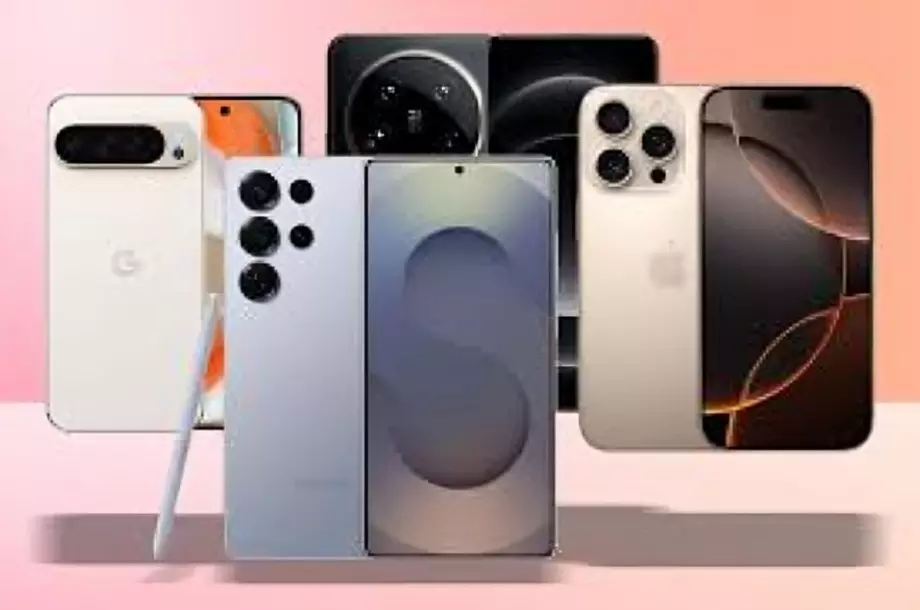
The smartphone industry underwent drastic changes in 2025. In which, mobile phone manufacturing up to the next level with high battery capacity along with small shoots, devices concentrating on gaming, AI automation, and increasing flagship prices characterized the year as the one of innovation and experimentation. Here are the five major trends that defined the smartphone industry in 2025 in detail.
1. Bigger Batteries: 7000mAh Becomes a Standard
The problem of battery anxiety has now been reduced to a bare minimum. The 5000mAh limit which was once seen as extremely generous was now totally surpassed in 2025 with the approval of the big battery which was not only mid-range and high-end but all smartphones. The silicon-carbon tech innovations allowed the companies to install bigger batteries without the noticeable weight increase.
- Vivo T4: 7300mAh (from 5000mAh in T3)
- Oppo K13: 7000mAh (from 5500mAh)
- iQOO Neo 10: 7000mAh
- Poco F7: 7550mAh
- OnePlus Nord CE5: 7100mAh
At the end of the year, Oppo's Find X9 and Realme's GT 8 Pro series went beyond the 7000mAh battery limit with ease. There are already speculations regarding 15,000mAh batteries coming in 2026, which may point toward a time when carrying power banks might not be necessary at all.
2. Compact Smartphones Make a Comeback
2025 was a year for the return of the compact smartphones after the long period of oversized devices. Compactness was one of the main features that brands focused on in their new releases–no performance sacrifice, just with all the features:
- OnePlus 13s
- Vivo X200 FE
- iPhone Air
- Samsung S25 Edge
Consumers get a smaller size but still get a premium quality that is suited to those who want convenience and ergonomic factors instead of giant displays.
3. Gaming Phones Go Mainstream
Mobile gaming reached the peak in 2025 and India became the largest gaming country with 500 million gamers. Manufacturers were quick to introduce their best-in-class gaming phones with many relevant and new features:
- Larger cooling fans and vapor chambers
- Shoulder triggers and RGB lighting
- 144Hz to 165Hz high Refresh Rate - screens
Among the top gaming devices were the Oppo K13 Turbo, iQOO 15, OnePlus 15, and Realme GT 8 Pro. Apple even put a vapor chamber cooling system into the iPhone 17 Pro which shows that the mobile gaming sector is becoming more and more important.
4. AI Evolves from Assistant to Autopilot
2025 was the year of AI emergence from hype to actual utility. The smartphones made use of the agentic AI which gave the devices the ability to see through the users:
- In-call voice translation on-device
- Summarization of meetings and processing of documents at the same time
- Smarter photo editing tools
- Reminders based on context
Major examples: Google Pixel 10 series with Gemini Live and Magic Cue, and Samsung Galaxy S25 Ultra with Galaxy AI. Apple was not very active on the AI side but 2026 might be the year when Cupertino advances its AI projects.
5. Flagship Price Hikes
Luxury smartphones increased in price significantly in 2025, with different models showing price rise from 15% to 30%:
- Realme GT 8 Pro: ₹59,999 → ₹72,999
- iQOO flagship: Nearly ₹18,000 increase
- Oppo Find X9 Pro: ₹1,09,999
- Vivo X300 Pro series: Comparable increases
- Apple iPhone 17 series:
- iPhone 17: ₹82,900
- iPhone 17 Pro: ₹1,34,900
- iPhone 17 Pro Max: ₹1,49,900
These price increases indicate that prices of raw materials are going up, integration of new technology, and positioned as premium smartphones in 2025.
Conclusion
The smartphone industry has witnessed bold experimentations in the year 2025, which includes high-performance batteries and compact designs, gaming capabilities, AI-driven logistics, and rising flagship prices. These trends shall transition from 2025 to 2026 in the mobile market thereby influencing consumer demands and innovations.





