

Canada Monitors U. S. Lethal Strikes in Caribbean, Caught Between Safety and Strategy
The U. S. Air Force has executed strikes on the drug boats in the Caribbean, and Canada has been watching them closely. Besides the legal and strategic hurdles, they are still in the Operation Caribbe. Allies are concerned about the situation while debates are escalating.
image for illustrative purpose
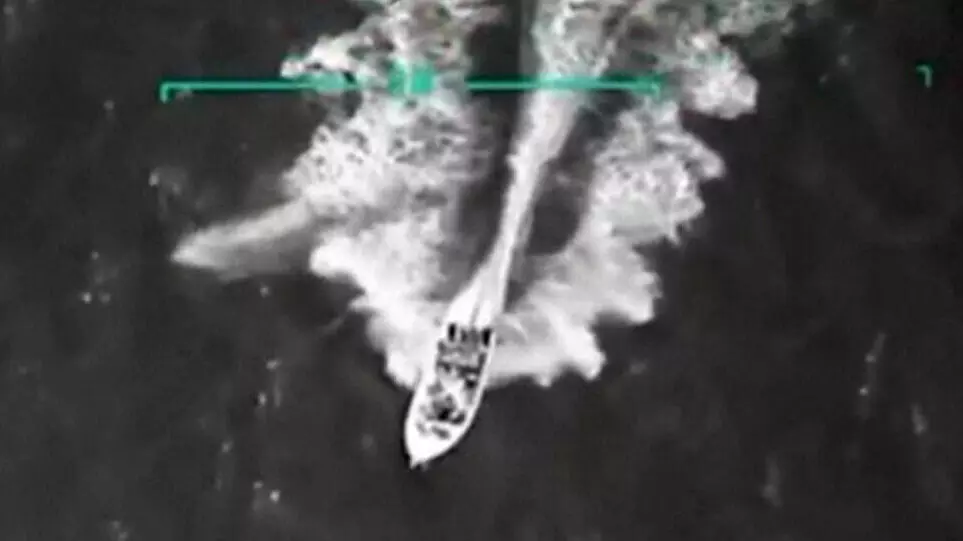
Canada Keeps Watch on Controversial U. S. Strikes in the Caribbean
While maintaining its lengthy Operation Caribbe anti-drug operation, Canada is watching very closely the lethal U. S. strikes on the alleged drug boats in the Caribbean. The Canadian government reiterates that its military is not involved in such operations, which have already resulted in over 90 casualties since the beginning of September.
A representative of the Department of National Defence (DND) remarked, “U. S. actions are as unilateral as it gets, and the CAF has no part in it. Canada is still keeping a very close eye on the situation.” Operation Caribbe, which is the Canadian Coast Guard’s interdiction by sea of drug shipments, has nothing to do with U. S. Air Force strikes although it is still running in conjunction with the Coast Guard since 2006.
However, experts think that Canada has to deal with a very sensitive situation. Rob Huebert, who is a Head of the Centre for Military, Security and Strategic Studies at the University of Calgary, explains that the situation puts Ottawa in the toughest position: either to keep the collaboration with the U. S. or to face the consequences of leaving Canada unprotected against drug trafficking.
“The Canadian government is rightly cautious to make sure Canadians are not caught up in illegal actions, but at the same time it wants to maintain operational cooperation,” Huebert said. The issue is not limited to allies only; the UK and Colombia have stopped sharing intelligence, while France has criticized the U. S. at the G7 meetings for using force.
The U. S. strikes represent a major change in the approach to dealing with drug dealers from the sea; rather than using detention and prosecution, the Air Force now kills them. Certain instances, such as the second strike conducted off the coast of Venezuela on September 2, have raised questions about their legality and supervision. The critics say that even though the Coast Guard cooperates with Operation Caribbe, the line separating military services is not clear, as both come under the jurisdiction of the Department of War.
Huebert warns that Canada is in a tough place if it withdraws from the mission, as this would make drug interdiction less effective, whereas continuing to cooperate would mean dealing with uncertain situations and possible legal repercussions. Since its inception in 2006, Operation Caribbe has collected over 123 metric tonnes of cocaine, making it indispensable in light of the increasing drug problem in Canada.
National Defence Minister David McGuinty will have to find a path for the mission that does not invalidate the stance that Canada won’t be a party to illegal activities while still trying to maintain its strategic alliance with the U. S.
“There really isn’t a clear-cut solution,” Huebert says, his argument reflecting the difficulty of simultaneously taking into consideration the legal, operational, and diplomatic imperatives.





