

Amid global crises, India must fortify its economic core
Economic strength will depend on fiscal prudence, reduced external dependence
Amid global crises, India must fortify its economic core

In recent years, the world has been grappling with multiple uncertainties and challenges that have significantly affected economic development and caused widespread human hardship. Beginning with the COVID-19 pandemic, followed by the ongoing Russia–Ukraine war, rising US tariffs, shifting trade policies, and recurring climate disasters, the global environment has become increasingly fragile, especially for low- and middle-income countries.
With limited fiscal space and high external debt, many of these vulnerable economies are unable to allocate sufficient resources for social infrastructure and developmental projects, thereby compromising future growth prospects. Mounting fiscal deficits and debt burdens have heightened the risk of sovereign defaults unless adequate concessional finance and external assistance are made available. Debt restructuring, with longer repayment horizons, is essential to provide these countries with breathing space to navigate current challenges.
Global supply chains have also come under strain due to sanctions and restrictions on the movement of essential goods, leading to higher import costs and inflationary pressures. At the same time, currencies in fragile economies are weakening due to inadequate foreign exchange reserves, increasing the cost of imports and exacerbating external vulnerabilities. Foreign investments, both direct and portfolio, are likely to decline or flow out, further depleting reserves and increasing borrowing costs. In such situations, access to international capital markets becomes constrained, often forcing countries to seek emergency funding from institutions like the IMF and World Bank, typically accompanied by structural reform conditions.
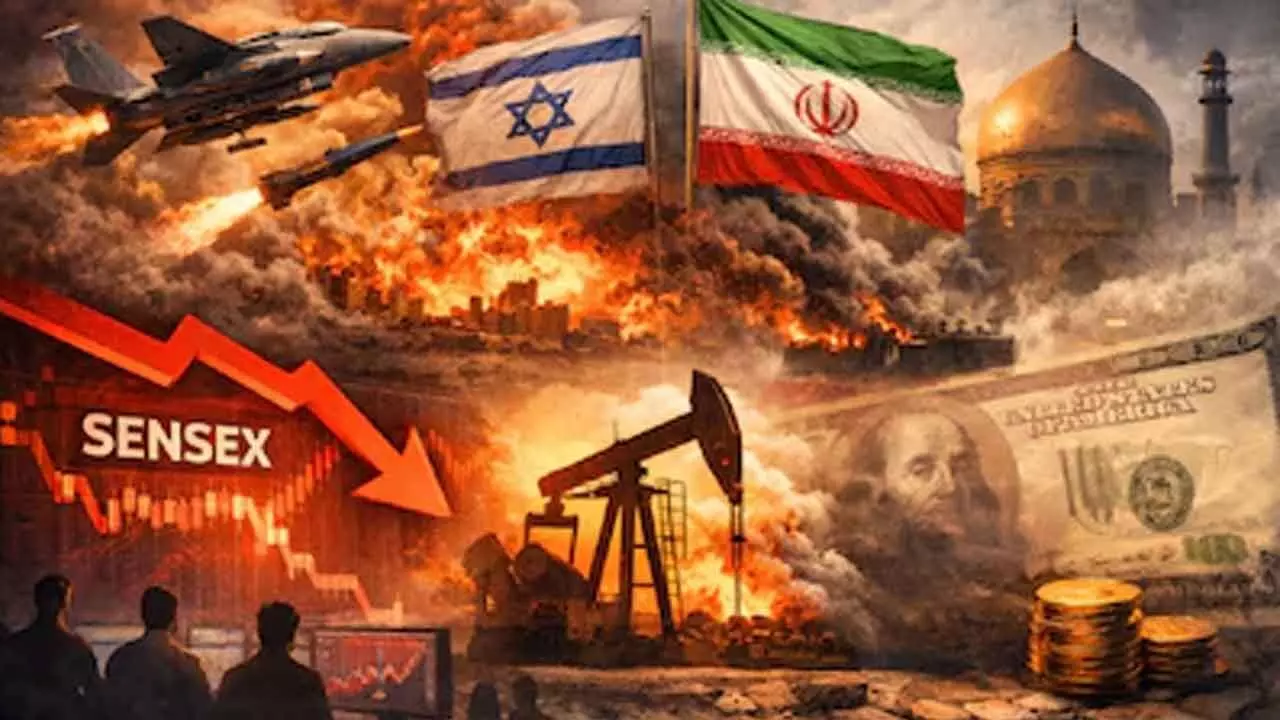
Even as the global economy was attempting to recover, the recent conflict involving Israel, the United States, and Iran has severely disrupted life in the Middle East. Critical supplies of oil, natural gas, and fertilizers have been affected, particularly due to disruptions in the Strait of Hormuz. With the conflict continuing for over a month, energy prices have surged, posing serious challenges for import-dependent countries.
Although diversifying sources of crude oil is a viable strategy, the current geopolitical situation has pushed up prices across all suppliers. Some countries may also take advantage of the situation by demanding higher prices. Earlier sanctions on Russian oil had constrained supply, although partial relaxations have recently been observed.
The COVID-19 pandemic had already highlighted the risks of overdependence on global supply chains for essential goods, including pharmaceuticals, raw materials, and technology. In response, India launched the Atmanirbhar Bharat initiative to promote domestic manufacturing and reduce import dependence.
Historically, geopolitical tensions in the Middle East have led to sharp spikes in oil prices—at times reaching $140 per barrel, placing significant pressure on India’s foreign exchange reserves. However, India’s current forex reserves of over $700 billion provide a cushion, covering more than 11 months of imports.
That said, a prolonged conflict could exert downward pressure on the Indian rupee, which has already depreciated to around ₹93–94 per US dollar. This depreciation, combined with rising import costs, is likely to fuel inflation in the coming financial year. While India has successfully brought headline inflation below the 4% target, imported inflation may reverse some of these gains. Globally all Central Banks are closely watching the development in relation to the ongoing war and consequent impact on inflation and economy so as to take corrective steps as and when needed.
Recent developments indicate that the rupee has hit new lows amid surging oil prices, with equity markets also witnessing sharp declines. According to the RBI’s latest bulletin, the Middle East conflict and fresh US trade investigations have increased volatility in global markets. Disruptions in energy supply routes and damage to key infrastructure could have long-term implications for the global economy.
The RBI’s “State of the Economy” report highlights several near-term challenges for India, including rising oil prices, currency depreciation, higher inflation, disrupted exports, increased logistics costs, and widening trade deficits. Shipping constraints, higher freight rates, and longer transit routes are further complicating trade. Additionally, disruptions in the Middle East may affect employment for Indian workers in the region, potentially impacting remittance flows, a crucial source of foreign exchange.
To address emerging risks, the Prime Minister recently convened an emergency meeting with Chief Ministers to ensure energy security and preparedness. Key focus areas included uninterrupted supply of oil and LPG, strengthening supply chains, and ensuring the safety of Indian citizens in affected regions.
The government has also taken steps to ease the burden on oil marketing companies by reducing excise duties on petrol and diesel by Rs10 per litre. While this move will not lower retail fuel prices, it will help offset losses incurred due to rising global prices. However, it is expected to result in a revenue loss of approximately Rs7,000 crore over 15 days.
In an increasingly uncertain global environment, countries must prioritise economic resilience and strategic preparedness. Strong fiscal positions, robust domestic economies, and sound political frameworks are essential to withstand recurring shocks. Overdependence on external support is unlikely to be reliable during crises, as nations tend to prioritise their own interests.
Defence preparedness has also become critical amid rising geopolitical tensions. With advancements in military technology, defence spending is increasing significantly. India’s push towards domestic defence production is a step in the right direction, reducing import dependence while creating opportunities for exports and foreign exchange earnings.
Chief Economic Adviser V. Anantha Nageswaran recently cautioned that a prolonged West Asia conflict poses significant risks to India’s growth outlook, inflation, fiscal deficit, and external balances. He emphasised the need to reprioritise spending, support vulnerable sectors, and create fiscal space for long-term strategic needs. India faces downside risks to its projected growth of 7–7.4% for 2026–27.
In conclusion, it is imperative for policymakers to reassess current strategies and build adequate buffers to mitigate potential shocks. Strengthening domestic fundamentals through reforms, enhancing self-reliance, and maintaining sound fiscal and external positions will be key to navigating global uncertainties and sustaining long-term growth.
(The author is former Chairman & Managing Director of Indian Overseas Bank)





