

UNESCO Adds Deepavali to Intangible Cultural Heritage of Humanity List
UNESCO has added Deepavali to its Intangible Cultural Heritage list, marking it as India’s 16th cultural element recognised globally. Know full details.
Deepavali Added to UNESCO Intangible Cultural Heritage List
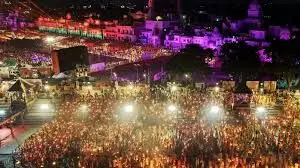
The Festival of Lights, Deepavali, which is celebrated all over the world, has been recognized by UNESCO as one of the intangible cultural heritage of humanity. The announcement was made during the 20th UNESCO Intergovernmental Committee meeting, which was held at the Red Fort in New Delhi from December 8–13, 2025.
In this way, Deepavali turns out to be the 16th Indian cultural element that has been able to acquire the status of a globally recognized heritage.
Celebrations All Over Nepal
Nepal, right after the announcement, celebrated it with a special Musical Bhajan evening and lighting of lamps at the Pashupati Temple. The local population along with the Indian community residing in Nepal celebrated it with a noise of pride and called it a proud moment for the Indian community in Nepal.
Manoj Kandoi, president of the Indian Citizen Association of Nepal (ICAN), stated that the recognition of UNESCO would pave the way for the global community to be more aware of Diwali and thus, the efforts to preserve community traditions for future generations will be strengthened.
Nepal resident Kamal Khandelwal also congratulated communities celebrating Deepavali, saying the global acknowledgment reinforces the cultural pride associated with the festival.
India’s Other UNESCO-Listed Cultural Heritage
India’s growing list of UNESCO-recognized intangible cultural heritage includes:
- Garba of Gujarat (2023)
- Durga Puja, Kolkata (2021)
- Kumbh Mela (2017)
- Yoga (2016)
- Traditional brass and copper utensil-making of Punjab’s Thatheras (2014)
- Sankirtana of Manipur (2013)
- Buddhist chanting of Ladakh (2012)
- Chhau dance (2010)
- Kalbelia folk songs and dances, Rajasthan (2010)
- Mudiyettu, Kerala (2010)
- Ramman, Garhwal Himalayas (2009)
- Kutiyattam, Sanskrit theatre (2008)
- Tradition of Vedic chanting (2008)
- Ramlila – the traditional Ramayana performance (2008)
India Welcomes the Recognition
The inscription was adopted in the presence of delegates from 194 Member States and cultural experts from around the world. Prime Minister Narendra Modi welcomed UNESCO’s decision, saying Deepavali reflects India’s cultural essence and embodies the timeless spirit of light triumphing over darkness.
Deepavali: A Living Tradition
The night of Diwali, which takes place once a year, sees a variety of oil lamps illuminating homes, temples, and streets all over India, thus representing victory of good over evil. Besides, fireworks, festive gatherings, cleaning-up-at-home rituals, and community celebrations contribute to social and emotional wellness to a great extent.
UNESCO's acknowledgment is considered as a mark of respect to the devoted millions celebrating the festival, and to the skilled craftsmen who keep its rich traditions alive. It emphasizes that India's cultural heritage is not merely safeguarded—it is invigorated, treasured, and transited through generations.





