

TN to map blue carbon ecosystems using drones, AI
The sensors will enable scientists to analyse vegetation characteristics and classify different mangrove species with greater precision
TN to map blue carbon ecosystems using drones, AI
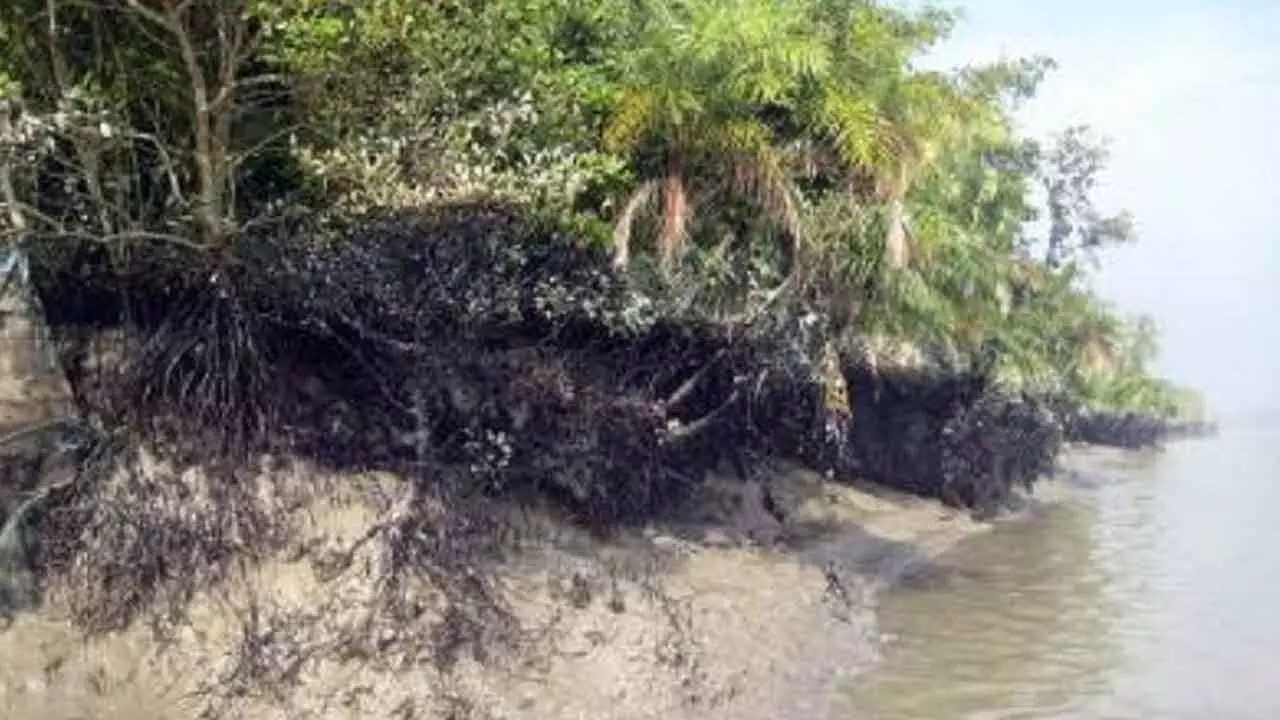
Tamil Nadu is set to undertake an ambitious scientific effort to precisely map its coastal “blue carbon” ecosystems, including mangroves, seagrass meadows and tidal marshlands, using drones, Artificial Intelligence and cloud computing.
The initiative aims to generate high-resolution data on carbon stored in these ecosystems and develop a comprehensive Blue Carbon Atlas for Tamil Nadu, enabling the state to potentially participate in global carbon markets.
Current estimates suggest that Tamil Nadu has around 90 sq km of mangroves, 800 sq km of seagrass beds and about 64 sq km of tidal marshlands. However, scientists say these numbers remain uncertain because the ecosystems have not been comprehensively mapped.
Existing figures are largely based on extrapolations from limited field samples spread across vast coastal areas, resulting in variations between state and national estimates.
Researchers say precise measurements are crucial if the carbon stored in these ecosystems is to be scientifically validated and traded in international carbon markets.
To address this gap, scientists from the MS Swaminathan Research Foundation (MSSRF), in collaboration with the Tamil Nadu Forest Department and with technical support from Microsoft, have launched a project to map these ecosystems at unprecedented levels of detail.
“Mangroves store nearly five times more carbon than terrestrial forests,” said R. Nagarajan, head of GIS and remote sensing at MSSRF, who is leading the initiative.





