

SIR, voter deletions and Bengal politics: A brewing electoral flashpoint
SIR, voter deletions and Bengal politics: A brewing electoral flashpoint
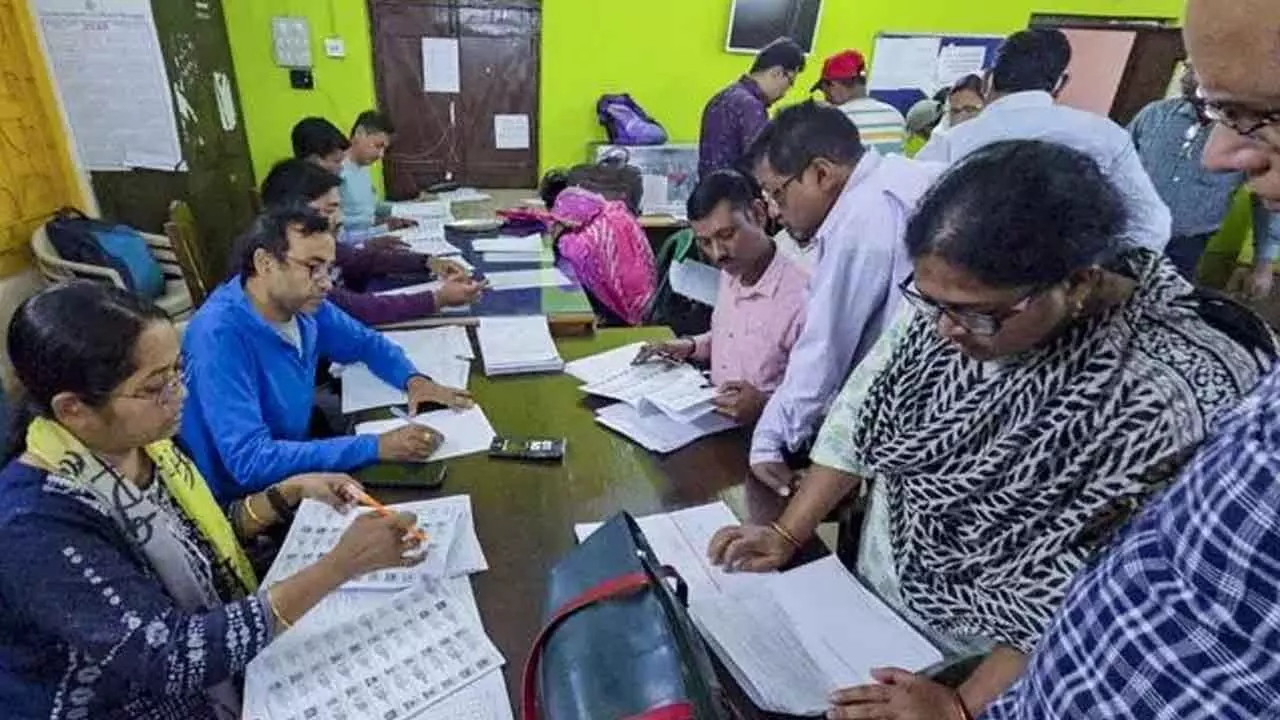
Fanatics may be lapping up the deletion of 91 lakh voters in West Bengal in the name of SIR, with the hope that it would ensure electoral triumph of the Saffron Brigade, following some simple arithmetics, but they tend to forget that one of the fundamental principles of jurisprudence: It is better for guilty persons to escape than for one innocent person to be convicted.
Historically traced to English jurist William Blackstone in 1769, it dictates that it is better that ten guilty persons escape than that one innocent suffer. It prioritizes preventing wrongful convictions over ensuring all criminals are punished, ensuring that innocent individuals are not wrongly deprived of their liberty.
High courts have also emphasized that "1000 culprits can escape, but, one innocent person should not be punished". Depriving and denying a genuine/bonafide voter of his/her right to universal adult franchise therefore clearly defies this fundamental doctrine.
The argument that such voters can re-enlist in future elections is equally flawed, as it ignores the same jurisprudential logic.
It is therefore little surprise that SIR has emerged as the single biggest issue in the Bengal polls, overshadowing factors that might otherwise have hurt the ruling TMC government. The alleged saffron strategy of deleting even genuine voters, mostly Muslims who have traditionally backed the TMC, could backfire.
With nearly 30 per cent of Bengal’s electorate being Muslim, a consolidated vote in favour of the TMC would mean the party needs just over 15 per cent support from the remaining 70 per cent, an achievable target, given that liberal Hindus rarely align with hardline positions.
Another strategy, to divide Muslim votes by covertly backing a regional anti-TMC Muslim front led by Humayun Kabir, a political turncoat and former TMC minister, has also unravelled. Kabir, who has been constructing a multi-billion-rupee Babri Mosque in Murshidabad, has been caught in a controversy following a 19-minute sting video alleging a Rs1,000 crore deal with BJP leaders, including figures linked to the PMO, the Assam and Madhya Pradesh chief ministers, Bengal’s Leader of the Opposition and BJP’s state face Suvendu Adhikari. The BJP has dismissed the video as AI-generated, but the fallout has been swift.
Several leaders and candidates from Kabir’s party have quit, some joining the TMC. The AIMIM, led by Asaduddin Owaisi and previously allied with Kabir, has severed ties. This not only dents any indirect advantage for the BJP among Muslim voters but has also angered sections of Hindu voters over the alleged patronage of a communal outfit.
The developments may also affect the Left Front, whose state secretary Md Selim had explored an alliance with Kabir’s party.
Meanwhile, the BJP is yet to build a robust organisational base in Bengal capable of matching the TMC’s well-oiled election machinery. Its state and district leaderships have relied heavily on the national leadership and strategies such as voter deletions, electoral manoeuvres and institutional backing.
The unfolding controversies are likely to push the party onto the back foot, despite anti-incumbency against the Mamata Banerjee government. All told, the situation is snowballing into a complex, high-stakes and increasingly acrimonious electoral battle in West Bengal.





