

RBI Cuts Rates Again—What This New Policy Signal Really Points To
The RBI MPC lowers repo rate to 5.25% with a neutral stance and major liquidity steps. Experts outline possible effects on credit flow, inflation and India’s economic direction.
image for illustrative purpose
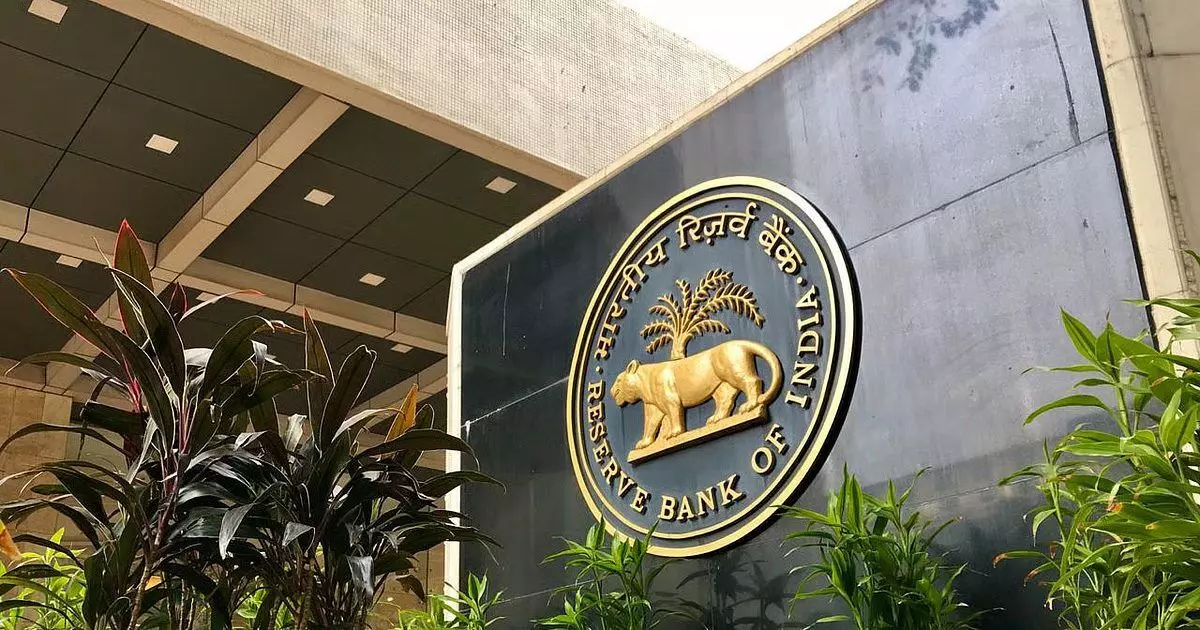
The Reserve Bank of India's Monetary Policy Committee reduced the policy repo rate by 25 basis points to 5.25%, while keeping the stance neutral. The vote was unanimous. Governor Sanjay Malhotra mentioned the present situation as a “Goldilocks-like phase” having high growth and low inflation at the same time.
To facilitate liquidity stabilization and support transmission, the RBI planned government securities purchases through open market operations worth ₹1 lakh crore and a three-year $5 billion dollar-rupee swap. The bank is predicting inflation both in terms of general and core categories to remain very close to 4% or even below during the first half of FY27. The projected GDP growth for FY26 has been corrected to 7.3%.
Reactions from banks, insurers, NBFCs, and market analysts were more or less positive. A lot of sector voices think that the reduction in policy rate and liquidity pumps will lower the cost of borrowing, help interest rate transmission and create better conditions in rate-sensitive areas such as housing, auto, NBFC, and infrastructure. A few experts hinted at the possibility of one more small rate cut depending on the inflation trajectory and global risks.
Developers, insurers, and wealth managers in the real estate segment said that the reduction in the interest rate will lead to an increase in consumer demand and easier financing. The bond market traders pointed out that the OMO and the FX swap would not only add liquidity but also support yields and curb volatility in currency. Some analysts remarked that the RBI is monitoring the external forces very closely but is still seeing enough policy room as long as inflation remains under control.
In a nutshell, the policy package signals the continuing support of monetary measures to the growth area while maintaining the hard line of inflation management and financial stability.





