

Mumbai Under Political Churn: Identity, Illegal Settlements and the Road to BMC 2026
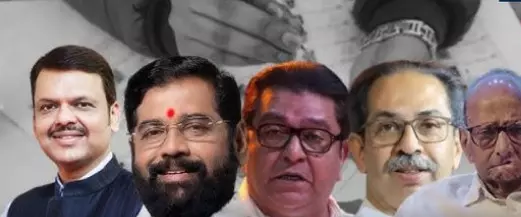
image for illustrative purpose
Mumbai is witnessing an intense political debate over its changing population patterns and shifting electoral strategies. With the 2026 Brihanmumbai Municipal Corporation (BMC) elections approaching, concerns are growing around vote-bank politics, illegal settlements and the future identity of India’s financial capital. Many young residents are questioning whether political calculations now shape neighbourhoods more than genuine urban planning.
At the centre of the controversy are allegations against the Mahavikas Aghadi (MVA). Critics claim that several policy decisions were not neutral governance measures but were aimed at reshaping demographic patterns in Mumbai. According to opposition leaders, decisions related to slums, welfare schemes and civic appointments were linked to securing long-term control over municipal wards, budgets and political influence.
Alleged Vote-Bank Strategy
Political analysts argue that a two-pronged electoral strategy is at work in Mumbai and across Maharashtra. One approach allegedly divides Hindu voters along caste, language and regional lines. The second seeks to consolidate Muslim votes through assurances, symbolic outreach and targeted benefits. Critics believe this strategy could influence electoral outcomes in multiple urban constituencies over successive elections.
Reservation demands and regional identity issues are often projected as social justice causes. However, opponents argue that these debates are framed in ways that keep Hindu communities divided. At the same time, minority voters are allegedly mobilised through narratives of insecurity and gestures of appeasement, encouraging bloc voting behind a particular alliance.
Marathi Identity and Migration Concerns
Mumbai’s politics has long revolved around Marathi identity, migration and employment. The Uddhav Balasaheb Thackeray (UBT) faction now faces accusations of sidelining Marathi residents while accommodating outside groups for electoral gains. Rising rents and soaring property prices have already pushed many middle-class Marathi families to areas such as Thane, Kalyan, Dombivli and Virar.
According to activists, this outward migration has created space in several parts of the city. Critics allege that these gaps are being filled through soft policing and access to identity documents for illegal migrants, including Bangladeshi and Rohingya Muslims. They warn that if illegal settlers obtain ration cards or Aadhaar documents, the issue moves beyond municipal politics into national security concerns.
Illegal Settlements and Urban Planning
The debate has intensified around unauthorised settlements in areas such as Behrampada, Malvani and Kurla, where large-scale illegal construction has continued for years. During the MVA’s tenure, opposition parties repeatedly alleged that such settlements were being pushed toward legalisation under the cover of slum rehabilitation and regularisation drives.
Critics argue that urban planning should prioritise infrastructure capacity, safety and sustainability. They warn that legalising unauthorised colonies can create permanent vote banks for the parties backing such moves. Once demographic balances in a ward change, they say, it becomes extremely difficult to reverse the impact through future planning.
Symbolism and Mayoral Politics
Political conflict has also surfaced around symbolism and representation. The idea of appointing a Muslim mayor in Mumbai has triggered sharp debate. Supporters describe it as inclusive and reflective of the city’s diversity, while opponents view it as part of a larger appeasement strategy ahead of municipal elections.
Past controversies from the MVA period, including the beautification of Yakub Memon’s grave and public Azaan-related events, continue to fuel criticism. Opponents argue that such actions send problematic signals and risk deepening mistrust between communities in a city with a history of terror attacks.
A City at a Turning Point
Political commentators describe the situation as a “double game” in which Hindu society remains divided over caste, language and regional issues, while Muslim votes are consolidated through symbolic gestures and selective decisions. In this context, the race for the Mumbai mayor’s post is seen as part of a larger struggle over demographic influence and political control.
Mumbai, shaped by a strong Marathi ethos and broader Indian values, stands at a crossroads. Many citizens fear that continued vote-bank politics—through illegal migration, document misuse and selective legalisation—could permanently alter the city’s character. As the BMC elections draw closer, residents are increasingly calling for leadership that safeguards Mumbai’s identity while ensuring fair development for all lawful residents.





