

Middle East war shock relief: Petrochem imports go duty-free
Centre moves to steady supplies, cap cost escalation
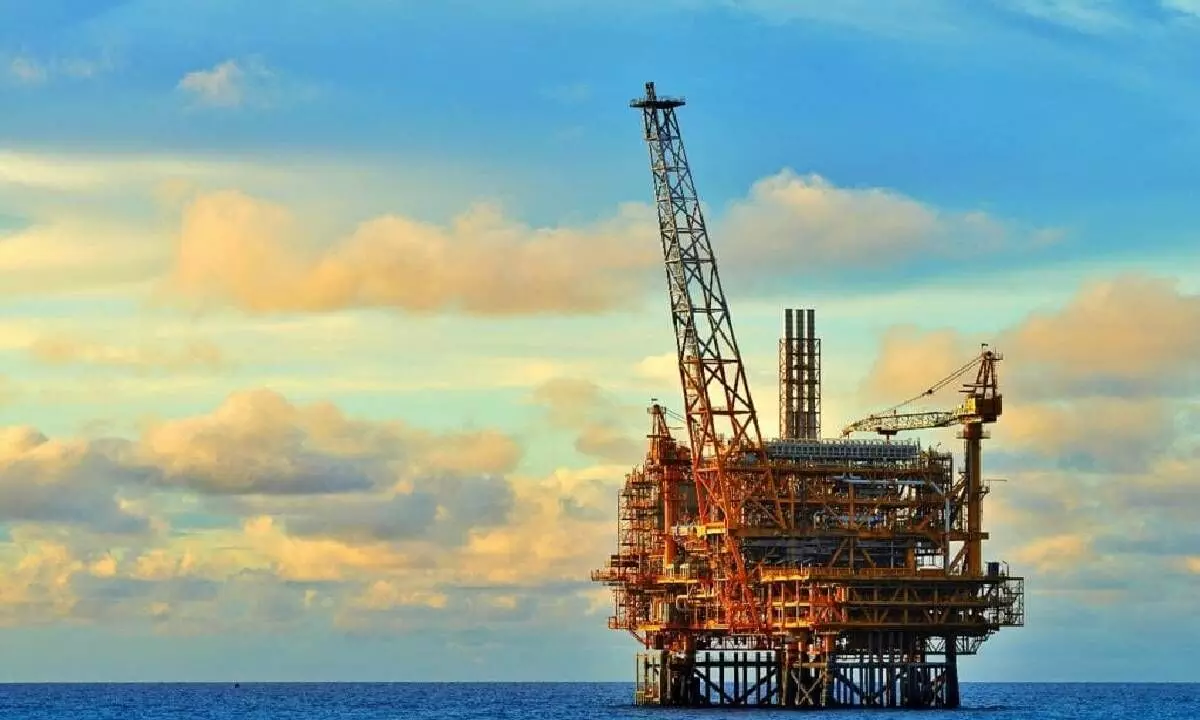
image for illustrative purpose
New Delhi: The government on Thursday exempted customs duty on select critical petrochemical products for three months till June 30, aiming to cushion domestic industries from supply disruptions triggered by the ongoing West Asia conflict.
Describing the move as a “temporary and targeted relief”, the Finance Ministry said it will help ensure availability of key inputs, reduce cost pressures and maintain supply chain stability. The measure is expected to cost the exchequer aboutRs1,800 crore.
CBIC Member (Tax Policy) Sanjay Mangal said the exemption is intended to support sectors heavily dependent on petrochemical feedstock, including pharmaceuticals, chemicals, textiles, plastics, packaging, automotive components and other manufacturing segments.
The duty waiver covers products such as Methanol, Anhydrous ammonia, Toluene, Styrene, Dichloromethane, Vinyl chloride monomer, Poly butadiene, Styrene butadiene and Unsaturated polyester resins.
The decision comes amid rising concerns over global supply disruptions due to the West Asia crisis, which has affected shipping routes and pushed up prices of crude oil and related products. Global crude prices have surged nearly 50 per cent since late February following military tensions involving the United States, Israel and Iran. To shield consumers from rising fuel costs, the government last week reduced excise duty on petrol and diesel byRs10 per litre. It also imposed export duties ofRs21.50 per litre on diesel andRs29.50 per litre on aviation turbine fuel (ATF).
In a separate relief measure, the government has allowed Special Economic Zone (SEZ) units to sell up to 30 per cent of their export turnover in the domestic market as a one-time measure to ease pressure from global trade disruptions.
Industry welcomed the move, with Federation of Indian Export Organisations (FIEO) Director General Ajay Sahai calling it a timely intervention to contain inflation and support export competitiveness. He said lower input costs would help exporters maintain pricing, honour contracts and manage margin pressures during the volatile period.





