

Draft labour code rules extend benefits to gig workers
Govt seeks feedback before April nationwide rollout
image for illustrative purpose
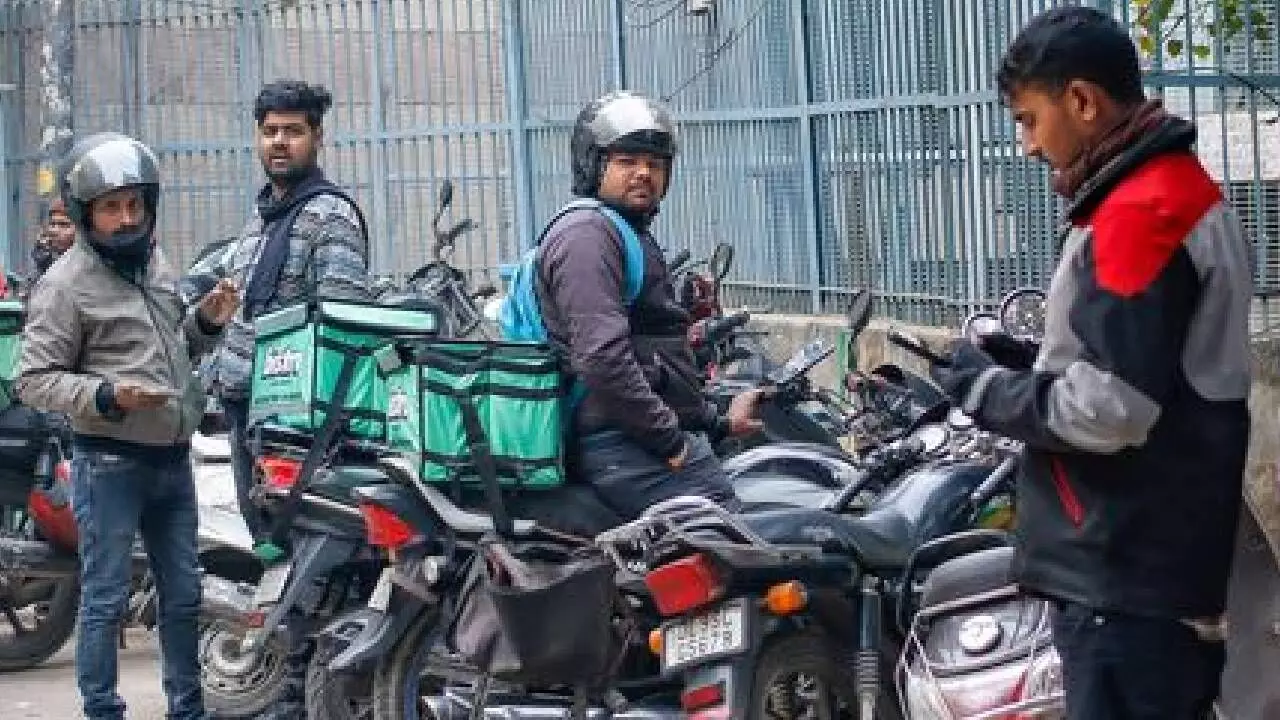
New Delhi: The Ministry of Labour and Employment has published the draft rules for the four labour codes, which also bring gig workers on board for various benefits such as minimum wage, health, occupational safety, and social security coverage.
The government has invited feedback from stakeholders on these draft rules and aims to finally roll out the entire package of four labour codes across the country from April 1.
Under the draft rules, in order to be eligible for the benefits, a gig or platform worker must be associated with an aggregator for at least 90 days in a financial year to qualify for social security benefits created by the Centre. If a worker is engaged with more than one aggregator, the minimum requirement is fixed at 120 days.
The notification, dated December 30, 2025, was issued a day before the gig and platform workers went on a flash strike for higher wages and better working conditions.
The rules clarify that a worker is considered “engaged” on any calendar day if they earn income for work done for an aggregator, regardless of how much they earn.
If a worker is associated with multiple aggregators, the number of engagement days will be added together across all aggregators. The draft also states that if a worker is engaged with three aggregators on the same calendar day, it will be counted as three separate days of engagement.
Regarding the minimum wage, the draft rules state that when the rate of wages for a day is fixed, then such amount shall be divided by eight for fixing the rate of wages for an hour and multiplied by twenty-six for fixing the rate of wages for a month. In case of a five-day working week, the hourly rate of minimum wages so calculated shall be used to derive the minimum wages for the day.
While fixing the minimum rates of wages, the Central government shall take into account the geographical area, experience in the area of employment, and level of skill required for working under the categories of unskilled, semiskilled, skilled, and highly skilled, the rules further state.





