

Delhi–NCR Pollution Crisis: Advocate Urges CM to Consider Innovative Sound-Based Atmospheric Research
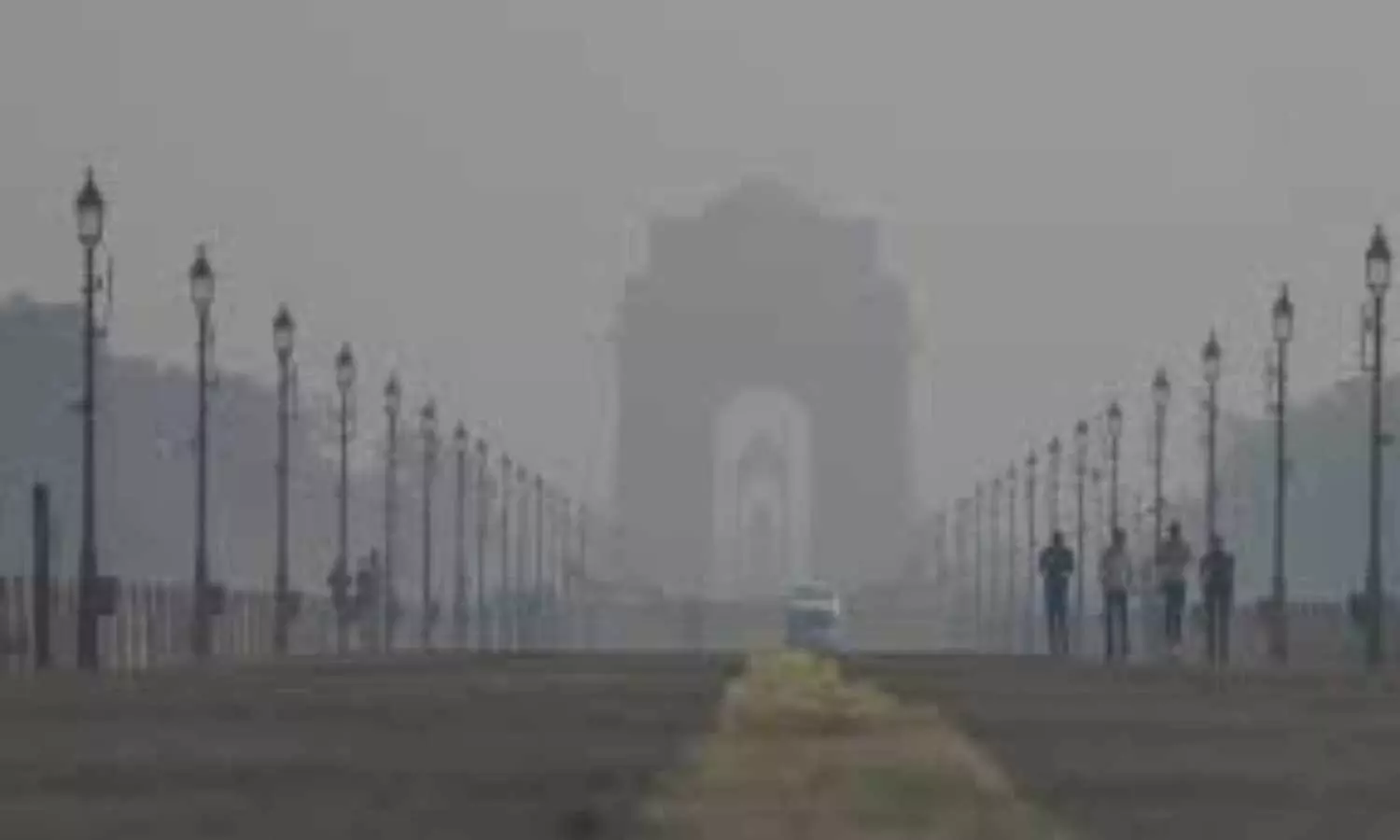
Amid the Delhi–NCR pollution crisis, an advocate has urged the Chief Minister to consider innovative sound-based atmospheric research to curb air pollution.
Sound-based research proposed to tackle Delhi pollution
Mumbai, Dec 23
Amid mounting concern over the worsening air quality in the Delhi–NCR region, Advocate Nripendra Krishna Roy of the Calcutta High Court has written to the Chief Minister of Delhi, urging the government to explore innovative and interdisciplinary approaches to address the persistent pollution crisis.
In his representation, Roy expressed deep anguish over the “persistently hazardous levels of suspended particulate matter (SPM)” in the region, describing the situation as a grave public health emergency. He questioned the long-term effectiveness of existing mitigation measures such as large-scale water sprinkling by civic authorities, stating that such steps offer only temporary relief and fail to address deeper atmospheric dynamics.
Roy highlighted his independent research spanning several years on the influence of sound—particularly Indian classical music—on atmospheric processes, including cloud behaviour and rainfall induction. According to him, the research focuses on how structured sound frequencies may interact with natural systems and potentially influence environmental conditions.
Notably, Roy pointed out that his work has previously attracted the attention of government authorities. Over the past fifteen years, he has reportedly been approached by officials including Anil Diggikar, Additional Commissioner of the Mumbai Municipal Corporation, and Rajesh Tope, former Minister in the Government of Maharashtra, in connection with possible environmental applications of his research.
In light of Delhi’s escalating pollution levels, Roy has requested the Delhi government to consider two specific steps:
A formal meeting with relevant officials and scientific advisors to present his research in detail; and
The initiation of a small-scale, scientifically monitored pilot project, conducted under expert supervision, to objectively assess the feasibility, limitations, and outcomes of this approach.
Emphasising the urgency of the situation, Roy stated that Delhi’s environmental crisis demands openness to innovative and unconventional solutions, alongside established scientific and policy measures. He underscored that a pilot study would allow evidence-based evaluation through data collection and expert review, rather than speculative claims.
While the proposal may invite debate within the scientific community, Roy maintains that the extraordinary nature of Delhi’s air pollution warrants exploration of all credible possibilities. The Delhi government has yet to respond publicly to the letter, but the appeal adds a new dimension to the ongoing discourse on combating one of India’s most severe urban environmental challenges.
Dr. Shubhro Chakrabartty, Founder, Bongo Bhashi Mahasabha Foundation, said, “Delhi’s pollution crisis demands openness to interdisciplinary experimentation. Any idea, conventional or unconventional, must be evaluated through transparent, scientific pilot studies rather than dismissed outright.”





