

26 looks set to be a year of sharper and more structured monetisation
2026 is shaping up to be a year of sharper and more structured monetisation, as businesses focus on sustainable revenue models, pricing discipline, and profitability.
26 looks set to be a year of sharper and more structured monetisation
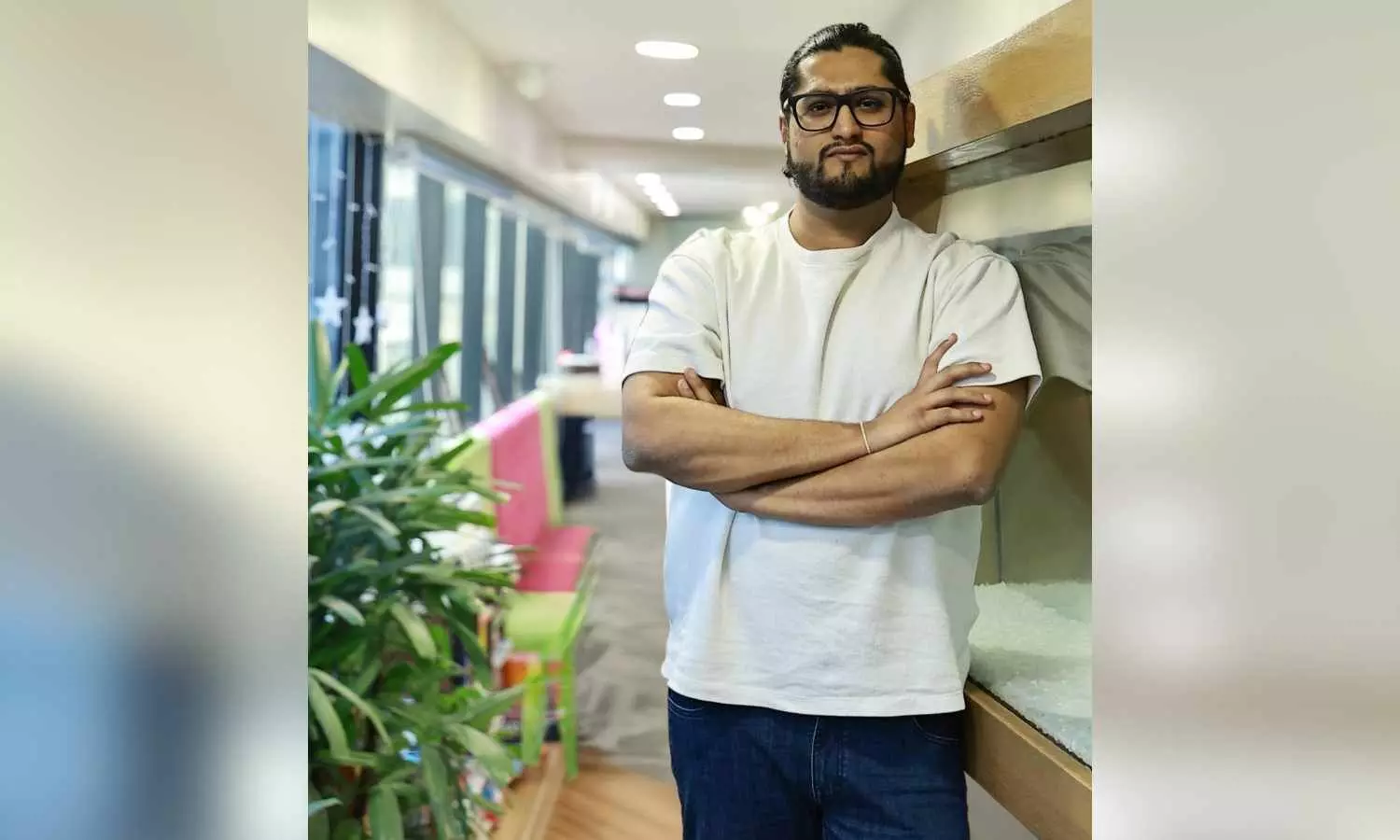
With labels reorganising around regional strategy and platforms testing premium pricing, 2026 looks set to be a year of sharper and more structured monetisation, “with an increasingly higher expectation on delivery quality, a pleasant surge upwards after some post-pandemic sub-standard acceptance”, says Varun Parikh, Founder of Bay Owl Studios and Director at Abbey Road Institute Mumbai in an exclusive interaction with Bizz Buzz.
What are the India’s music trends in 2025, and what to expect from 2026?
With labels reorganising around regional strategy and platforms testing premium pricing, 2026 looks set to be a year of sharper and more structured monetisation, with an increasingly higher expectation on delivery quality, a pleasant surge upwards after some post-pandemic sub-standard acceptance,” says Varun Parikh, Founder of Bay Owl Studios and Director at Abbey Road Institute Mumbai in an exclusive interaction with Bizz Buzz.
Independent discovery and vernacular growth are no longer side-stories in India’s music economy. With labels reorganising around regional strategy and platforms testing premium pricing, 2026 looks set to be a year of sharper and more structured monetisation, with an increasingly higher expectation on delivery quality, a pleasant surge upwards after some post-pandemic sub-standard acceptance.
Globally, recorded music continues to grow, with the International Federation of the Phonographic Industry (IFPI) reporting a 10th consecutive year-on-year increase in music revenues, up 4.8% from last year, with streaming a key contributor to that growth.
In India, listening is massive and discovery is fast, but the economics are still split across free-first consumption and a smaller paid base. The EY Media and Entertainment Report 2025 flags the major challenge of free alternatives, that continue to limit growth in the paid subscriber base, inspite of paid music subscriptions growing from 8 million to 10.5 million.
Against that backdrop, four developments capture what is changing in India, and what 2026 is likely to reward.
Why independent artists are topping Indian listeners’ lists?
The “independent” shift is not just a cultural trend, it’s a distribution and discovery change.
First, discovery has widened beyond film-led consumption, almost a complete role reversal now with a lot of production houses favouring existing success of back catalogues and current viral music. This is further enhanced with platforms and social formats now surfacing music through behaviour, community and utility such as gym playlists, commute listening, micro-genre communities, and creator-led recommendations. That has significantly reduced reliance on a single marketing lane.
Spotify’s India data is one credible signal of this transition to mainstreaming. Spotify has said more than 90% of the tracks featured on Spotify India’s daily Top 50 playlist in 2024 were by local artists. In practical terms, that suggests independent and non-film music are not on the fringes anymore, but are increasingly central to what the audience is choosing.
Secondly, the economic conversion market for audio creators has grown significantly broader, even with the low paid streaming conversion. Creators can piece together income from live shows, brand work, and publishing across multiple streams. The Indian Performing Right Society (IPRS) reported Financial Year 2024-25 publishing royalties income of ₹741.6 crore, with streaming contributing 81% of total income, and royalties paid to creators of ₹608.8 crore. That matters greatly for independent artists because it strengthens the case for professional release practices such as correct credits, split documentation, and clean metadata. This makes sure money does not get stuck or misallocated.
The takeaway for 2026 is simple, more independent success will increasingly reward consistency. The artists who can focus on quality instead of virality, will deliver great music.The added benefit of them mainting clean rights will scale reliable production timelines faster and more sustainably.
South Indian and vernacular markets: beyond film soundtracks, into full ecosystems
Film music remains a major pillar, but 2025 made it increasingly clear that regional scenes have their own standalone growth curves.
Spotify has reported that royalties generated by Indian artists performing in Hindi, Punjabi, Tamil and Telugu have each more than doubled since 2021, and has highlighted strong growth in Telugu listening and royalties in 2024. This is more than just a language preference, and it will significantly change how the industry invests. The signs are already there, with dedicated regional A&R pipelines coming into play, region-specific marketing and content studios, increased regional touring circuits, and more brand partnerships with language and culture specificity.
With a major shift such as this also comes a change in expectations. As more regional projects compete nationally and globally, what started as a cash grab has converged in raising the bar for professional delivery and content quality. From a studio and education perspective, that raises demand for engineers, producers, assistants and managers who can deliver at a consistent standard across genres and languages.
For 2026, the key point is that regional is not niche anymore, but a primary growth engine for the Indian market.
What Warner Music India’s South India push says about direction in 2026?
Warner Music India’s appointment of Ashok Parwani as Head of Music South India is a strong signal of the shift in approach from major industry players and is not an isolated move. It comes after Warner’s acquisition of Divo, which will help Warner in their plan to build deeper capability in Tamil, Telugu, Kannada and Malayalam markets. A move like this requires dedicated leadership and infrastructure, and Ashok Parwani brings four decades of experience.
What this suggests for 2026 is threefold.
First, more competition for regional talent. When global companies put senior leadership into a regional strategy, it typically means deeper pipelines for signing, development, catalogue acquisition, marketing, and partnerships.
Secondly, a shift from a “hits only” thinking to catalogue strategy. The long-term value of regional music is not just the next release, but what continues to perform over time across streaming, short-form video, live consumption, and licensing. Catalogue value depends heavily on correct rights administration, metadata, and discoverability. This requires building infrastructure.
Thirdly, more hybrid roles. As labels and partners scale regional strategy, the industry will need people who understand both craft and commerce. From engineers and producers who can deliver repeatably, to managers and teams who can ensure accurate splits, correct credits, and transparent royalty flows, a skilled talent pipeline will come in greater demand.
Regional music is being treated with the respect that it deserves, with South India a core growth pillar for the Indian M&E market.
Paid conversion and Spotify Premium Platinum: what needs to change
Spotify’s launch of new tiers in India, including a higher-priced Premium Platinum option, is a straightforward acknowledgement that India needs clearer value ladders to move listeners from free to paid. The Indian Express reported Spotify introduced new tiers starting at ₹139 per month, with the premium end reaching ₹299. Spotify’s own India pricing pages list Premium Platinum at ₹299 per month, including features such as lossless audio and up to three Platinum accounts for a household.
The early mentioned conversion challenge is not unique to Spotify, but is faced by almost every platform in our extremely price sensitive Indian market
So how does India improve paid conversion in 2026, without pretending the market will suddenly become subscription-heavy?
First, make paid benefits mainstream, not niche. Most households don’t care about lossless audio. For many listeners the hook here is offline reliability, family sharing, frictionless listening, and better personalisation. Product segmentation will only work if accurately mapped to real needs.
Secondly, continue bundling where India already pays. Telecom and OTT bundles have already reduced the extra subscription barrier, especially when activation is simple and billing is predictable. Bundling can also reduce churn by making music feel like part of a broader value package rather than a separate decision every month.
Thirdly, keep free monetisation healthy while conversion grows. Ad-supported listening will remain a major part of India’s music consumption for some time. Improving advertising yield, measurement, and brand safety supports creators and rights-holders while the market slowly expands the paid base.
For creators and rights-holders, higher paid conversion is not just a platform metric. It expands the overall royalty pool and makes professional careers easier to sustain. For the ecosystem, it also raises the bar on delivery quality and rights administration, because paying customers expect consistent experiences and clear value.
If 2025 was a year of momentum, 2026 looks like a year of discipline. Independent discovery and regional growth will continue to bridge the gap to traditional mainstream. If the industry wants 2026 to be a genuine step-change year, the focus should be on repeatable systems with better monetisation ladders, clean metadata, and global standard training pipelines such as at Abbey Road Institute Mumbai, that produce job-ready engineers, producers and rights-aware managers.





