

Sensex and Nifty expected to open lower on Monday after Khamenei’s killing
Sensex and Nifty likely to open lower amid escalating Middle East conflict after Khamenei’s killing, with oil spikes and volatility threatening markets.
Sensex and Nifty expected to open lower on Monday after Khamenei’s Killing
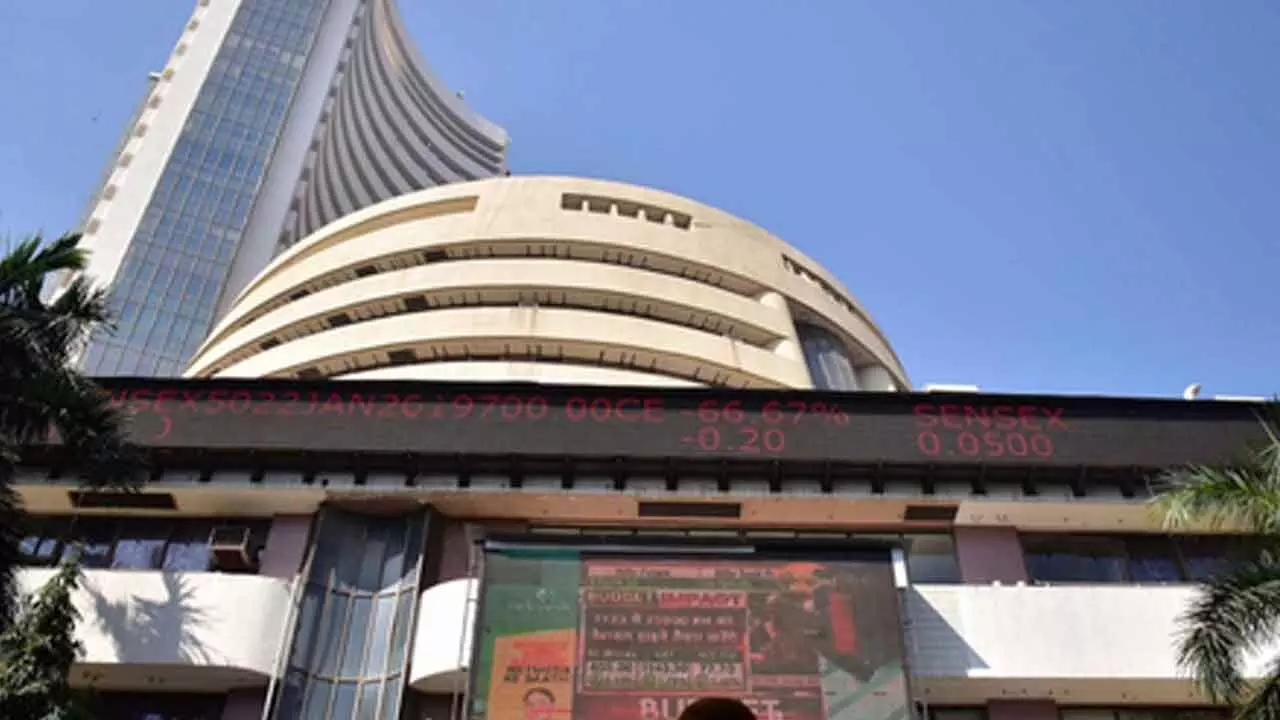
Indian benchmark indices — the Sensex and Nifty 50 — are expected to react negatively amid escalating Middle East tensions following the killing of Iran’s Supreme Leader Ali Khamenei, with analysts warning of elevated volatility driven by rising crude prices, geopolitical risk aversion and investor uncertainty.
The sudden escalation of conflict in the Middle East after the confirmed death of Iran’s Supreme Leader Ali Khamenei in joint US-Israel strikes has rattled global markets and is likely to weigh on Indian equity benchmarks when markets open on Monday. Analysts broadly expect a gap-down opening for both the Sensex and Nifty, driven by heightened geopolitical risk and rising commodity prices.
Geopolitical risk has surged as Tehran pledged retaliation, leading to sharp spikes in crude oil and safe-haven assets like gold and silver. Rising oil prices — seen trading higher on supply disruption fears — are a key concern for India’s markets, given the country’s heavy reliance on imported crude.
Market experts expect that the immediate impact of the conflict will be negative, particularly in the near term, with volatility likely to remain elevated as investors reassess risk and reposition portfolios. The geopolitical premium on crude could intensify inflationary pressures and widen the trade deficit, factors that typically dampen investor confidence and put downward pressure on equities.
Several analysts have noted that defensive asset classes, including gold and US Treasuries, are seeing renewed inflows as risk sentiment weakens. There is also the possibility of foreign institutional investors reducing exposure to emerging markets amid heightened uncertainty.
Sectors most vulnerable to higher crude prices — such as aviation, logistics, paints and chemicals — could face margin pressure, while upstream oil producers and defence-linked businesses may attract relative interest. Export-oriented and IT companies may also benefit from risk-off flows and a stronger US dollar.
While some market participants believe that the initial shock may be limited if crude prices stabilise and the conflict does not escalate further, the near-term bias remains bearish. Analysts are closely watching crude benchmarks and foreign investor flows as key indicators of Indian market direction in the coming sessions.





