

Insider trading concerns grow over high-volume bets on Khamenei’s removal
Prediction market bets on Iran’s Khamenei removal draw U.S. lawmaker concern over insider trading and ethics as large, well-timed wagers raise scrutiny.
Insider trading concerns grow over high-volume bets on Khamenei’s removal
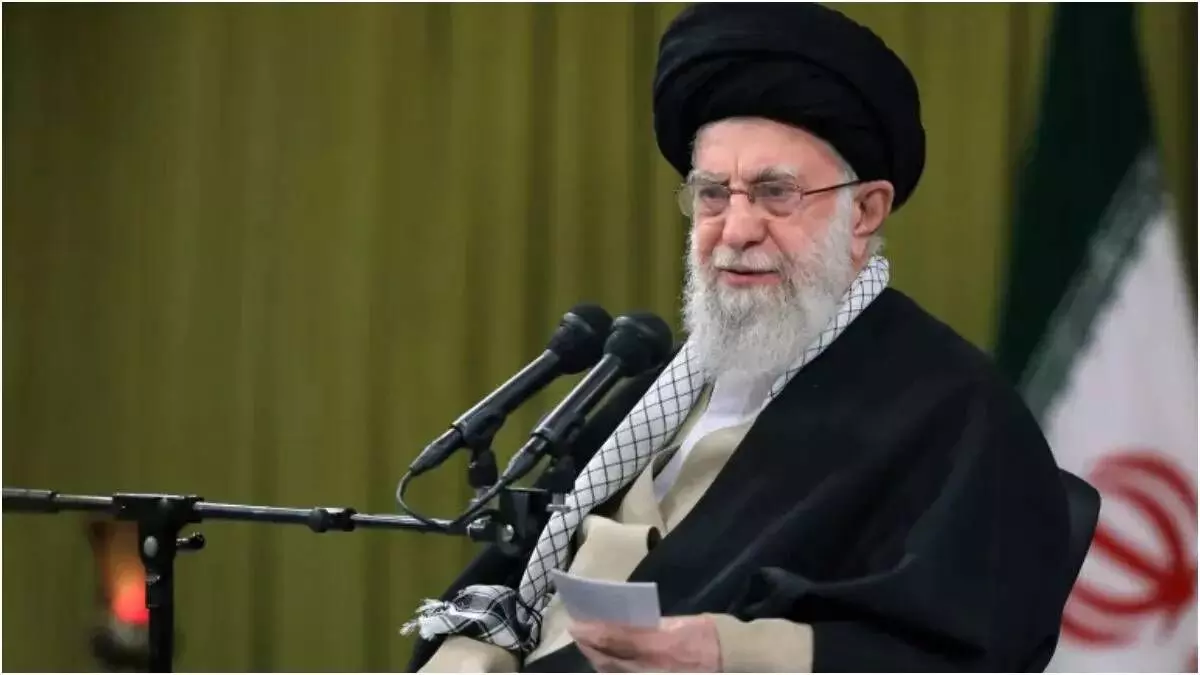
Large wagers placed on the ouster of Iran’s Supreme Leader Ayatollah Ali Khamenei in online prediction markets have drawn scrutiny from U.S. lawmakers and regulators, fuelling ethics and insider trading concerns after some traders profited ahead of the recent U.S.–Israeli strikes on Iran.
Bets placed on the removal of Iran’s Supreme Leader in online prediction markets such as Polymarket and Kalshi have ignited a political and regulatory firestorm, as lawmakers raise alarms about the legality and ethics of wagering on geopolitical events — particularly those with military and national security implications.
According to a Reuters review, hundreds of millions of dollars were traded on markets tied to the timing of the U.S. and Israeli strikes on Iran, and significant speculation took place on whether Khamenei would be “out as Supreme Leader.” On Polymarket alone, analytics firm Bubblemaps reported roughly $529 million traded on Iran-related contracts, with six accounts collectively earning more than $1 million from bets placed just hours before the airstrikes occurred — an outcome that has heightened suspicions of insider trading.
Lawmakers demand oversight
The pattern of well-timed and large wagers prompted sharp reactions from U.S. legislators. Democratic Senator Chris Murphy described the situation on social media as “insane this is legal,” and signalled plans to introduce legislation aimed at banning wagers tied to military actions that could benefit from classified information. Democratic Representative Mike Levin echoed the call for “transparency and oversight,” arguing that prediction markets cannot be vehicles for profiting off advance knowledge of military operations.
The Commodity Futures Trading Commission (CFTC), which regulates traditional futures and has authority over regulated platforms like Kalshi, has been drawn into the debate. Kalshi, unlike offshore platforms such as Polymarket, operates under U.S. regulatory oversight and recently announced that it will refund fees and adjust settlement rules on sensitive markets, including one tied to Khamenei’s potential removal — which it says it cannot settle based on death due to legal restrictions.
Regulated vs unregulated platforms
The different approaches between platforms have added to the controversy. Kalshi’s co-founders stressed that markets directly linked to a person’s death are excluded under U.S. rules, and insisted on enhanced rule clarity after backlash over how some contracts were handled. In contrast, Polymarket, which is based offshore and does not fall directly under CFTC jurisdiction, maintained that its market on Khamenei’s removal was valid because its wording encompassed resignation or loss of position, not death per se.
Investigations into other suspicious trading patterns — including anonymous blockchain accounts that posted large, perfectly timed wagers ahead of the Iranian strikes — have raised further questions about whether privileged information or speculation influenced outcomes beyond ordinary market signals.
Ethics and regulatory backlash
Critics argue that prediction markets invite moral hazards when contracts touch on war, death or regime change, and that the anonymity of some platforms may reward insiders with advance information over ordinary users. Advocates of prediction markets claim they reflect crowd-sourced expectations and publicly available intelligence, though lawmakers disagree that such mechanisms should be permitted to function unchecked.
Calls for regulation have intensified, with some experts advocating for enhanced monitoring tools and new legislation specifically targeting AI-assisted or politically sensitive prediction markets — a push likely to shape future oversight of crypto and financial betting platforms.
As debate continues, both political and regulatory scrutiny are likely to follow, with potential implications for how prediction markets operate on global events tied to national security.





