

Indicators signal near term weakness
Immediate support is placed near 76,250–76,400, while resistance is seen around 77,300–77,450
Indicators signal near term weakness
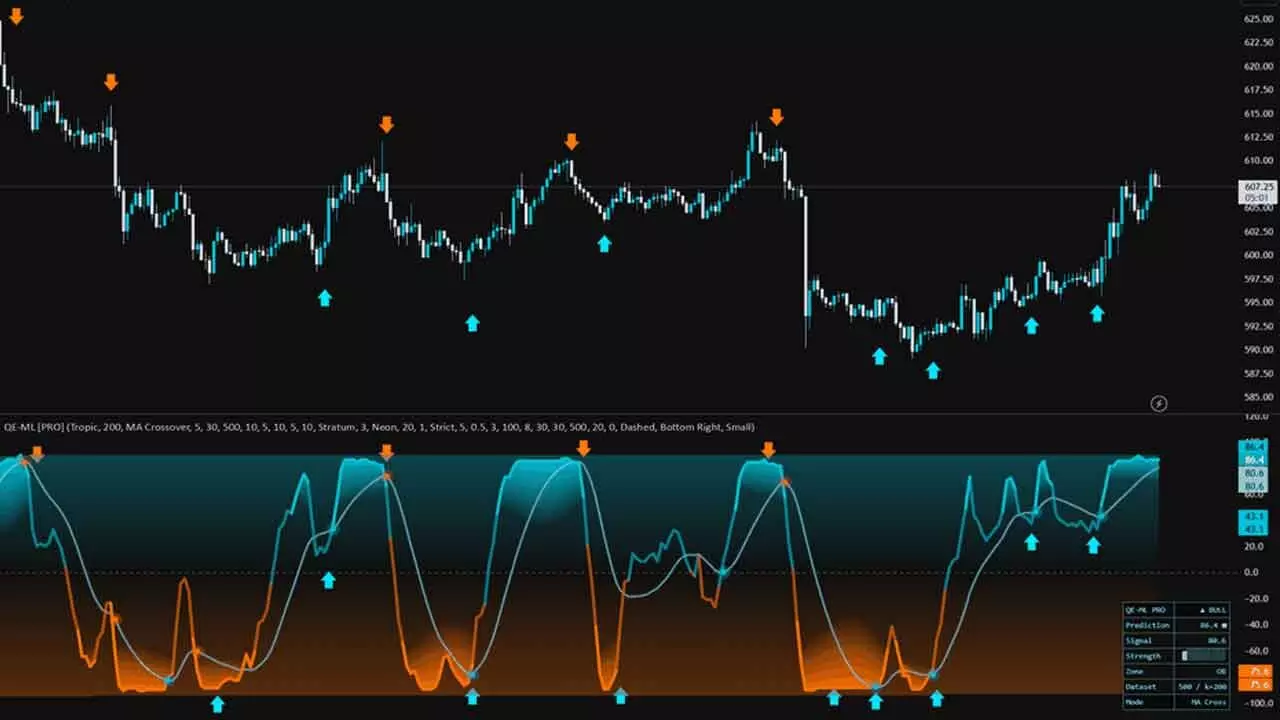
The BSE Sensex witnessed a highly volatile and weak trading session, declining sharply in early trade in line with negative global cues and a steep fall in GIFT Nifty. The index remained under pressure throughout the session and ended significantly lower, slipping below the 77,000 mark, reflecting sustained selling interest.
The weakness was primarily driven by rising geopolitical tensions in the Middle East and a sharp spike in crude oil prices, which dampened investor sentiment. Concerns over inflation and global uncertainty further added to the cautious undertone, while mixed institutional flows kept the market range-bound with a negative bias.
Sectorally, auto and FMCG emerged as the top laggards, dragging the index lower, while Energy and Defence stocks showed relative resilience. The decline was largely led by index heavyweights, indicating broad-based selling pressure across key sectors.
Market breadth remained firmly negative, with declining stocks outpacing advancing ones, highlighting continued risk aversion. Broader markets also underperformed, with midcap and small-cap indices ending lower, reflecting weakness beyond benchmark indices.
From a technical perspective, the Sensex has slipped below the crucial 77,000 level closing at 76,847 down by -702.68 Points, indicating near-term weakness. Immediate support is placed near 76,250–76,400, while resistance is seen around 77,300–77,450.
“A breakdown below support could extend the decline further, while any pullback towards resistance may face selling pressure,” says Aakash Shah, Research Analyst, Choice Equity Broking.
Overall, the market is exhibiting a weak and volatile structure, with sentiment turning cautious amid global uncertainties. The near-term outlook suggests continued consolidation with a negative bias, unless key resistance levels are reclaimed decisively.





