

India–US ties at tipping point as trade, Russia disputes deepen
India–US ties at tipping point as trade, Russia disputes deepen
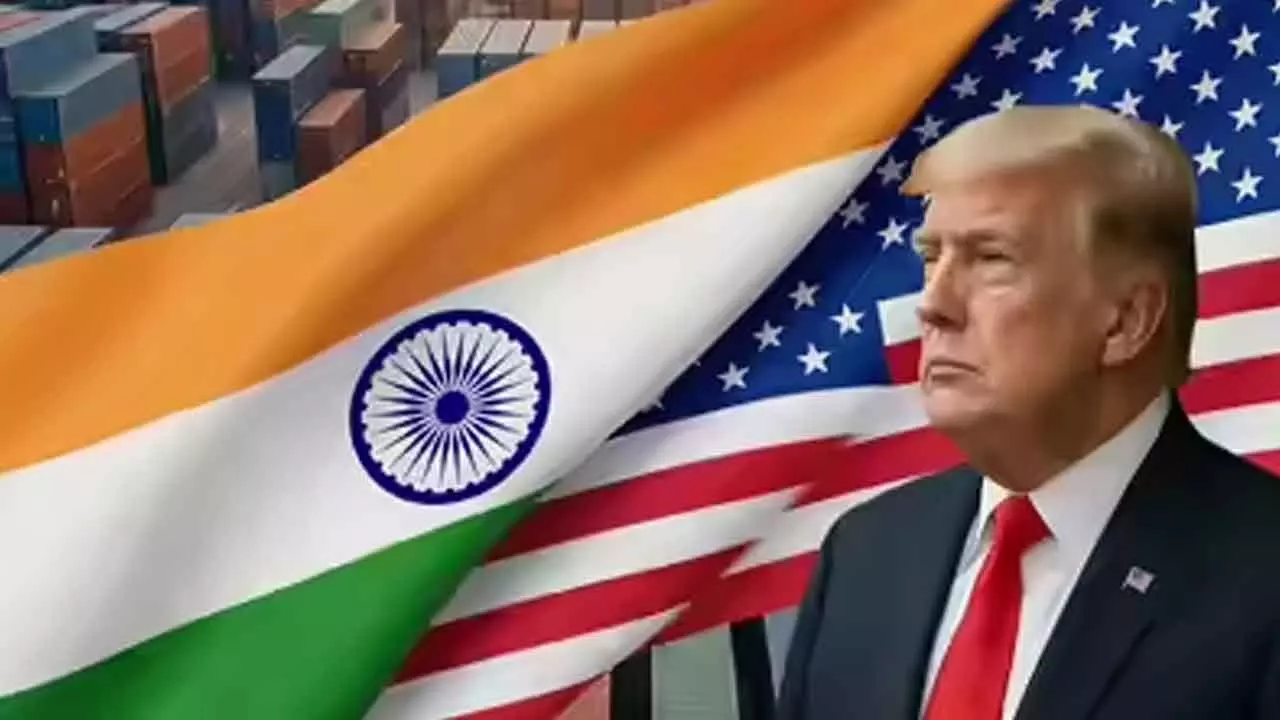
India–US relations appear to be at a tipping point. Based on reports from late 2025 and early 2026, the partnership is facing significant strain, with many experts describing it as being at a critical low.
While the relationship has matured over two decades, it is now undergoing its most serious test in years, driven by trade disputes, foreign policy disagreements, and a shift towards more transactional diplomacy under the Trump administration.
The US has imposed 25 per cent “reciprocal” tariffs on India, with additional penalties in some sectors pushing duties up to 50 per cent. This has triggered a 2025–26 diplomatic and trade crisis, with India calling the move “unjustified”.
President Trump has also criticised India for continuing to buy Russian oil, claiming it helps finance the war in Ukraine. Washington has threatened further sanctions over these purchases, placing pressure on India’s strategic autonomy.
What was once described as a leader-level “bro-mance” has been replaced by a more hard-nosed, transactional approach, with the US demanding tariff concessions and a reduced dependence on Russia.
There are also concerns that Washington is re-hyphenating India and Pakistan, potentially reversing a decades-long policy of treating India as a distinct and larger strategic partner. Reports of India slowing down or declining certain engagements, coupled with harsh rhetoric from the US side, have further eroded trust.
In response, India is accelerating its multi-alignment strategy, exploring closer ties with partners such as the European Union while maintaining its independent stance. Although defense has been the “load-bearing pillar” of the relationship, the current tensions have prompted India to review or pause some US defence deals.
Despite the crisis, analysts note that deep-rooted cooperation in technology, defence and a shared interest in balancing China mean the relationship is unlikely to rupture completely. Instead, it may be “recalibrated”.
While the partnership is not necessarily in a permanent "rupture," the trust built over the last 20 years has been significantly eroded, and the relationship is operating in a "new normal" of high friction and transactionalism, potentially lasting for the next few years.
In 2026, the lines between foreign policy, domestic politics and the economy are expected to blur further. The latest GDP growth data predates the full impact of Trump’s tariffs, which are likely to have a sustained effect on the economy if they remain in place. Washington is also considering additional sanctions on countries doing business with Russia.
This economic pressure could have political consequences, with India set to hold elections in four states and one Union Territory in 2026. A key watchpoint will be the proposed trade deal with the European Union, India’s largest trading partner.
Negotiations, ongoing intermittently since 2007, missed a self-imposed deadline last year. Both sides are now keen to conclude the agreement ahead of European Commission President Ursula von der Leyen’s visit to India later this month.
Indian foreign policy can often come across as aloof. It professes a commitment to the rules-based international order, including principles of sovereignty, territorial integrity and the equality of states, it is often quiet in upholding these principles. India claims to be a ‘voice’ of the Global South, yet its response to crises such as attacks on Venezuela has been slow and muted.





