

India's fertilizer imports jump as domestic production falters
India's surging urea imports, combined with slow domestic production, are challenging India’s fertiliser self-sufficiency and agricultural sustainability.
Rising fertilizer imports challenge India’s self-sufficiency drive
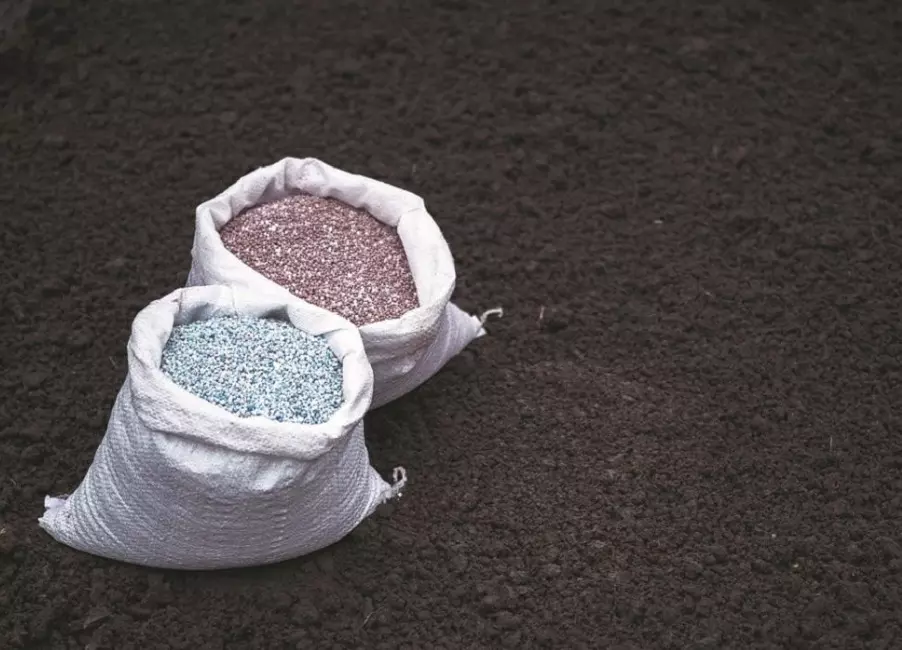
India’s push for fertilizer self-sufficiency has faltered this fiscal year as urea imports surged amid weak domestic output and rising farm demand, intensifying pressure on subsidies and raising concerns over soil health and the long-term sustainability of agriculture.
Imports Rise as Domestic Output Lags
India’s fertilizer imports have climbed steeply in the current fiscal, with urea shipments jumping 120% year-on-year to 7.2 million tonnes between April and November. The surge marks a clear rebalancing towards overseas supplies at a time when domestic production has struggled to keep pace with rising consumption.
This import dependence comes at odds with the government’s long-stated objective of reducing external reliance in critical agricultural inputs. Industry executives point to capacity constraints, delayed plant upgrades, and high global input costs as key reasons domestic output has failed to scale in line with demand.
Strong Crop Cycles Push Demand Higher
Robust agricultural activity has been a major driver behind the spike in fertilizer consumption. Favorable monsoon conditions and an expansion in cultivated acreage during the Kharif season led to higher sowing of crops such as rice and maize, sharply increasing demand for urea and di-ammonium phosphate (DAP).
The momentum has carried into the Rabi season, with strong wheat sowing expected to push fertilizer usage even higher. India’s urea consumption has steadily risen over the past decade—from about 31 million tonnes in 2013–14 to an estimated 40 million tonnes in 2025–26—underscoring the structural nature of the demand increase.
Subsidy Burden Mounts
The growing reliance on imports is significantly inflating the government’s fertilizer subsidy bill. Total fertilizer subsidies have ballooned from ₹81,124 crore in 2019–20 to an estimated ₹1.83 trillion in FY25, reflecting both higher volumes and elevated global prices.
Urea accounts for nearly 70% of this expenditure, as it is sold to farmers at a subsidy exceeding 90% of its actual cost. While this pricing mechanism shields farmers from price volatility, it also distorts consumption patterns by encouraging excessive use of nitrogen-based fertilizers relative to other nutrients.
Economists warn that without reforms, subsidy costs will remain structurally high, limiting fiscal space for investment in agricultural infrastructure, research, and irrigation.
Soil Health Risks Come Into Focus
Beyond fiscal concerns, experts caution that imbalanced fertilizer use is accelerating soil degradation across large parts of the country. Studies referenced by the Indian Council of Agricultural Research (ICAR) and the agriculture ministry point to declining organic carbon levels, climate stress, and excessive application of nitrogenous fertilizers as key contributors to deteriorating soil quality.
These trends threaten long-term crop productivity and farm incomes. A Parliamentary Standing Committee has recommended stepped-up farmer training on balanced nutrient application, crop rotation, and alternative practices such as natural and organic farming to address the issue.
However, industry insiders argue that awareness alone may not be sufficient. As long as urea remains heavily subsidized, farmers are likely to continue favoring it over more balanced—and often costlier—nutrient combinations.
A Policy Tightrope Ahead
The current import surge highlights a difficult policy trade-off for India. Ensuring affordable fertilizer access for farmers remains critical for food security, but rising import dependence, mounting subsidies, and environmental costs are exposing the limits of the existing model.
Analysts say restoring momentum toward self-sufficiency will require a combination of domestic capacity expansion, gradual rationalization of subsidies, and stronger incentives for balanced nutrient use. Without such measures, India’s fertilizer economy risks becoming increasingly import-heavy, fiscally burdensome, and environmentally unsustainable.





