

Silver price crash: Worst corrections in decades
Warsh Fed nomination sparks commodity crash as silver plunges 30% and gold tumbles on hawkish rate outlook, stronger dollar and heavy profit booking.
Silver price crash: Worst corrections in decades
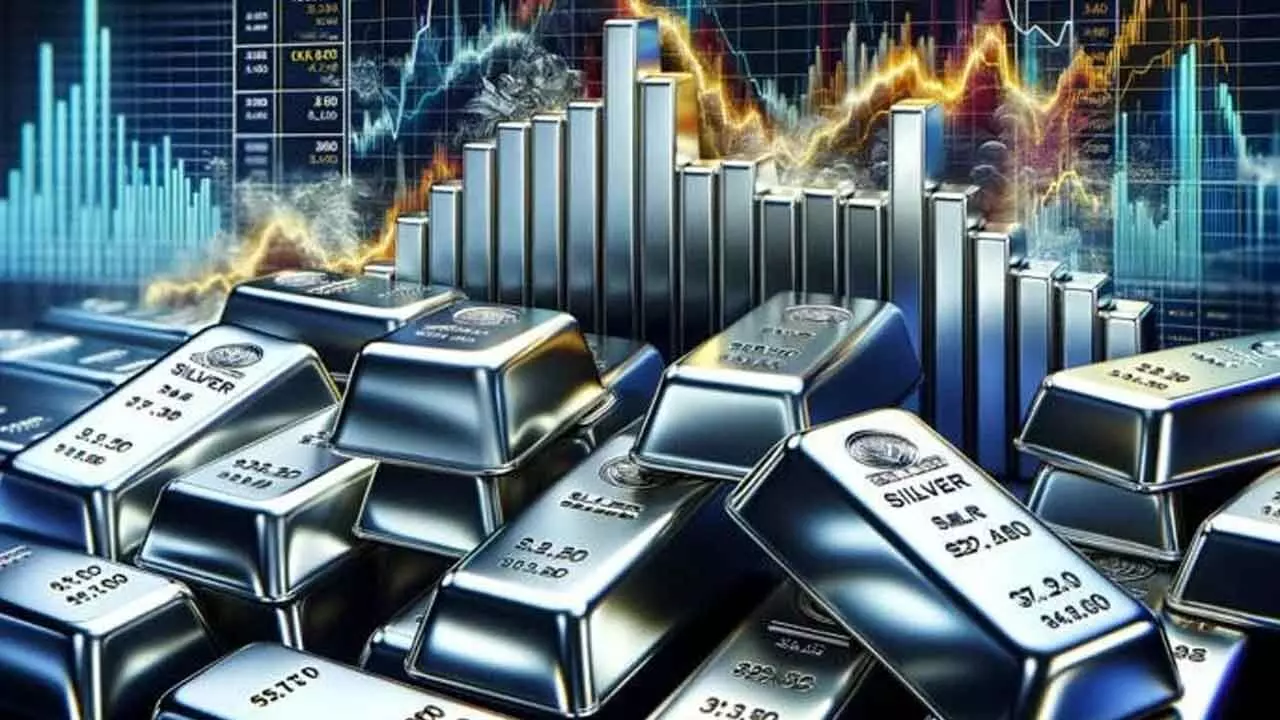
Kevin Warsh nomination as the next US Federal Reserve chief spooked commodity markets, as investors find him as a hawkish policymaker likely to prioritise inflation control and maintain stricter monetary conditions.
After a breakneck rally over the past year, the commodity market saw one of the worst routs on Friday, January 30, 2026, with silver futures prices in global markets tumbling over 30% in a single session.
According to a report, spot silver crashed 28% to $83.45 an ounce on Friday, trading near its daily lows. Silver futures plummeted 31.4% to settle at $78.53, marking its worst day since March 1980.
Meanwhile, spot gold slipped around 9% to trade at $4,895.22 an ounce. Gold futures dropped 11.4% to settle at $4,745.10.
According to analysts, aggressive profit-taking followed the sharp rally to record highs earlier this month.
The key trigger behind the steep decline was President Donald Trump’s nomination of Kevin Warsh as the next US Federal Reserve Chair.
Warsh's nomination as Fed chief spooked commodity traders
The nomination of Kevin Warsh as the next Chair of the US Federal Reserve unsettled commodity markets, as investors perceive him as a hawkish policymaker inclined to prioritise inflation control and sustain tighter monetary policy.
This shift has reinforced expectations of higher interest rates for an extended period, pushing US bond yields upward and strengthening the dollar. Because commodities are dollar-denominated and generate no interest income, a stronger dollar and rising yields tend to diminish their appeal—particularly for precious metals such as gold and silver.
The reaction was amplified by heavy speculative positioning following a strong rally, prompting rapid profit-booking and forced liquidation. As a result, commodity prices fell sharply, reflecting a sudden change in sentiment rather than a deterioration in underlying supply-demand fundamentals.





