

How an Iran attack could rattle global energy markets and push prices higher
US-Israel strikes on Iran raise fears of oil supply disruptions, with risks centred on the Strait of Hormuz, Gulf infrastructure and rising fuel prices worldwide.
How an Iran attack could rattle global energy markets and push prices higher
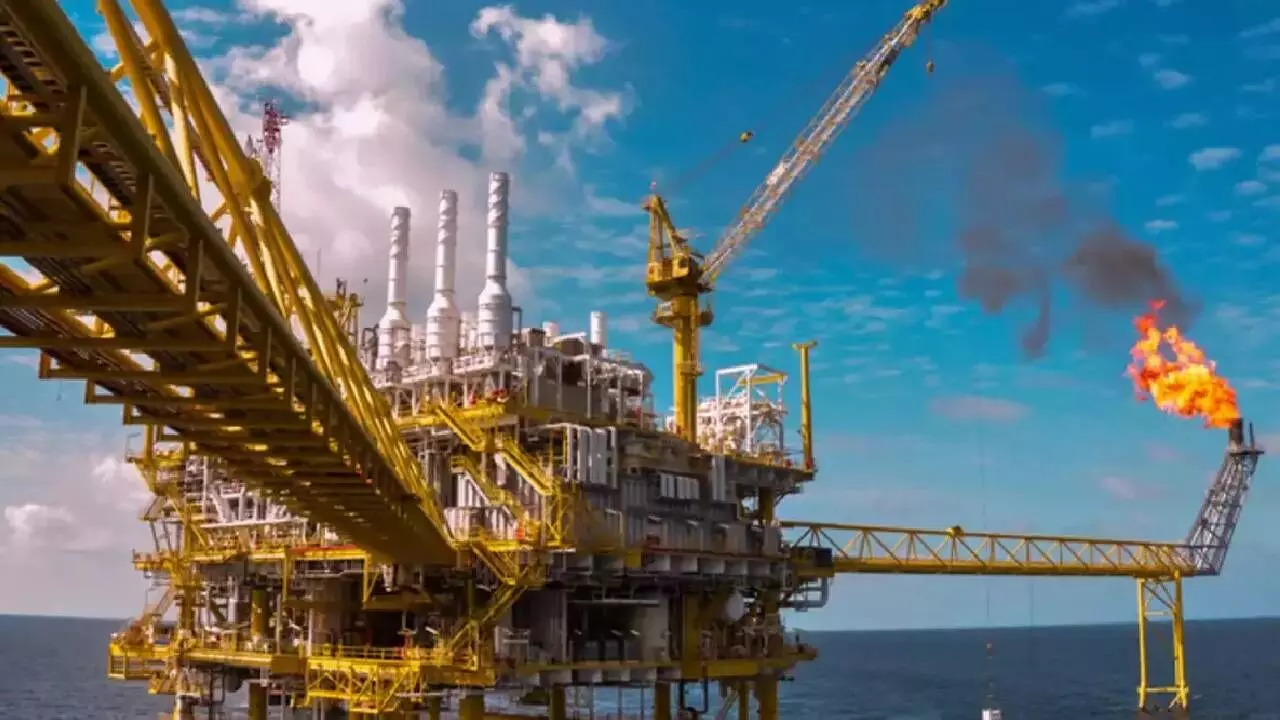
Overnight US and Israeli strikes on Iran have injected fresh uncertainty into global energy markets, raising fears of supply disruptions from a region critical to oil and gas flows. While the scale of market impact remains unclear, analysts warn that oil prices and fuel costs could rise in the near term, with risks centred on the Strait of Hormuz, Iranian exports and potential retaliation against Gulf producers.
The latest military strikes on Iran by the United States and Israel are expected to place upward pressure on global oil prices by increasing the risk of supply disruptions from the Middle East — a region that accounts for a significant share of the world’s oil production and energy transit routes.
Market participants are bracing for the first concrete signals of fallout when trading opens on Asian exchanges. Even before markets react, analysts say the conflict introduces several critical flashpoints that could shape price movements in the days and weeks ahead.
Strait of Hormuz in Focus
One of the most sensitive risks lies in the Strait of Hormuz, the narrow maritime corridor bordering Iran that carries about one-quarter of the world’s seaborne oil trade and roughly one-fifth of global liquefied natural gas (LNG) shipments. Iran has repeatedly threatened to close the strait during past confrontations.
While some oil tankers have reportedly begun avoiding the area, analysts at Eurasia Group say a complete shutdown remains unlikely. They argue that even if Iran targets tanker traffic, US-led efforts would likely limit the scale and duration of any supply disruption through the strait.
Threat to Iranian Oil Exports
Iran is OPEC’s fourth-largest oil producer, exporting around 1.5 million barrels per day, mainly to China. Energy markets will be closely watching whether the conflict damages key Iranian infrastructure, particularly the Kharg Island export terminal, which handles nearly all of Iran’s crude shipments. Any prolonged disruption there could tighten global supply and amplify price volatility.
Risk of Regional Retaliation
The most severe scenario for markets would involve Iran striking oil infrastructure in neighbouring Gulf countries. Analysts warn that attacks on oilfields, pipelines or export terminals in major Arab producers could temporarily remove a substantial portion of the roughly 18 million barrels per day of non-Iranian exports from the region. Such a development would likely trigger a sharp and sudden spike in global oil prices.
Global Supply Buffer Still Intact
Despite these risks, the broader oil market currently has some buffers. Global supply growth has been outpacing demand, and consumption growth remains relatively modest. This imbalance has given policymakers, including the White House, more flexibility to absorb short-term shocks without triggering a dramatic surge in gasoline prices.
Oil prices had already climbed to their highest levels since last summer in anticipation of rising tensions, but analysts caution that historical patterns suggest geopolitical price spikes often fade once immediate fears subside.
What Analysts Are Saying
Joseph Brusuelas, chief economist at RSM US, noted that while Middle East tensions typically lift oil prices, those increases have historically been temporary, with prices reverting close to pre-conflict levels.
Patrick De Haan, head of petroleum analysis at GasBuddy, forecasts a 5%–10% rise in oil prices, though he emphasised the high level of uncertainty. He expects US average gasoline prices, currently around $3 per gallon, to rise to approximately $3.10–$3.15 per gallon in the coming weeks. Seasonal refinery transitions to summer fuel blends were already expected to push prices higher, even without the conflict.
What Comes Next
Attention will now turn to an upcoming OPEC+ meeting, where the group — which includes OPEC members, Russia and allied producers — is scheduled to review output plans. The alliance had been expected to announce a production increase of about 137,000 barrels per day, a move that could help cushion markets if tensions escalate further.





