

Galvanized Steel Coil: A Reliable Choice for Corrosion-Resistant Applications
Explore galvanized steel coil – its manufacturing, benefits, uses in construction and automotive sectors, pros/cons, and 2026 market trends. Learn why hot-dip galvanized coils remain essential for durable, long-lasting projects.
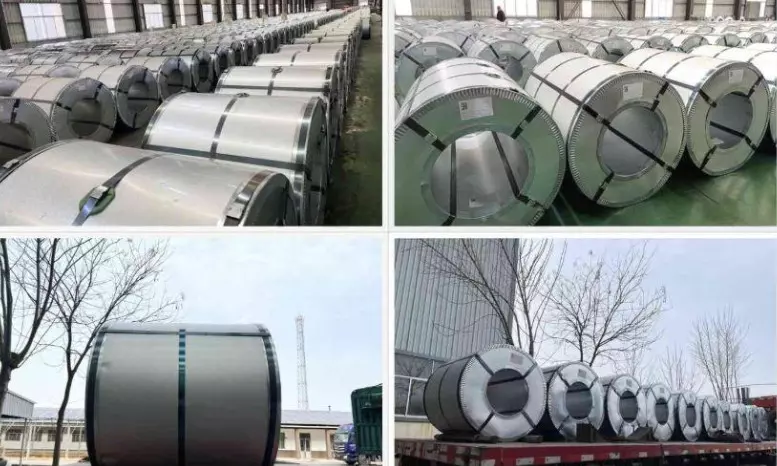
Hot-dip galvanized steel coils with visible zinc spangle finish, used widely in construction, automotive, and renewable energy infrastructure for corrosion protection.
What is Galvalume Steel Coil?
Galvalume Steel Coil is a material that I have been working with in the fabrication shops as well as on job sites since time immemorial, and it is one material that just will not amaze me due to its simple and reliable nature. It is essentially an ordinary cold-rolled carbon steel, which is generally coated with a zinc coating to prevent rust.
The zinc takes the shape of a shield and corrodes first to leave the underlying steel intact. It is not a new-fashioned process that was developed yesterday; it can be traced way back more than a hundred years back, but it has become one of the most viable solutions to anything that is exposed to weather or moisture.
The making of Galvanized Steel Coil
Hot-dip galvanising is the most prevalent regime nowadays. Steel coils are cleansed strictly in order to eliminate oils and oxides and are plunged into a bath of molten zinc at approximately 450 o C. It forms a metallurgical bond composed of layers falling into the following: an iron-zinc alloy at the bottom to provide toughness, over this, pure zinc. The coil materialises, chills and becomes spangled- the usual crystalline look upon the surface.
The alternative pathway is electro-galvanizing whereby a thinner layer of zinc is deposited using electricity in an electrolyte solution. It has a smoother and more homogeneous surface, it works better with painted finishes, but the surface is much thinner, usually 5-10 times thinner than that of the hot-dip, thus it is not so durable in harsh environments.
In my practice, the vast majority of industrial steel coil supplier would be persuaded to stay with hot-dip on coils since the latter provides better protection and does not cost a fortune when it comes to large quantities.
Important Characteristics that distinguish it
Galvanised coil is made by joining the strength of steel, whose tensile ratings are usually 510-600 Mpa, with the sacrificial protection of Zinc. Thickness of the coating is variable (in g/m 2, such as Z275 275 g/m 2), which directly affects the life. Under moderate conditions, the life cycle is 50 plus years without substantial maintenance, and in salty coastal conditions, 20-30 years is achievable.
It is shapeful, welds (carefully to prevent zinc fumes) and can be painted once it is well prepared. The spangle is minimizable to a less visible appearance in a visible application.
Main Uses in any Industry
Construction consumes the greatest portion- consider roofing sheets, wall cladding, structural beams, fencing and the HVAC ducts. I have observed whole warehouses painted in galvanised coil; this one does not need a repaint every now and then, as it will withstand rain, snow, and humidity.
In the automotive industry, it is used in underbody parts, frames, and panels where it is necessary to have corrosion resistance,e but the finish is painted over. Daily cancellation of casings on appliances such as washing machines and refrigerators is dependent on it.
The other locations are agricultural machinery, frames of solar panels, guardrails and even signage. Galvanised coil is used in wind turbine infrastructure and solar mounting structures in renewable energy efforts, which are growing now and will bring the turbine bases and mounting structures tougher, allowing them to withstand remote areas and be exposed.
Pros That Have made it continue being popular
Low initial price when compared to stainless or other alloys, but it provides decades of service with very little maintenance. The self-recovery factor is enormous - when the coating becomes scratched, the zinc gives away his life to save the surrounding steel.
It isa practical environmental choice: the long life cycle means that it will not need to be replaced as often, and zinc can be recycled. Ready to use directly out of the coil- no additional painting required at the first instance.
Real-world performance: Durability performs well. The 1990s projects still appeared solid in most climates.
The possible disadvantages and limitations
Nothing's perfect. The spangles left behind by the hot-dip procedure may give it a more rugged look, which cannot be considered extremely upscale in its appearance unless further treatment is done. Ventilation is necessary to handle welding, as zinc vapours are dangerous.
The zinc will corrode more in highly acidic or alkaline conditions, which includes chimneys in factories or some chemical factories. When not properly handled, the coating may be damaged when performing heavy forming, but with modern alloys, this is minimised.
Electro-galvanised ones are more expensive per unit of protection because the layer thickness is smaller, and hence they are a niche.
Trends and Prospects in the market in the year 2026
By the beginning of 2026, the market of galvanised steel coils will continue to expand steadily due to the infrastructure drives in the world, urbanisation in the emerging economies, and the transition to renewables. It has been reported that the total market is growing at a rate of 3-6% CAGR over the next decade, with building materials alone reaching 57 billion by 2035.
Prices are subject to changes based on the inputs of zinc and steel- hot-rolled coil prices are in or around 900-1000 per tonne in recent years, but supply chains have evened out following the pandemic disruptions. China is still in control, yet regional manufacturers in the US and India are increasing their lead time.
Sustainability is more of an issue; galvanising processes with low carbon levels and recycled materials are becoming more popular among buyers who are considering carbon footprints.
Conclusion
Having worked with many tons of it throughout the years, galvanised steel coil is the easiest to deal with in terms of performance, cost and simplicity. It does not claim to be exotic, but it gets the job done and does it in a reliable, dependable manner, protecting structures against rust that they will endure for generations. It is hard to beat whether it is the roofing of a factory in a humid climate or the framing of solar arrays in the desert.
When you are defining materials for your next project, consider the environment and budget. Hot-dip is normally the victor in outdoor life, whereas electro is suitable for indoor or painted applications. In any case, he is a veteran in the contemporary art of fabrication.





