

Amaravati envisions a future-ready urban model that integrates rapid growth, civic responsibility and environmental balance
AI has made the design experience smoother and more effective for everyone involved, says Hidecor founder Anantha
Anantha VR, Founder, Hidecor
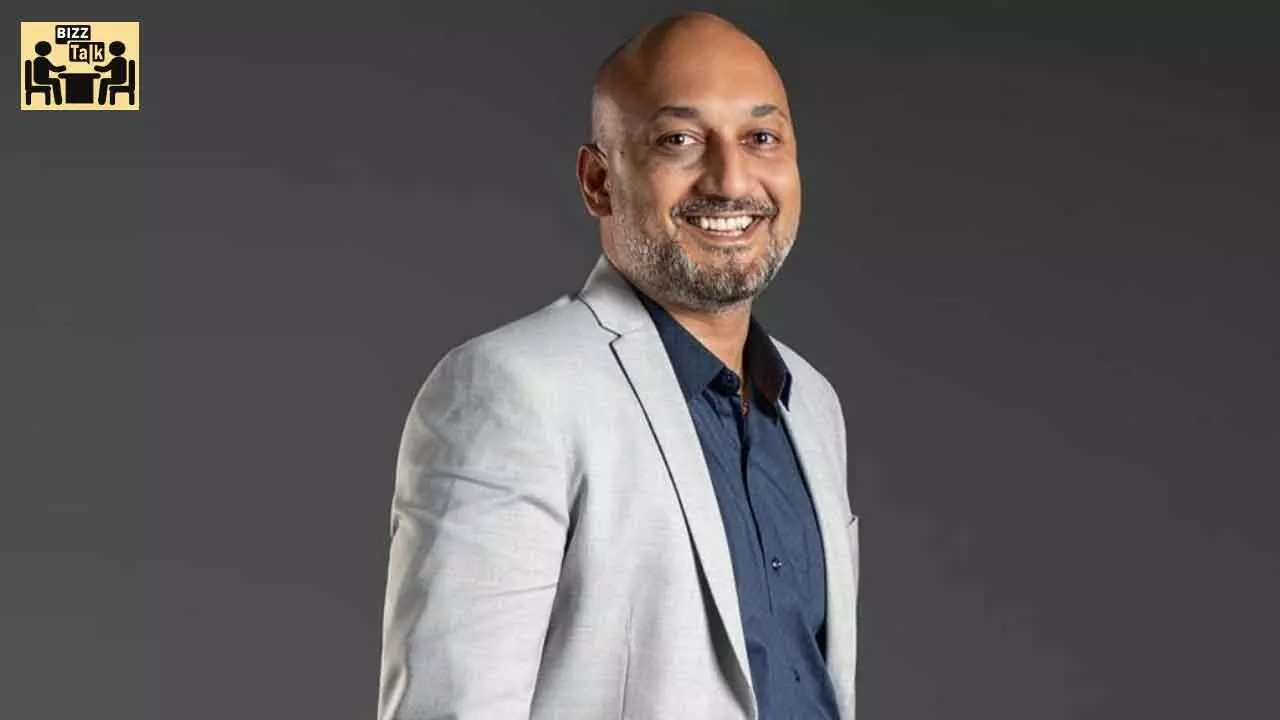
Anantha VR is the Founder of Hidecor, a pioneering workplace design and building firm based out of Bengaluru. He has an outstanding achievement in technology, enterprise mobility, IT advisory and research, software products and ICT services, which add to his experience of over 21 years.
As the driving force behind the company, he plays an all-encompassing role in articulating Hidecor’s vision and ensuring the company's growth, strategizing ways forward and achieving perfect synergy across all functions. He also leads the overall P&L, working closely with teams to deliver sustainable growth and long-term value.
“At Hidecor, we believe every workspace tells a story, which is mainly shaped by culture, people and purpose. Our approach & strategy will blend technology with design empathy to create environments that inspire productivity and well-being of the workers," Anantha, told Bizz Buzz in an exclusive interview.
Anantha explained: "As Andhra Pradesh and Telangana emerge as strong business destinations, our focus is on building sustainable, meaningful spaces that reflect local values while preparing enterprises for a dynamic, future-ready workplaces," adding "we see design as an evolving dialogue between innovation and human experience. Every project we deliver is a step toward creating workspaces that truly feel alive and connected.”
How does Hidecor tailor its commercial interior design approach to meet the unique demands of businesses in the region?
At Hidecor, we look at every client as unique. We create personalized solutions instead of relying on template-based designs that match their expectations on design, cost and timelines.
Our category-led models and standardized approach help us to deliver the workspaces that find a way to support the goals and growth of the businesses operating in Andhra Pradesh and Telangana. We also spend time understanding their team structure, brand culture and long-term functionality needs.
By staying closely connected with each client’s journey, we ensure every workspace we create not only performs but truly represents their evolving identity.
Can you share how local cultural influences shape commercial spaces designed by Hidecor?
India’s cultural diversity gives us endless inspiration. Every region brings its own flavour, and in Andhra Pradesh and Telangana, we carefully weave in cultural elements that create a sense of connection. Enterprises also love these touches that bring pride, familiarity and a positive emotional experience to the workspace.
Even artistic details like the colour palette and use of local materials can give the space a sense of being deeply rooted and to the place's acoustic cultural heritage of design. We see ensign as a way to celebrate local identity, ensuring workplaces feel emotionally connected and resonate with those who inhabit them.
What are some of the key challenges you face when designing workplaces in this city, and how does Hidecor overcome them?
Importantly, these cities are growing quickly and have a progressive outlook, which makes things easier for us. Even when we operate remotely, the positive atmosphere, the sustainable infrastructure and the collaborative mindset in Andhra Pradesh and Telangana allow us to deliver commercial spaces efficiently and without any major issues.
We are also able to reiterate and prioritize the values of clear trusted partners and coordination further help us to navigate evolving project expectations and ensure timely delivery and client satisfaction at every stage.
Our approach remains rooted in communication, agility and understanding ensuring each challenge becomes an opportunity to build trust and deliver impactful spaces.
How does the incorporation of AI in your design process benefit commercial clients, especially in the context of the local market?
AI has helped us shorten timelines and reduce errors. It enhances the speed of visualising, planning and decision-making. For our local customers, especially clients where the accuracy of construction and shorter timeframes are a high priority, AI has made the design experience smoother and more effective for everyone involved.
It also gives much faster comparison options, cost visibility and realistic previews for speeding up the approvals, all while supporting the making of smarter decisions. We see AI as a partner in support that aids human creativity, ensuring every decision reflects accuracy, empathy and efficiency to our clients.
In what ways does Hidecor ensure sustainability and wellness in its commercial designs, and how does that resonate with local businesses?
Today, well-being and sustainability have become the most major priorities. Our design concept emphasizes green material use, clean energy, and ergonomic layouts besides the functional and comfortable qualities they possess.
Where the local businesses in the region are increasingly aligned with these values, and our designs reflect their interesting and people-friendly work environments. We aim to create spaces that breathe, filled with natural light, air and calm where employees can truly thrive and feel inspired daily.
How is your presence in Telangana and Andhra Pradesh? Please elaborate plans for expansion in the near future?
We’ve already established our presence and have delivered few success stories in both the states. Andhra Pradesh and Telangana are the promising neighbouring markets, and we see equal opportunity in each of them. Going forward, we are planning to build stronger local teams and deepen our engagement with businesses in these regions.
The local operational hubs and partnerships that we make will be the key factor and backbone of our upcoming projects. We are planning to build partnerships homegrown, investing in local talent and also expanding our design innovation network to make it possible for us to stay in close proximity to our client's changing priorities.
What future trends do you foresee in commercial interior design, and how is Hidecor preparing for them in this region?
Since then Gen Z is steadily becoming a major part of the workforce, and that’s influencing how spaces are planned and executed. Currently, we’re focusing on user-friendly, tech-enabled and future-ready designs which are flexible to the developing environment. Our aim is to create workplaces in Andhra Pradesh and Telangana that reflect the new trends of working and changes in preferences.
The concept of hybrid zones, collaborative hubs and digital integration are becoming clear drives of change in the interiors sector. We anticipate that the future of design will revolve more around human emotions, community spirit, and the blending of work-life experience.
Trust on green buildings for the capital city at Amaravati & how will be the future scenario?
Green building is one of the leading options for developing Amaravati into a city that is the capital, which is trusted for its ecological, economic and social impacts. Experts believe that sustainable planning will guide Amaravati’s future growth, creating a climate-resilient and resource-efficient city model. If this approach continues,
Amaravati could be the first in creating a benchmark with future-ready urban cities that would blend with the growth, responsibility and long-term environmental balance. These kind of projects will also serve as an example and inspiration for architects, builders, and inhabitants to join hands in a commitment towards living sustainably for future generations.
How are the responses from industries to their Greenfield & Brownfield projects?
Industries in 2025 are showing strong and steady responses to both Greenfield and Brownfield projects. With clear alignment to market needs, government policies, and operational priorities, each project type is driving innovation and investment in unique ways.
While Greenfield projects enable fresh beginnings, Brownfield developments strengthen existing structures, together shaping India’s industrial growth with purpose and adaptability. This dual momentum demonstrates how Indian industries are balancing expansion with preservation ensuring progress remains inclusive, sustainable and deeply connected to long-term development goals.





