

Will India really face a 500% US tariff over Russian oil purchases?
image for illustrative purpose
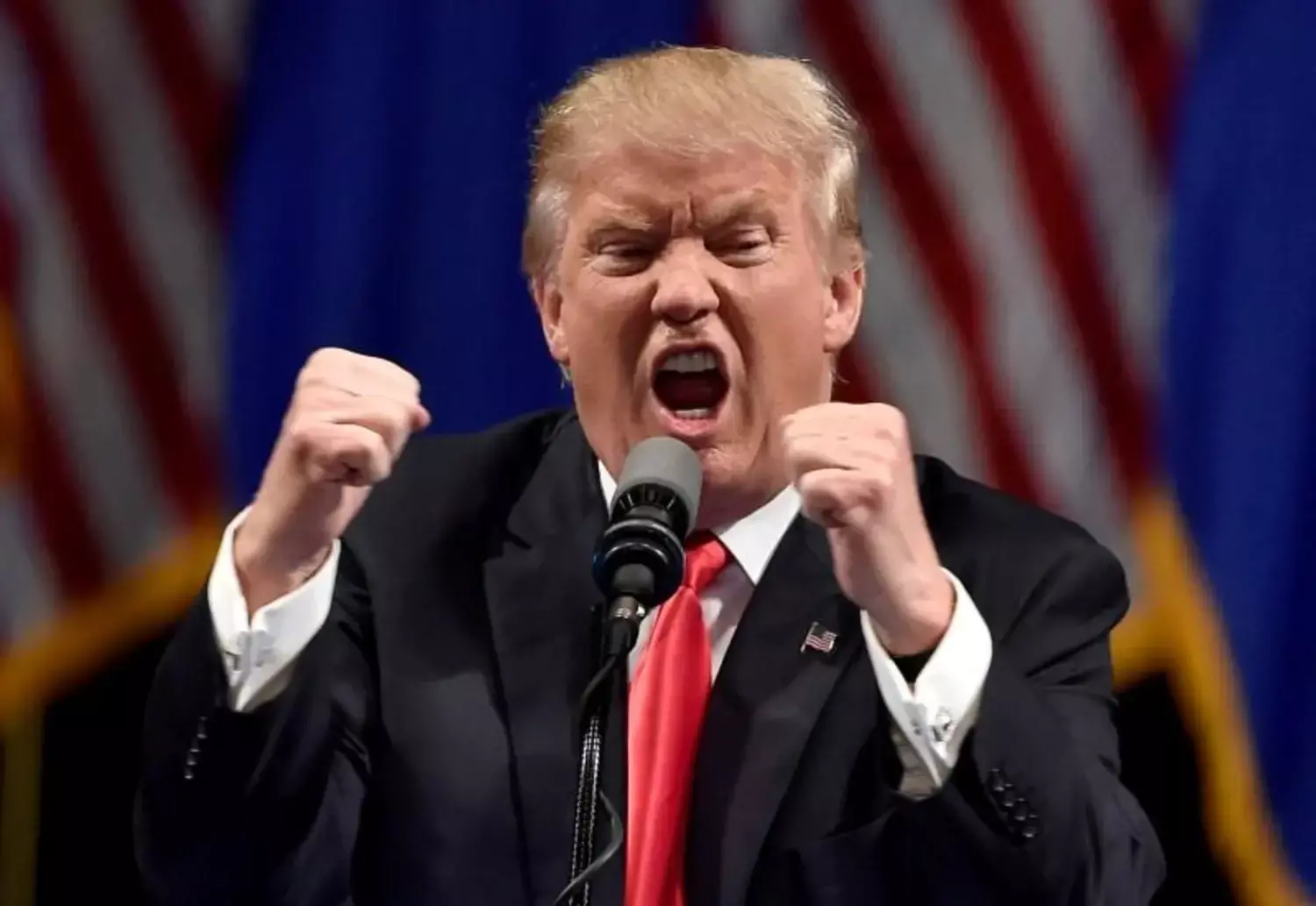
The idea of the United States slapping a 500 per cent tariff on Indian goods sounds extreme. But it is no longer just a theoretical threat. After US President Donald Trump approved a sweeping bipartisan sanctions bill targeting Russia, questions are growing over whether countries like India could soon face unprecedented trade penalties for continuing to buy Russian oil.
The proposed legislation aims to choke Russia’s war economy amid the ongoing Ukraine conflict. However, its secondary impact could be severe for nations that have refused to fully sever energy ties with Moscow, including India.
What the Russia sanctions bill proposes
Officially called the Sanctioning Russia Act of 2025, the bill has been introduced by Republican Senator Lindsey Graham and Democratic Senator Richard Blumenthal. It gives the US president wide-ranging powers to impose secondary sanctions and punitive tariffs on countries that continue trading in Russian oil, gas, uranium and related products.
The bill’s language is unusually blunt. It mandates that the US president raise import duties to at least 500 per cent on goods and services coming from countries that “knowingly engage” in the trade of Russian-origin petroleum or uranium.
Beyond tariffs, the legislation also allows for visa bans, asset freezes and property-blocking sanctions on Russian financial institutions and senior officials if Moscow refuses peace talks or escalates the war in Ukraine.
Trump’s backing and what happens next
Senator Graham said he met Trump earlier this week and received the president’s approval for the bill. A Senate vote could come as early as next week, although procedural hurdles remain.
Crucially, the bill does not trigger tariffs automatically. It gives the president discretion over whether, when and how to impose them. That means the 500 per cent tariff is a threat, not a certainty — but one now firmly anchored in proposed US law.
Why India is being targeted
India, along with China, has emerged as one of the largest buyers of discounted Russian crude since Western sanctions were imposed. Graham has made it clear that the bill is meant to pressure these countries.
“This bill will allow President Trump to punish countries that buy cheap Russian oil fueling Putin’s war machine,” Graham said, specifically naming India, China and Brazil.
India has already felt the heat. In 2025, Trump imposed an additional 25 per cent tariff linked to India’s Russian oil purchases, taking total US duties on some Indian goods to 50 per cent. A jump to 500 per cent would severely hurt Indian exporters, particularly labour-intensive sectors.
Will the US actually impose such a tariff?
Despite the tough rhetoric, several factors suggest the measure may be used more as leverage than an immediate weapon. The Trump administration is simultaneously pursuing peace talks with Russia, with senior envoys leading negotiations. The threat of extreme tariffs could be part of that pressure strategy.
There is also a clear inconsistency in Washington’s position. While India is being warned, the European Union continues to import large volumes of Russian LNG, generating billions of euros for Moscow. This weakens the moral argument behind US pressure on New Delhi.
Trump himself has hinted at selective use of tariffs. On January 4, he praised Prime Minister Narendra Modi while warning that tariffs could be raised “very quickly” if India did not adjust its trade behaviour — suggesting negotiation, not immediate punishment.
The likely outcome
For now, a 500 per cent tariff remains unlikely but possible. Its inclusion in US law would mark a sharp escalation in economic pressure, even if it is never fully enforced.
For India, the challenge lies in balancing energy security, strategic autonomy and trade relations with the US at a time when Washington’s foreign policy is becoming more transactional — and more willing to use tariffs as a geopolitical weapon.





