

Why US media held back reporting Trump’s Venezuela raid
image for illustrative purpose
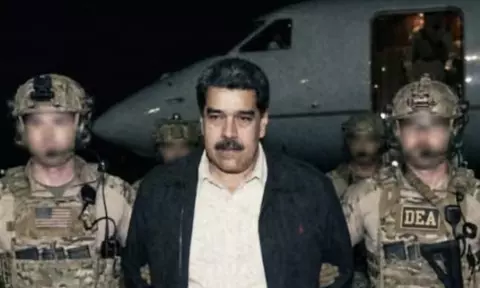
Several leading US news organisations were aware of an American military operation in Venezuela before it took place but delayed reporting on it after government officials warned that early disclosure could put US troops at risk, according to a report by Semafor.
The New York Times and The Washington Post learned of the operation shortly before it was launched on Friday night, the report said, citing people familiar with the discussions. Despite having confirmed information, both publications chose to withhold reporting for several hours following consultations with the US administration.
Semafor noted that the decision reflects a longstanding tradition within American journalism to exercise restraint on matters involving sensitive or covert military operations, even at a time when relations between the White House and major media outlets remain strained.
The United States does not have a formal legal mechanism allowing the government to block publication of sensitive information. Instead, the choice to delay reporting rests entirely with news organisations. In this case, officials warned that premature disclosure could jeopardise the safety of American forces involved in the raid.
The report described the episode as a rare example of behind-the-scenes coordination between the government and the media on high-stakes national security matters. It added that Defence Secretary Pete Hegseth did not publicly acknowledge that editorial decisions by newsrooms contributed to maintaining secrecy around the operation.
Semafor also cited historical precedents to underline the pattern of media restraint. These include The New York Times withholding information ahead of the Bay of Pigs invasion, delaying publication of reports on warrantless wiretapping during the George W. Bush administration, and more recently, holding back coverage of negotiations for a prisoner exchange with Russia involving Wall Street Journal reporter Evan Gershkovich.
The revelations follow the capture of Venezuelan President Nicolas Maduro during the US military operation in Caracas over the weekend. Maduro was scheduled to appear before a federal judge in New York on Monday.
US President Donald Trump publicly defended the raid and suggested that further action could follow. Speaking aboard Air Force One, Trump said the United States was “taking back what they stole” and warned of additional strikes if Venezuela failed to cooperate with Washington’s demands, including opening up its oil sector and intensifying efforts to combat drug trafficking.
Maduro faces charges of narco-terrorism conspiracy, with US prosecutors alleging that he supported major drug trafficking organisations and used state institutions to facilitate cocaine shipments. The charges, first filed in 2020, were updated on Saturday to also include his wife, Cilia Flores.





