

US Military Strikes Suspected Drug-Smuggling Boat in Pacific, 4 Dead
US military kills 4 in controversial strike on suspected drug-smuggling vessel in the Eastern Pacific, raising legal and ethical questions.
US Military Strikes Suspected Drug-Smuggling Boat in Pacific, 4 Dead
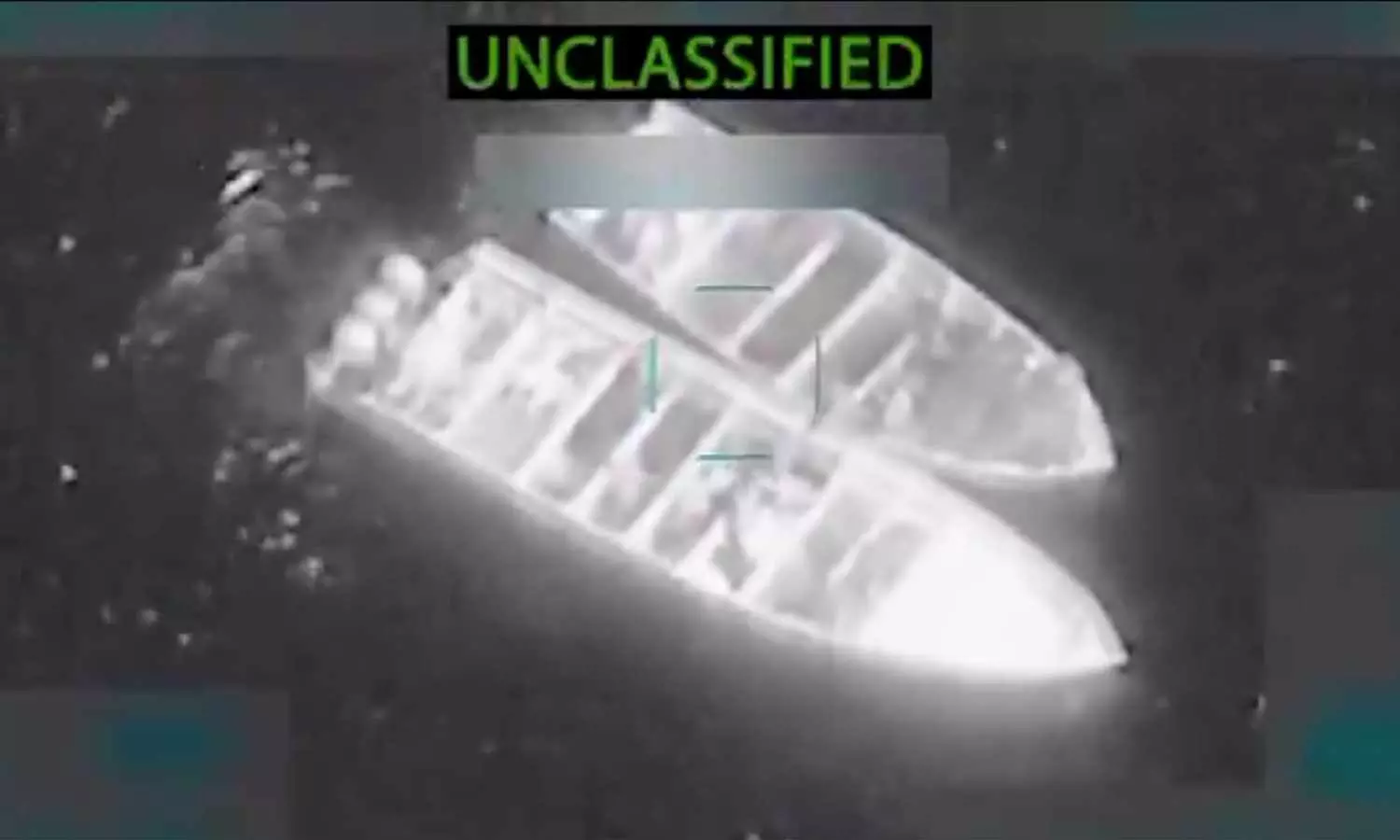
The US military made an announcement Thursday that a strike in international waters carried out in the Eastern Pacific region killed four men who were suspected to be drug traffickers aboard a vessel—this being the part of the Trump administration's anti-drug war against the narco-terrorism they alleged. The Southern Command verified that the intelligence reports had accurately pointed out the boat to be of illegitimate narcotics distribution through the route of normal trafficking.
“On December 4, following the orders of Secretary of War Pete Hegseth, the Joint Task Force Southern Spear executed a strike that was lethal on a vessel that was being operated by a Designated Terrorist Organization,” the Southern Command statement that was posted on X read. “Four male members of the narco-terrorist group that were present on the vessel were killed.”
The offensive is the 22nd move made by the US military in the Caribbean Sea and Eastern Pacific against boats suspected of carrying drugs. A video that accompanied the announcement shows a small boat moving over the water and after that, it explodes with a huge blast which results in the smoke and flames being scattered all over the sea.
The strike came at the same time as U. S. Capitol classified briefings, where Adm. Frank “Mitch” Bradley testified to lawmakers who were probing the first strike in the campaign that was executed on Sept. 2. Reports indicate that Bradley commanded a follow-up strike that killed the survivors of the incident, being the case of Hegseth the Secretary of Defense who allegedly gave the order.
Bradley affirmed the legislators that there was no “order to kill them all” from Hegseth; nevertheless, the video documentation of the assaults posed major legal and moral concerns. Military law professionals have remarked that the elimination of survivors in these types of operations may lead to the violation of International laws of warfare.
Views among the legislators toward the imagery were extremely diverse. Republican Senator Tom Cotton claimed that he perceived the survivors “trying to flip a boat loaded with drugs for the United States back over so that they could stay in the fight” while they were fighting the U. S.
On the other hand, the Democratic lawmakers had a rather strong concern. The Connecticut Representative Jim Himes who is also the leading Democrat on the House Intelligence Committee described the situation as “one of the most disturbing things I have encountered during my public service,” pointing out that the men “were executed by the United States” while still hanging onto the wreckage of their overturned boat. U. S. Rep. Adam Smith from Washington remarked that the two survivors were “topless, holding on to the front of the non-functioning ship—until the rockets came and took them.”
The matter has resulted in the Trump administration's anti-drug militarization policy being put under the microscope and has drawn attention to the legality, supervision, and human casualties involved in these interventions.





