

US, Israel launch major strikes on Iran as conflict escalates across Middle East
US, Israel launch major strikes on Iran as conflict escalates across Middle East
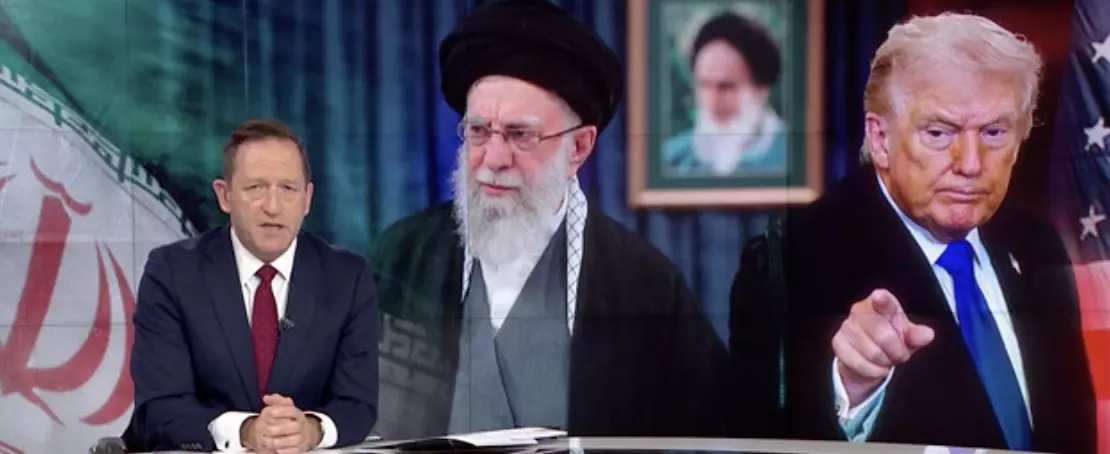
The United States and Israel have launched coordinated military strikes on Iran, sharply escalating tensions in the Middle East. President Donald Trump announced the start of “major combat operations,” prompting Iranian retaliation against Israeli territory and US-linked assets across the region. The fast-moving conflict has drawn global reactions, exposed divisions among European leaders, and raised fears of a wider regional war.
The United States and Israel have entered a new phase of direct military confrontation with Iran after US President Donald Trump announced that Washington had begun “major combat operations” against the country. The announcement followed confirmed Israeli missile strikes on Iranian targets, including in Tehran, Kabul? (no) correction → Tehran, Kandahar not relevant; for Iran: Tehran, Shiraz, Kermanshah, Minab, Jask and other strategic locations.
Iran swiftly retaliated, launching missiles toward Israel and targeting US assets and allied interests across multiple Middle Eastern countries, including Qatar, the UAE, Kuwait, Bahrain, Saudi Arabia, Iraq, Syria and Jordan. Air raid sirens sounded across Israel as the Israeli military said it was intercepting incoming missiles and striking Iranian defence systems.
According to Iranian state and semi-official media, the attacks have caused heavy civilian casualties. In southern Hormozgan province, at least 70 people were reported killed and more than 90 wounded in strikes on Minab and Jask. One strike reportedly hit an elementary girls’ school, killing more than 50 people, though casualty figures have not been independently verified.
Iran’s Foreign Minister Abbas Araghchi told NBC News that Supreme Leader Ayatollah Ali Khamenei was alive “as far as I know,” dismissing Trump’s calls for regime change as “mission impossible.” Araghchi said Iran remained open to a deal guaranteeing its nuclear programme is peaceful but insisted that attacks must stop before any dialogue could resume.
Trump, in brief remarks to The Washington Post, said, “I want a safe nation, and that’s what we’re going to have. All I want is freedom for the people.” Earlier, in a video posted on Truth Social, he urged Iranians to rise against their government, calling the moment a rare opportunity for change.
The escalation has triggered mixed international reactions. NATO said it was “closely following” developments in Iran and the region. China called for an immediate ceasefire, urging respect for Iran’s sovereignty and territorial integrity. Within Europe, divisions have emerged: Germany, France and the UK said they did not participate in the strikes but remained in close contact with partners, while Spain’s prime minister condemned the actions of the US, Israel and Iran alike.
In the US, opposition to the conflict has also surfaced. Republican lawmaker Thomas Massie said he was “opposed to this war” and called for a congressional vote, arguing that the Constitution requires lawmakers to formally authorise military action.
As air strikes, missile launches and diplomatic fallout continue, fears are mounting that the conflict could spiral into a prolonged and wider regional war, with severe humanitarian and geopolitical consequences.





