

The Comeback of the Cosy Night In Across the UK
How rising living costs, digital entertainment and changing lifestyles are reshaping Britain’s nightlife
image for illustrative purpose
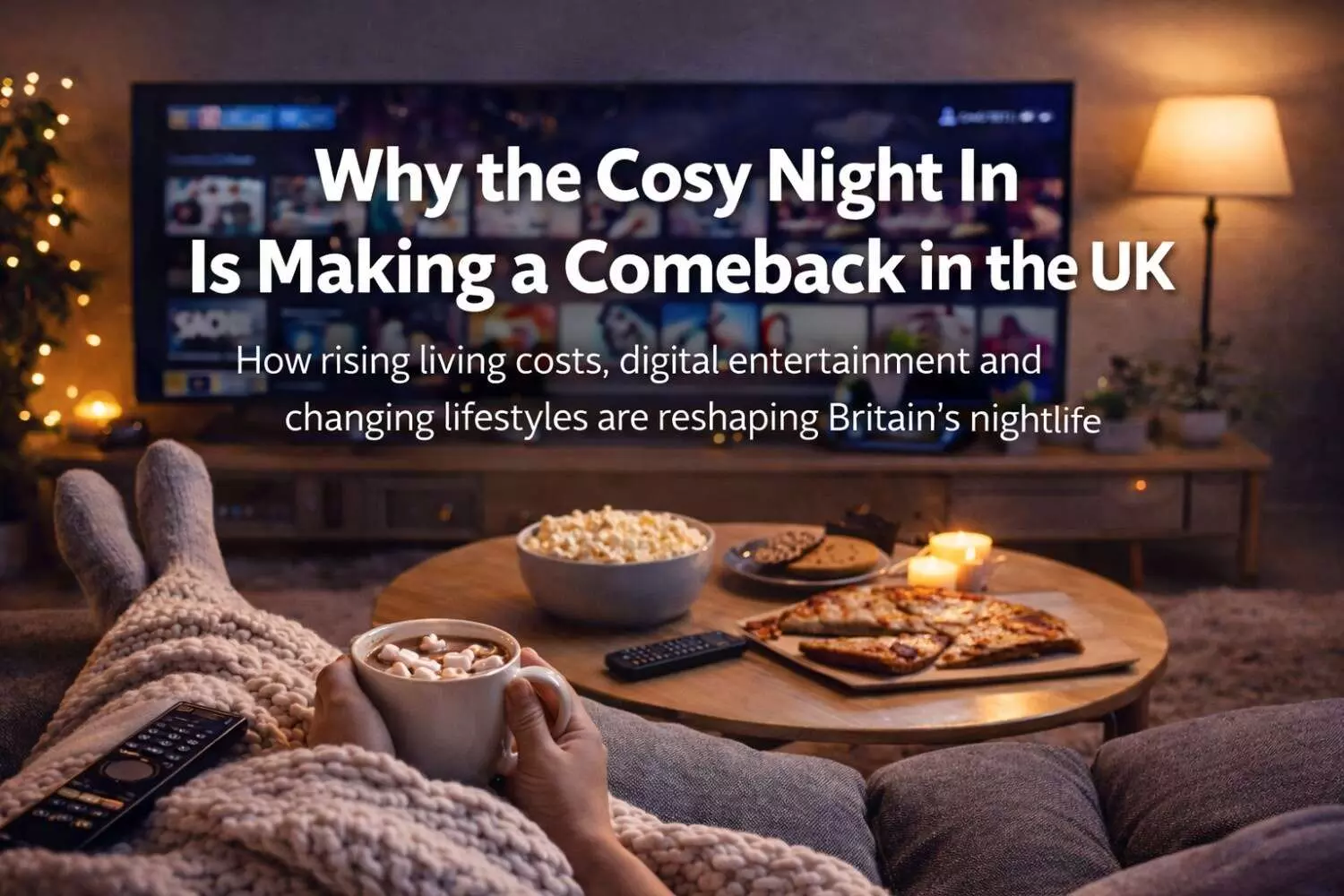
The cosy night in is making a comeback in the UK. The late-night economy sector has contracted by more than a quarter since 2020, for the simple reason that many of us now prefer to stay indoors, instead.
Why nights in are making a resurgence
It’s worth asking why this is. In truth, there may be several reasons. The abundance of digital entertainment options makes it easier than ever to find something to do, even if you’re not going out. We can also order food from an unprecedented range of vendors, thanks to modern delivery services like Uber Eats.
Undoubtedly, the most salient factor, however, is the cost of living. Wage growth has been sluggish, in recent years – and staying in allows us to keep more of our income. One study found that the average Brit saves around £130.74 per month by staying in. This adds up to around £86 billion a year.
The role of seasons, comfort, and well-being
When the evenings begin to draw in earlier and freezing temperatures begin to bite, we have a natural tendency to seek shelter and respite, with the help of a warm blanket and a hot drink. The Nordic phenomenon of ‘hygge’ has well and truly established itself in British culture, and millions of us are convinced of the healing power of a good night in.
What a modern “cosy night in” looks like
If you’re looking to throw together a cosy night in, you’ll want to think about your preferences when it comes to activities, food, and furniture. A plush gaming chair, a blanket, and a round or two of digital bingo might be immensely therapeutic for some. Others might prefer the company of a good novel, or a board game shared between close friends.
Implications for society, home life and industries
The hospitality industry is in dire straits in the UK, thanks to a combination of economic pressures. Our growing habit of staying in is surely an unwelcome development from the point of view of the nation’s restaurateurs. If you’re a vendor of blankets, hot chocolate, or home furnishings, then you might take the opposite view.
Adults in the UK spent an average of 3 hours 44 minutes per day on entertainment and socialising in March 2023. This was a decline from 4 hours and 30 minutes in March 2020. If this downward trend persists, then the implications for the way that we spend our time at home could be considerable!





