

Saudi Arabia Quietly Opens Alcohol Sales to Wealthy Foreigners Amid Policy Shift
Saudi Arabia quietly opens a restricted alcohol store for wealthy non-Muslim foreigners, signaling a cautious but notable shift in its long-standing alcohol ban.
A discreet liquor store in Riyadh’s Diplomatic Quarter now serves wealthy foreign residents, marking a rare softening of Saudi Arabia’s decades-old alcohol ban.
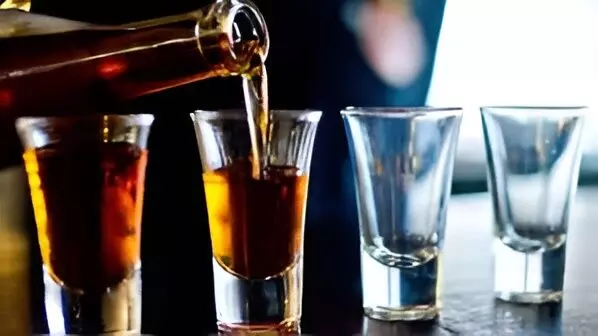
Riyadh: In a major — though unannounced — shift to decades-old restrictions, Saudi Arabia has begun allowing wealthy non-Muslim foreign residents to purchase alcohol at a discreet store in Riyadh. The kingdom, which has enforced a strict alcohol ban for more than 70 years, previously reserved such access exclusively for diplomats.
According to multiple customers interviewed by The New York Times, the unmarked liquor outlet in the Diplomatic Quarter is now selling whiskey, wine, and other spirits to holders of the expensive “premium residency” permit — a status typically granted to affluent or highly skilled expatriates working in key sectors.
Shoppers report stringent entry checks, dual pricing for diplomats and premium residents, and monthly purchase limits linked to government-issued ID numbers. A mobile app created by the tax and customs authority is also used to regulate entry, suggesting formal oversight despite the absence of any official policy announcement.
The quiet expansion aligns with Crown Prince Mohammed bin Salman’s broader push to modernize Saudi society and attract global talent — even as authorities maintain public ambiguity to avoid conservative backlash. This silent approach mirrors earlier reforms, such as relaxed rules on prayer-time closures and eased gender segregation, which were introduced gradually without formal statements.
Alcohol remains illegal for Muslims, and the government has not clarified whether consumption by eligible residents is permitted outside private settings. However, the reopening of controlled liquor access follows years of black-market activity and the end of embassies’ unrestricted import privileges in 2024.
Experts say the change may be driven by economic pressures, the need to appeal to foreign professionals, and preparations for global events like the 2034 FIFA World Cup. Meanwhile, local media and religious authorities have stayed silent, reflecting a climate where dissent is muted amid ongoing political crackdowns.
As Saudi Arabia navigates the balance between tradition and transformation, alcohol access — once unthinkable — is becoming another sign of the kingdom’s cautious but unmistakable social evolution.





