

Refugees in limbo: With repeated interviews asylum seekers living in fear and uncertainty in the US
Refugees in limbo: With repeated interviews asylum seekers living in fear and uncertainty in the US
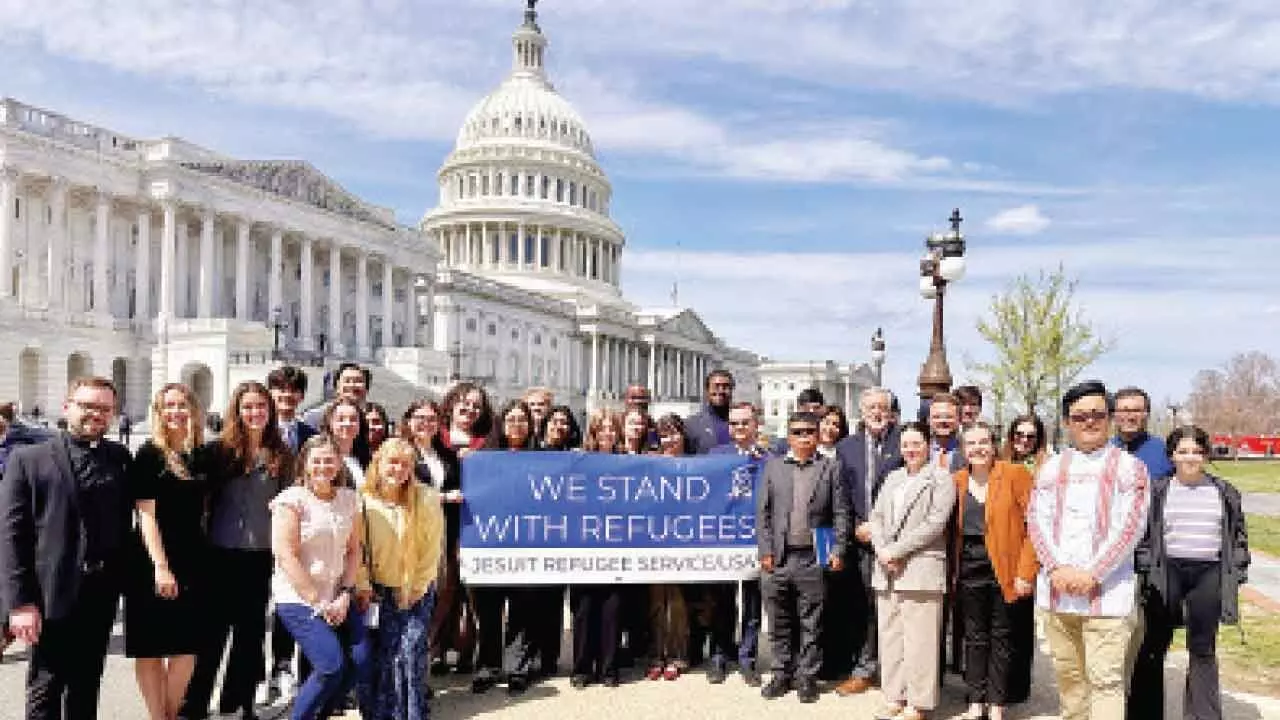
Their family spent years opposing Venezuela's socialist system. The government retaliated by sending men to beat the father, a state oil company worker whom it accused of being uncooperative. Other relatives were threatened.
The situation became so untenable that the family fled the country for the United States in 2021 after it obtained refugee status, according to one of the daughters, a 24-year-old clothing salesperson.
The six siblings and their parents settled in Minnesota in 2023, living peaceful lives until the Trump administration said it was casting new scrutiny on refugees.
One priority is those admitted to the U.S. under former President Joe Biden, whom the government accuses of prioritizing quantity over detailed screening and vetting, with an initial focus on 5,600 refugees who settled in Minnesota and are not yet permanent residents, making them particularly vulnerable.
Last month, three masked officers got out of a black SUV with tinted windows outside a St. Paul apartment complex, handcuffed the Venezuelan woman and her mother and told them their legal status was under review, according to the woman, who asked for anonymity for fear of retaliation.
Overturning years of precedent, immigration authorities have arrested or questioned dozens of refugees in Minnesota, attorneys and advocates say, with more detentions likely to come nationwide.
In January, a federal judge ordered a temporary halt to the arrest and detention of refugees in Minnesota while a lawsuit challenging the “revetting” continues. The judge ordered the immediate release of all refugees detained in Minnesota, and those taken to Texas.
Three refugees said that whatever happens, the rounds of inconclusive interviews with immigration authorities well after they thought their status was safe has them questioning their futures in the U.S. and living in constant fear.
The young woman from Venezuela hasn't returned to her job at a clothing factory. A man who fled persecution in Myanmar won't walk on the streets of Minneapolis without a letter from his church appealing for immigrants to “be treated humanely.”
A Congolese refugee arrested in St. Paul despite her refugee status says “everything that's happened feels like a movie.”
A change in US treatment of refugees
Welcoming refugees has been a source of bipartisan agreement in the U.S. since Congress passed the Refugee Act with overwhelming support in 1980.
The act helped make refugee applications some of the immigration system's most heavily scrutinized. Government decisions that someone was persecuted for who they are or what they believe are rarely second-guessed, and revisiting refugee status that's already been granted is a major blow to legal tradition, advocates say.
“They've been heavily vetted and were admitted by the government with approval,” said Beth Oppenheim, chief executive officer of HIAS, a major refugee aid group.
Once a refugee is admitted to the U.S. through the resettlement program, the only way to strip them of their status is to prove that they should never have been admitted, Oppenheim said. That is why the Trump administration is interviewing people again, she said.
Matthew Tragesser, a spokesman for U.S. Citizenship and Immigration Services, said in a written statement refugees “are required to be subject to a full inspection after a year within the United States.”
“This is not novel or discretionary; it is a clear requirement in law,” he wrote.
While it is correct that refugees must apply for green cards one year after admission — a change of status that brings a renewed layer of scrutiny — the administration is breaking with decades of tradition by revisiting initial decisions to admit people as refugees, and then detaining them while they are under review.
“Arresting, detaining, and rescreening refugees are all new changes which will inflict grave harm on vulnerable populations,” said Smita Dazzo, deputy director of U.S. programs at HIAS.
Venezuela to Minnesota to Houston and back
In January, U.S. Immigration and Customs Enforcement took the Venezuelan women to Houston on a flight where migrants were shackled at the wrists and ankles and forbidden from talking.
The daughter said she was told she was there for green card interviews and isolated in a cold room with no food, water or anything warm to cover her. She said she refused to sign documents without an attorney present.
“They told us, Your status is worthless. You're illegal,'” she said. “What we went through is something I wouldn't wish on anyone … We were supposed to arrive in this country with refugee status, and we thought we would be protected here. But right now, at this moment, it is quite the opposite.”
The women were released after successfully filing habeas corpus petitions in federal court, part of a flood of last-ditch attempts at freedom under a Trump policy denying bond hearings in immigration court. Friends of their attorney drove them back to Minnesota at their own expense. Since then, the younger woman has been too afraid to leave the house.
The pastor who received a letter and went to the interview
Saw Ba Mya James, a 46-year-old ethnic Karen father of three who fled military persecution in Myanmar, arrived in St. Paul last year after obtaining refugee status with help from a local church.





