

Pakistan–Taliban rift erupts into open conflict after border strikes
Pakistan and the Afghan Taliban, once allies, face open conflict as border attacks and air strikes expose a deep rupture in strategic ties.
Pakistan–Taliban rift erupts into open conflict after border strikes
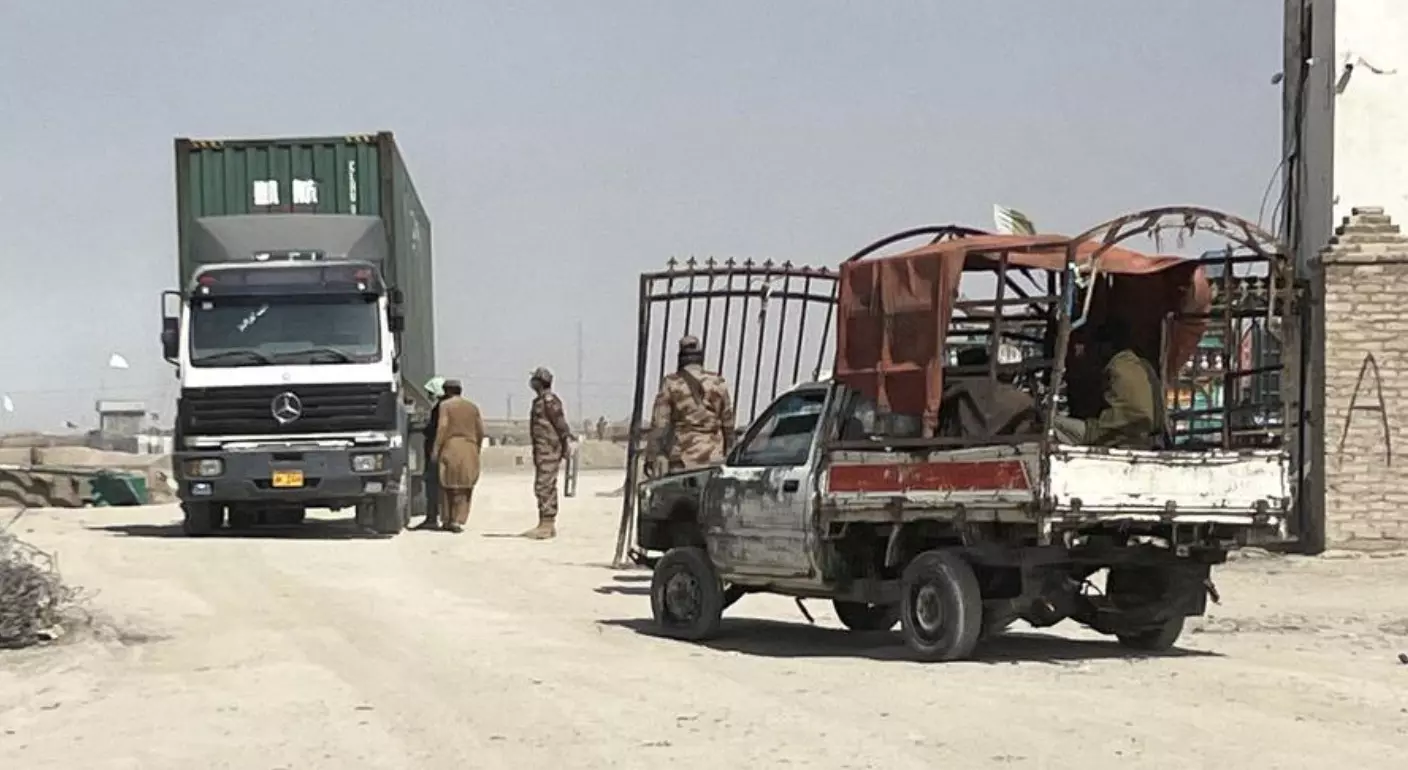
Once bound by strategic interests, Pakistan and the Afghan Taliban are now locked in a sharp military and political confrontation, as cross-border attacks and air strikes push relations to a breaking point.
Pakistan and the Afghan Taliban, long seen as uneasy partners bound by shared tactical interests, have slipped into what officials now describe as an “open war,” marking a dramatic shift in regional geopolitics.
The escalation became explicit on Friday (February 27, 2026) when Pakistan’s Defence Minister Khawaja Asif declared that Islamabad’s “patience has run out.” His statement followed Pakistani air strikes on Kabul, Kandahar and Afghanistan’s eastern border province of Paktia. The strikes came hours after Afghan forces reportedly attacked Pakistani border posts, triggering a rapid spiral of retaliation.
Islamabad said its military actions were a response to recent militant attacks inside Pakistan, which it claims were launched from Afghan territory. Kabul, however, has rejected the accusations and condemned the air strikes as violations of Afghan sovereignty. The exchange of blame has further deepened mistrust between the two neighbours.
The confrontation underscores how dramatically relations have deteriorated since the Taliban’s return to power. For years, Pakistan was widely seen as the Taliban’s most important external supporter. The group’s senior leadership operated from Pakistani cities such as Quetta during the insurgency against U.S. forces and the former Afghan government. Islamabad believed that a Taliban-led Afghanistan would provide “strategic depth” and curb hostile influences in the region.
Instead, the Taliban’s rise has reshaped regional dynamics in ways Pakistan did not anticipate. Kabul has shown increasing independence from Islamabad, while Pakistan has accused the Taliban of failing to rein in militant groups targeting Pakistani territory. Border skirmishes, diplomatic tensions and mutual recriminations have become frequent.
Four years after the Taliban established the Islamic Emirate in Kabul, the relationship has shifted from covert cooperation to overt confrontation. With military strikes now crossing borders and rhetoric hardening on both sides, the former allies appear entrenched in a volatile standoff — one that threatens broader instability in South and Central Asia.





