

New Strait of Hormuz Fee Threatens Global Energy Stability
Iran's toll fee on oil shipments through the Strait of Hormuz may disrupt global trade, raise oil prices, and escalate tensions between Iran and the US.
Iran started a $1 per barrel fee for oil tankers in the Strait of Hormuz, fueling anxiety around the world over rising oil prices and escalating US-Iran war.
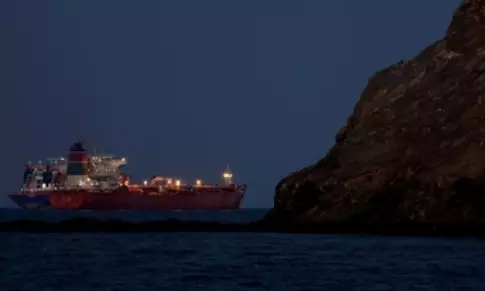
The global energy market is facing a new challenge as Iran announces a significant policy shift in one of the world's busiest waterways. Tehran has decided to implement an Iranian toll fee for ships carrying oil through its waters. It means that for every onboarded oil barrel, companies must pay a $1 charge.
According to Iran, this Strait of Hormuz Iran toll is meant to manage maritime security; however, this move carries a heavy political weight and could change how oil is traded globally.
Strait of Hormuz plays a vital role in the world economy. Millions of oil barrels pass through this narrow passage every day and connect with Middle Eastern producers to markets in Asia, Europe, and North America.
Countries are showing concerns over logistical delays due to this new barrel fee. According to the experts, oil companies will take some time to understand these new financial requirements and paperwork. This may cause oil tankers to be stuck in the Strait of Hormuz. Such bottlenecks could lead to a sudden hike in energy prices and affect the cost of living for people everywhere.
This new development is not only impacting the world economy but also intensifying long-standing friction in the Iran Hormuz Strait. According to the experts, Washington views this move as a challenge that threatens the freedom of navigation.
There’s a possibility that this move could ignite a full-scale US-Iran war. Since the Strait of Hormuz is vital for international trade, any disruption is perceived as a threat to global stability. While shipping companies adjust to these new costs, the world remains on high alert and watching how this bold strategy will unfold.





